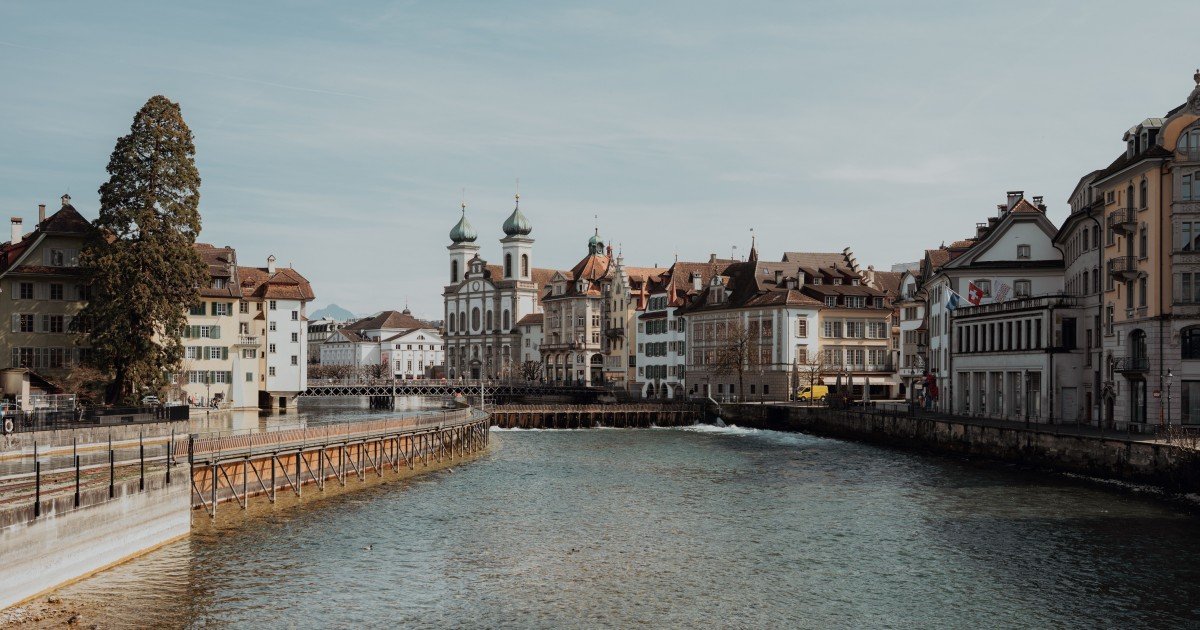
Lucerne, Switzerland is the kind of destination that can make a short city break feel surprisingly complete. In one day, you can walk across a centuries-old wooden bridge, wander through a beautifully preserved Old Town, sit beside Lake Lucerne and watch the mountains change colour in the distance. Stay a little longer and the city becomes a gateway to Mount Pilatus, Mount Rigi and a wide range of Alpine experiences. Lucerne sits in central Switzerland, surrounded by lake and mountains, which is precisely what makes it so appealing to first-time visitors and experienced travellers alike.
The best way to experience Lucerne is not to rush from one attraction to another. Its charm comes from the spaces between the famous sights: a quiet lane in the Old Town, a lakeside bench, a small square filled with painted buildings, or a boat slowly crossing the water while the Alps rise behind it.
Whether you are planning a weekend in Switzerland, a family holiday, a romantic escape or a longer Alpine journey, this Lucerne travel guide will help you understand what to see, what to do and how to plan your time wisely.
Why Visit Lucerne, Switzerland?
Lucerne brings together several sides of Switzerland in one compact destination.
There is history in its medieval streets, culture in its museums and concert venues, nature around Lake Lucerne, and adventure in the surrounding mountains. The official tourism organisation describes the area as a place where city, lake and mountains meet, and that combination is easy to appreciate once you arrive.
Another advantage is the city’s walkability. Many of the most important attractions are close enough to explore on foot, making Lucerne particularly enjoyable for travellers who prefer discovering a destination at their own pace.
The city also works well as a base for day trips. You can spend a morning exploring the historic centre and an afternoon heading into the mountains without constantly changing hotels.
Lucerne is especially worth considering if you want:
- Historic Swiss architecture
- Alpine scenery without staying in a remote mountain village
- Easy lake and mountain excursions
- Museums and cultural attractions
- Romantic walks and scenic viewpoints
- Family-friendly activities
- A convenient stop during a Switzerland itinerary
- A destination that works in different seasons
The result is a city that feels lively without being overwhelming.
Best Places to Visit in Lucerne
Chapel Bridge and Water Tower
The Chapel Bridge, or Kapellbrücke, is the image most people associate with Lucerne.
This historic wooden bridge crosses the Reuss River and is one of the city’s defining landmarks. At around 204 metres long, it connects the Old Town area with the opposite bank and contains historic painted panels beneath its roof.
Take your time when crossing it rather than treating it simply as a photo stop. Look toward the river, notice the old buildings along the waterfront and pause in the middle for one of the classic Lucerne views.
Beside the bridge stands the Water Tower, another instantly recognisable part of the city’s historic skyline.
Early morning is particularly pleasant if you want a quieter atmosphere. Later in the day, the bridge becomes much busier.
Lucerne Old Town
The Old Town is where Lucerne’s personality becomes most obvious.
Narrow streets open into attractive squares surrounded by historic buildings with colourful façades, painted details and traditional architectural features. You can spend an hour here or half a day without following a strict sightseeing plan.
Instead of simply searching for famous landmarks, walk slowly through the smaller streets. Explore the squares, look upward at the building façades and stop at a café when you feel like it.
The Old Town is also an excellent area for an evening stroll because the atmosphere changes after many day visitors have moved on.
Lion Monument
The Lion Monument is one of Lucerne’s most memorable historical landmarks.
Carved into a rock face, the monument depicts a dying lion and commemorates Swiss Guards who were killed during the French Revolution in 1792.
Its setting is relatively quiet compared with the busy centre, so it is worth allowing yourself a few minutes to take in the monument rather than arriving, taking a photograph and immediately leaving.
The Lion Monument is also an easy addition to a walking route that includes the Old Town and Musegg area.
Musegg Wall
For another glimpse into Lucerne’s medieval past, head toward the Musegg Wall.
The historic fortification and its towers overlook the city and provide a different perspective on Lucerne’s development. The city’s tourism authority lists the Musegg Wall among its major attractions alongside the Chapel Bridge, Lion Monument, Jesuit Church and other landmarks.
If you enjoy history, architecture and viewpoints, this area deserves more attention than a quick photo stop.
Check seasonal opening arrangements before planning your visit to individual towers, as access can vary.
Jesuit Church
The Jesuit Church stands beside the Reuss River and provides a striking contrast to Lucerne’s medieval architecture.
Its ornate interior makes it particularly interesting for visitors who appreciate European religious architecture. It is located close to the Old Town and can easily be included in a walking itinerary.
You do not need to spend a long time here. Even a short visit adds another layer to your understanding of the city’s cultural heritage.
Church of St. Leodegar
The Church of St. Leodegar, often called Hofkirche, is another important landmark in Lucerne.
Its twin towers are a distinctive part of the city skyline, and the church is regarded as one of Switzerland’s important Renaissance churches.
Its location also makes it a natural stop when exploring the lakeside and central Lucerne.
KKL Lucerne
Lucerne is not only about old buildings.
The KKL Luzern, or Culture and Convention Centre, represents the city’s modern cultural side. Its contemporary architecture sits close to the railway station and waterfront, making the building itself worth seeing even if you are not attending an event.
Music lovers should also keep an eye on Lucerne’s cultural calendar. The city hosts major festivals and concerts throughout the year, including the Lucerne Festival.
Best Things to Do in Lucerne
Take a Lake Lucerne Boat Cruise
If you have time for only one activity beyond walking around the Old Town, consider getting out onto the lake.
Lake Lucerne is surrounded by mountains, villages and changing landscapes, so the perspective from the water is completely different from what you see from the city streets.
Boat trips can be relaxing after a busy morning of sightseeing. Depending on your itinerary, a cruise can also become part of a wider mountain excursion.
One of the smartest approaches is to combine transport modes rather than treating the boat as a separate activity. For example, you can travel across the lake toward a mountain destination and return using another form of transport.
The tourism region specifically highlights boat travel as a way to access the surrounding mountain landscape.
Explore Lucerne on Foot
Walking is one of the simplest and most rewarding things to do in Lucerne.
The city’s major sights are relatively concentrated, and the official tourism information specifically recommends discovering Lucerne by foot.
A relaxed walking route could include:
- Lucerne railway station
- KKL
- Chapel Bridge
- Reuss River waterfront
- Old Town
- Jesuit Church
- Lion Monument
- Musegg Wall
- Lakefront
You can cover the highlights in a few hours, but there is no reason to hurry.
Visit Mount Pilatus
Mount Pilatus is one of the most popular mountain experiences near Lucerne.
The mountain offers panoramic views across the surrounding region and can be reached using a combination of transport options. The Lucerne region is particularly known for easy access to mountain destinations, and Pilatus is one of the headline excursions.
For travellers who enjoy dramatic scenery and a more adventurous outing, Pilatus can easily become the highlight of a Lucerne trip.
A practical tip: check the weather before committing to the excursion. A mountain trip on a clear day can be spectacular, while cloud cover may significantly reduce the views.
Spend a Day on Mount Rigi
Mount Rigi offers a different mountain experience.
Known as the “Queen of the Mountains,” Rigi is another major excursion from the Lucerne area. Switzerland Tourism lists Rigi among the region’s key destinations.
Rigi is a good choice if you want panoramic landscapes but also enjoy a slower pace. Hiking routes, mountain transport and viewpoints make it possible to build the day around your preferred level of activity.
The combination of boat and mountain railway can also turn the journey itself into part of the experience.
Visit the Swiss Museum of Transport
Travelling with children? Or simply fascinated by cars, trains, aircraft and technology?
The Swiss Museum of Transport is one of Lucerne’s major attractions. It offers an interactive look at transportation and technological development and can be an excellent alternative when the weather is not cooperating.
Lucerne’s tourism organisation specifically includes the museum among the city’s major attractions and highlights the variety of activities available even during poor weather.
Enjoy Lucerne’s Food Scene
Swiss food deserves a place in your itinerary.
Try traditional dishes such as rösti, cheese-based specialities and regional desserts. Chocolate is an obvious temptation, but do not overlook local bakeries and cafés.
You do not necessarily need to book an elaborate restaurant for every meal. A relaxed lunch followed by coffee and something sweet can fit the character of Lucerne perfectly.
For travellers on a tighter budget, supermarkets, bakeries and casual restaurants can help control costs while still allowing you to experience local flavours.
How Many Days Do You Need in Lucerne?
One Day in Lucerne
One day is enough for the major city highlights.
Start early with Chapel Bridge and the Old Town. Continue toward the Jesuit Church and Lion Monument, then explore the Musegg area if time allows.
Spend the afternoon beside Lake Lucerne or take a short boat ride.
This itinerary is fast-paced but realistic for travellers passing through Switzerland.
Two Days in Lucerne
Two days is a much better option.
On day one, focus on the historic city centre.
On day two, dedicate most of the day to Lake Lucerne or a mountain excursion such as Pilatus or Rigi.
This gives you enough time to experience both sides of Lucerne: its historic urban character and its spectacular natural surroundings.
Three Days or More
With three or more days, slow down.
You could dedicate one day to Lucerne itself, another to a mountain excursion and another to Lake Lucerne or a nearby destination.
This is also the best option for travellers who enjoy museums, photography, food, shopping and relaxed walks rather than ticking attractions off a list.
Best Time to Visit Lucerne
Lucerne is a year-round destination, but the experience changes dramatically with the seasons.
Spring
Spring brings milder weather, fresh greenery and a generally pleasant atmosphere for walking.
It can be a good choice if you want to explore the city without making your trip entirely about winter sports or summer activities.
Summer
Summer is ideal for lake cruises, hiking, outdoor dining and mountain excursions.
However, popular attractions can become busy, particularly during peak travel periods. Planning mountain trips around weather conditions is important because visibility can change quickly.
Lucerne’s summer calendar also includes major cultural events. In 2026, for example, Lucerne Festival in Summer is scheduled from August 13 to September 13.
Autumn
Autumn can be particularly beautiful around the lake and mountains.
The changing foliage adds colour to walks and scenic journeys, while cooler temperatures can make sightseeing more comfortable.
Winter
Winter gives Lucerne a completely different personality.
Snow-covered mountains surrounding the city can create beautiful views, while Christmas markets, seasonal events and nearby winter activities add another reason to visit.
If your priority is mountain hiking, summer is generally more suitable. If you enjoy festive city atmosphere and winter scenery, December can be especially appealing.
Getting Around Lucerne
One of Lucerne’s biggest practical advantages is its transport network.
The railway station sits close to the city centre, while buses connect different parts of the city and surrounding areas.
If you are staying overnight in the city, check whether your accommodation provides the Lucerne Visitor Card. Current 2026 information states that eligible overnight guests receive free use of buses and trains within Zone 10, along with discounts on selected mountain railways, museums and excursions. Boat trips are not included in the free public transport benefit.
The Visitor Card is provided to eligible overnight guests rather than being something visitors simply purchase separately. It can be supplied digitally or as a printable version through the accommodation.
Is a Car Necessary in Lucerne?
Usually, no.
For a typical Lucerne holiday, public transport, walking, boats and mountain railways are more convenient than driving.
Parking can add unnecessary expense and complexity, particularly if you are mainly exploring the historic centre.
A car becomes more useful if you are planning a wider road trip through Switzerland and want to visit rural areas that are less directly connected by public transport.
Practical Lucerne Travel Tips for 2026
A little planning can make your trip considerably smoother.
Book strategically rather than booking everything. Popular mountain excursions and accommodation can be busy during peak periods, but you do not need a rigid schedule for every hour.
Check mountain weather before leaving. A beautiful forecast in central Lucerne does not always mean clear conditions at higher elevations.
Start famous attractions early. Chapel Bridge and the Old Town are particularly enjoyable before the busiest part of the day.
Wear comfortable shoes. Lucerne is easy to explore on foot, but you will probably walk more than expected.
Carry a light rain layer. Mountain and lakeside weather can be changeable.
Do not underestimate Swiss prices. Food, accommodation and excursions can be expensive compared with many European destinations. Planning a realistic daily budget is better than trying to improvise everything after arrival.
Use public transport intelligently. The Visitor Card can be useful for eligible overnight guests, particularly when combined with discounts on regional attractions.
Check opening times before visiting museums and historic sites. Seasonal schedules can change.
For up-to-date local information, the official Tourist Information office is located at Lucerne railway station on platform 3 and provides information about excursions, city tours, transport, cruises and mountain railways.
A Simple 2-Day Lucerne Itinerary
If you are visiting Lucerne for the first time, this balanced plan works well.
Day 1: Historic Lucerne
Morning: Start at Chapel Bridge and walk along the Reuss River.
Late morning: Explore the Old Town and its historic squares.
Lunch: Choose a local restaurant, bakery or casual café.
Afternoon: Visit the Jesuit Church, Lion Monument and Musegg area.
Evening: Walk beside Lake Lucerne and enjoy dinner in or near the Old Town.
The key is not to rush. The historic centre is compact enough that you can leave room for spontaneous discoveries.
Day 2: Lake and Mountains
Choose either Mount Pilatus or Mount Rigi depending on weather, transport preferences and the type of experience you want.
Alternatively, spend the day on Lake Lucerne with a boat trip and explore one of the lakeside destinations.
Return to Lucerne in the evening and enjoy a quieter walk through the Old Town.
This two-day structure gives you the contrast that makes the destination special: historic city in one part of the trip, Alpine landscape in the other.
Is Lucerne Good for Families, Couples and Solo Travellers?
For Families
Lucerne offers a strong mix of interactive museums, boat trips, mountain excursions and walkable attractions.
The Swiss Museum of Transport can be especially appealing to children, while lake and mountain journeys turn ordinary travel into an activity.
For Couples
Lucerne is naturally suited to romantic travel.
A lakeside walk at sunset, dinner overlooking the water, a mountain excursion or a quiet boat journey can create memorable experiences without requiring an elaborate itinerary.
For Solo Travellers
The compact centre and convenient transport network make Lucerne relatively straightforward to explore independently.
Walking tours, museums, cafés and mountain excursions provide plenty of options even if you are travelling without companions.
What Makes Lucerne Different From Other Swiss Destinations?
Switzerland has no shortage of beautiful destinations, so why choose Lucerne?
The answer is variety.
Some Swiss destinations are primarily known for mountains. Others are famous for lakes, luxury, skiing or historic architecture.
Lucerne combines several of these experiences within easy reach.
You can have breakfast in a historic city centre, take a boat across the lake, ride into the mountains and return for an evening walk through medieval streets.
That combination makes Lucerne particularly useful for travellers who want to experience several sides of Switzerland without constantly moving between destinations.
It is also a good introduction to the country for first-time visitors because the city provides both classic Swiss scenery and practical urban infrastructure.
Frequently Asked Questions
What is Lucerne best known for?
Lucerne is best known for Chapel Bridge, the historic Old Town, Lake Lucerne, the Lion Monument and its access to surrounding Alpine destinations such as Mount Pilatus and Mount Rigi.
Is Lucerne worth visiting?
Yes. Lucerne is particularly worthwhile if you want to combine historic sights, lake scenery, mountain excursions and cultural experiences in one destination.
How many days are enough for Lucerne?
Two days is a good starting point for most first-time visitors. One day works for the main city highlights, while three or more days allow time for a mountain excursion, lake activities and a slower pace.
Is Lucerne expensive?
Lucerne follows Switzerland’s generally high travel costs. Accommodation, dining and mountain excursions can add up quickly, so it is sensible to plan your budget in advance.
Can Lucerne be explored without a car?
Yes. The historic centre is highly walkable, and public transport connects the city with surrounding areas. Eligible overnight visitors can also receive free bus and train travel within Zone 10 through the Lucerne Visitor Card.
What is the most beautiful place in Lucerne?
There is no single answer, but Chapel Bridge, the Lake Lucerne waterfront, the Old Town and viewpoints toward the surrounding mountains are among the city’s most scenic areas.
Should I visit Mount Pilatus or Mount Rigi?
Both are excellent choices. Pilatus is attractive for travellers seeking a dramatic mountain experience, while Rigi is a great option for panoramic scenery, hiking and a more leisurely mountain day. Weather and transport conditions should influence the final choice.
Is Lucerne good for a Switzerland honeymoon?
Yes. Its lakefront setting, mountain scenery, historic streets and relaxed evening atmosphere make it well suited to couples looking for a combination of sightseeing and downtime.
What can I do in Lucerne when it rains?
Rain does not have to ruin the trip. Museums, cultural attractions, cafés, shopping, historic churches and indoor experiences such as the Swiss Museum of Transport provide alternatives. Lucerne’s tourism organisation specifically highlights activities available during poor weather.
What should I not miss in Lucerne?
For a first visit, prioritise Chapel Bridge, the Old Town, Lion Monument, Lake Lucerne and at least one mountain or lake excursion if your schedule permits.
Lucerne, Switzerland
Lucerne is more than a pretty Swiss city that can be photographed from a bridge.
Its real appeal lies in how naturally different experiences fit together. Historic streets lead to the lake. The lake leads toward the mountains. Modern cultural venues sit close to centuries-old landmarks. A relaxed city walk can become a full-day Alpine adventure with very little logistical effort.
For a short visit, focus on the Old Town, Chapel Bridge, Lion Monument and lakefront. If you have another day, use it to experience Mount Pilatus, Mount Rigi or the wider Lake Lucerne region.
Most importantly, leave some space in your itinerary.
Lucerne rewards travellers who stop rushing. Sit beside the water. Walk without constantly checking the map. Look at the mountains when the light changes. Step into a quiet street simply because it looks interesting.
That slower approach is often when Lucerne becomes more than another stop on a Switzerland itinerary—and becomes the place you remember most.
Informational Disclaimer: Travel conditions, opening hours, transport schedules, prices, seasonal access and attraction availability can change. Always verify current details before making bookings or final travel arrangements.

Leave a Reply