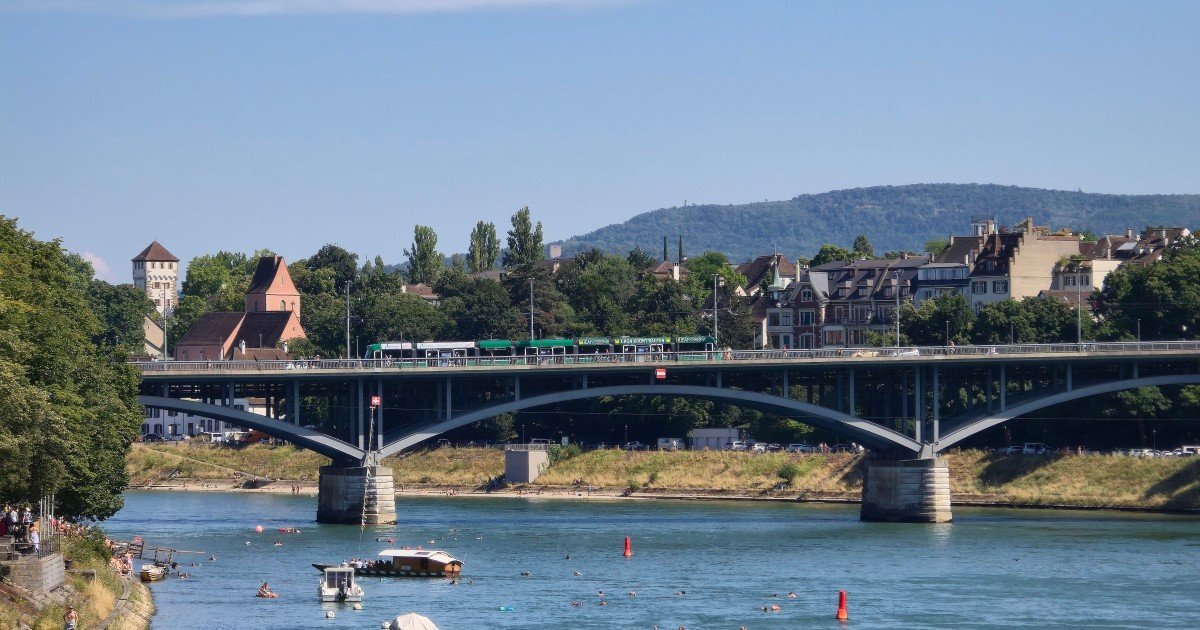
Basel Switzerland is one of those European cities that becomes more interesting the longer you stay. Sitting on the Rhine near the borders of France and Germany, Basel combines medieval streets, world-class art, contemporary architecture, lively markets and a relaxed riverside atmosphere. It is a city where you can spend the morning admiring historic buildings in the Old Town, visit an exceptional museum in the afternoon, and finish the day beside the Rhine with locals enjoying the water.
Basel is sometimes overlooked by travellers heading toward Switzerland’s more famous mountain destinations. That is exactly what makes it appealing.
There are no towering Alpine peaks dominating every view, but Basel offers something different: culture, design, history and an unmistakably international character. Its location at the meeting point of three countries has shaped the city for centuries, and that influence can still be felt in its food, language, architecture and everyday life.
If you are planning a Swiss city break in 2026, Basel deserves serious consideration. This guide covers the best places to visit, things to do, neighbourhoods to explore, practical travel tips, seasonal advice and ideas for building your own itinerary.
Why Visit Basel Switzerland?
Basel has a personality that is different from Zurich, Geneva or Lucerne.
It feels sophisticated without being overwhelming, historic without feeling frozen in time, and compact enough to explore comfortably.
The city is particularly attractive to travellers interested in:
- Art and museums
- Architecture and design
- Medieval history
- Swiss culture
- Rhine River experiences
- Food and local markets
- Christmas markets
- Family-friendly attractions
- Walking tours
- Short European city breaks
- Day trips across Switzerland, France and Germany
One of Basel’s biggest advantages is its location.
The city sits at the northern edge of Switzerland, close to both France and Germany. That gives it a distinctive cross-border atmosphere and makes it a useful base for exploring the wider region.
But you do not need to leave Basel to have a rewarding trip.
The historic centre alone can keep you busy for a full day, while the city’s museums can easily fill another.
Explore Basel’s Old Town
The Old Town should be your first stop if you are visiting Basel for the first time.
It is not simply a collection of old buildings. The historic centre is a living part of the city, with shops, cafés, restaurants, residential streets and public squares woven between centuries-old architecture.
The best way to experience it is on foot.
Put away your phone for a while and follow the streets without trying to photograph every building. Basel’s Old Town is full of small architectural details that are easy to miss when you are rushing.
Visit Basel Minster
Basel Minster is one of the city’s defining landmarks.
Its distinctive red sandstone exterior and colourful roof tiles make it instantly recognisable.
The cathedral stands above the Rhine and has played an important role in Basel’s religious and cultural history.
Inside, you can appreciate its Gothic architecture and historic details.
The area around the Minster is equally worthwhile.
The elevated terrace known as Pfalz provides a wonderful view over the Rhine and toward the surrounding region.
It is one of the best places in central Basel to pause and take in the city.
Walk Through Marktplatz
Marktplatz is another essential stop.
The square is surrounded by historic buildings and is particularly lively when the market is operating.
The red Rathaus, or Town Hall, dominates the square.
Its richly decorated façade makes it one of Basel’s most recognisable buildings.
Take some time to look closely at the details rather than simply taking a photograph and moving on.
The Rathaus reflects Basel’s long political and civic history and remains an important part of the city’s identity.
See Spalentor
Spalentor is one of the surviving medieval city gates.
It once formed part of Basel’s defensive walls and today provides a glimpse into the city’s medieval past.
Its towers and ornate details make it an attractive stop for photographers and history enthusiasts.
The surrounding neighbourhood is also pleasant to explore on foot.
Walk Across Basel’s Rhine Bridges
The Rhine is central to Basel’s character.
The river separates Grossbasel and Kleinbasel, two areas with distinctly different atmospheres.
Walking across the Mittlere Brücke, or Middle Bridge, is one of the simplest and most enjoyable things to do in Basel.
The bridge connects the two sides of the city and provides attractive views in both directions.
From the bridge, look toward the historic centre and Basel Minster.
Then turn toward Kleinbasel and observe the more modern urban landscape.
Explore Kleinbasel
Kleinbasel has a lively and relaxed character.
It is popular with younger residents and offers cafés, restaurants, bars, cultural venues and riverfront spaces.
The atmosphere can feel less formal than in parts of Grossbasel.
This is a good area to explore in the late afternoon.
Grab a drink or something to eat, walk along the river and watch the city change as evening approaches.
Experience the Rhine in Summer
During warmer months, the Rhine becomes an important part of local life.
You may see people swimming or floating downstream using specially designed waterproof swimming bags.
For visitors, however, river swimming should be approached carefully.
The Rhine can have strong currents, and conditions are not the same as those at a controlled swimming facility.
If you are unfamiliar with the river, observe local guidance and choose designated or well-understood areas rather than entering the water casually.
Even without swimming, the riverside is excellent for walking, relaxing and watching everyday Basel life.
Discover Basel’s World-Class Museums
Basel is one of Europe’s major museum destinations.
This is one of the strongest reasons to visit the city, particularly if weather conditions make outdoor sightseeing less appealing.
You can find museums dedicated to fine art, contemporary art, history, architecture, culture, natural history and unusual specialist collections.
Kunstmuseum Basel
The Kunstmuseum Basel is a major destination for art lovers.
Its collections span different periods and include important works from European art history.
Even if you are not an experienced museum visitor, the building and collection can provide an excellent introduction to Basel’s cultural importance.
Plan enough time rather than treating the museum as a quick stop.
Fondation Beyeler
Fondation Beyeler is located outside central Basel in Riehen.
The museum is known for its modern and contemporary art collection and its architectural setting.
The journey outside the city centre is part of the experience.
If you enjoy art, it is worth allocating several hours rather than squeezing it between multiple Old Town attractions.
Museum Tinguely
Museum Tinguely is dedicated to the work of Swiss artist Jean Tinguely.
His kinetic sculptures and imaginative mechanical creations make this museum particularly accessible to visitors who may not normally spend much time in traditional art galleries.
The experience is visual, playful and often surprising.
It can also be a good choice for families because the artworks invite curiosity and conversation.
Vitra Design Museum
For architecture and design enthusiasts, the Vitra Design Museum area near Weil am Rhein in Germany is an excellent addition to a Basel trip.
The campus is associated with important contemporary architecture and design.
Because it is across the border, plan the journey carefully and carry appropriate travel documents.
This is one of the advantages of Basel’s location: an ordinary city break can easily become a three-country cultural experience.
Experience Basel’s Architecture
Basel is a fascinating destination for architecture lovers.
Historic buildings sit beside bold contemporary structures, and the contrast feels natural rather than forced.
You do not need to join a formal architecture tour to appreciate this.
Simply walk.
Look for the way modern buildings interact with older streets.
The city has developed a strong reputation for contemporary architecture, and several internationally recognised architects have contributed projects here.
The result is a city where design is part of the everyday landscape.
Explore Contemporary Basel
Some of Basel’s modern buildings are deliberately understated.
Others are bold enough to become landmarks.
This mixture is one reason architecture enthusiasts can spend an entire day exploring the city.
If you are particularly interested in design, consider combining a museum visit with an architecture walk rather than treating the two as separate experiences.
Visit the Basel Paper Mill
The Basel Paper Mill, also known as the Swiss Museum for Paper, Writing and Printing, offers a different kind of cultural experience.
The museum explores the history of paper production, writing and printing.
It is particularly relevant in a city with a long tradition of scholarship, publishing and trade.
Visitors can learn about historic techniques and see how materials were produced before modern industrial processes transformed printing and paper.
It is a useful choice when you want something more hands-on and less conventional than a traditional art museum.
Explore Basel’s Markets
Markets are one of the best ways to understand a city beyond its famous landmarks.
Marktplatz is the central starting point, but Basel has a broader market culture that changes depending on the day and season.
Fresh produce, flowers, baked goods and regional foods can make markets especially enjoyable for travellers who like to experience everyday life rather than simply visit attractions.
Try Local Swiss Food
Basel’s location near France and Germany gives its food culture an interesting regional influence.
You can find Swiss classics alongside French-inspired dishes and international cuisine.
Some foods worth trying during your visit include:
- Rösti
- Cheese dishes
- Swiss chocolate
- Local pastries
- Seasonal soups
- Regional sausages
- Traditional Basel specialities
Basel also has its own culinary identity.
One traditional speciality is Basler Läckerli, a firm, spiced biscuit made with ingredients such as honey, nuts and citrus.
It is an easy edible souvenir and a good example of the city’s long-standing connection with confectionery.
Walk Around Barfüsserplatz and Münsterplatz
Basel has several attractive public squares, but Barfüsserplatz and Münsterplatz deserve particular attention.
Barfüsserplatz is an active transport and meeting point surrounded by historic architecture.
Münsterplatz, meanwhile, has a more monumental atmosphere.
The square is framed by historic buildings and sits beside Basel Minster.
It is particularly attractive when you want to slow down and appreciate the city’s architectural character.
A good walking route can connect Marktplatz, Münsterplatz, the Minster, Pfalz and the Rhine.
This is one of the easiest ways to experience several of Basel’s major sights without repeatedly using public transport.
Visit the Natural History Museum
Travelling with children?
Or simply looking for something different from art galleries?
Basel’s Natural History Museum can be a useful addition to your itinerary.
Natural history collections provide an accessible way to learn about animals, geology, evolution and the natural world.
Families often benefit from alternating museums with outdoor activities.
For example, spend the morning in the Old Town, visit the museum after lunch and then finish the afternoon beside the Rhine.
That rhythm prevents a city trip from becoming tiring.
Discover Basel’s Carnival Tradition
Basler Fasnacht is one of the city’s most distinctive cultural traditions.
The carnival is famous for its elaborate lanterns, costumes, music and organised processions.
It is not simply a tourist performance.
It is deeply connected to local identity and community life.
If your trip coincides with the carnival period, expect the city to feel dramatically different from a normal week.
Accommodation can become more difficult to arrange, and the streets can be much busier.
For travellers who enjoy cultural festivals, however, experiencing Basel during Fasnacht can be unforgettable.
Experience Basel Christmas Markets
Basel is also known for its Christmas atmosphere.
During the festive season, parts of the city are transformed with decorations, lights, stalls and seasonal food.
Barfüsserplatz and Münsterplatz are particularly associated with the Christmas market experience.
Winter visitors should not expect the same pace as a summer trip.
The advantage is that Basel’s museums, cafés, galleries and historic interiors provide plenty of indoor alternatives.
If you enjoy festive travel, Basel can be a particularly appealing European destination during December.
Take a Rhine River Cruise
A boat trip is another way to see Basel from a different angle.
Cruising along the Rhine allows you to observe the city without navigating its streets.
Depending on the service and season, sightseeing cruises can offer views of bridges, waterfront buildings and the broader Basel landscape.
A cruise can work especially well after several hours of walking.
Instead of adding another museum to the itinerary, sit down, relax and watch the city pass by.
Always check current operating times before planning your day because river services can be seasonal.
Explore the Three-Country Region
One of Basel’s greatest advantages is its geographic location.
You can visit Switzerland, France and Germany within the same short trip.
This does not mean you should attempt all three countries in a few hours.
Instead, think of Basel as a convenient regional base.
Day Trip to France
Saint-Louis is just across the French border and can be reached relatively easily from Basel.
For a longer excursion, the Alsace region offers attractive towns, traditional architecture and French food culture.
Colmar is a particularly popular destination for visitors interested in picturesque streets and historic buildings.
Day Trip to Germany
Weil am Rhein is close to Basel and is known for design and architecture.
The Vitra campus makes it particularly interesting for travellers with an interest in contemporary architecture.
For a larger German city experience, Freiburg can also be considered depending on your available time.
Why Basel Works as a Base
Basel is ideal for travellers who enjoy variety.
You can spend one day immersed in Swiss history, another exploring French culture and another discovering German architecture.
That flexibility is difficult to match in many European city destinations.
Best Time to Visit Basel
Basel is a year-round destination, but each season has a different personality.
Spring in Basel
Spring is excellent for walking.
Parks become greener, temperatures become more comfortable and outdoor cafés become more appealing.
It is a good season for travellers who want to combine museums with long walks.
Summer in Basel
Summer brings the Rhine to life.
Long daylight hours make it possible to explore the city slowly and spend time outdoors.
This is one of the best seasons for riverside walks, boat trips and outdoor dining.
Autumn in Basel
Autumn brings cooler temperatures and colourful landscapes.
It is particularly enjoyable for travellers who prefer a quieter city atmosphere.
Museum visits and food experiences also become more appealing as the weather cools.
Winter in Basel
Winter is ideal for museums, cafés, historic interiors and festive events.
If you visit during the Christmas season, book accommodation early because demand can increase.
How Many Days Do You Need in Basel?
One Day in Basel
One day is enough for a taste of the city.
Start with the Old Town.
Visit Marktplatz and the Rathaus.
Continue to Basel Minster and Pfalz.
Walk toward the Rhine and cross the Middle Bridge.
Finish your day in Kleinbasel.
This gives you the historical and riverside highlights.
Two Days in Basel
Two days are much better.
Day one: Old Town, Basel Minster, Marktplatz, Rathaus, Spalentor and Rhine waterfront.
Day two: Choose one or two museums, explore Kleinbasel and spend time beside the Rhine.
Avoid trying to visit five museums in a single day.
Basel is better experienced at a slower pace.
Three Days in Basel
Three days give you enough time to add a regional excursion.
Consider Fondation Beyeler, the Vitra Design Museum or a day trip into France or Germany.
Your choice should depend on your interests.
Getting Around Basel
Basel is easy to navigate.
Walking is the best option for central sightseeing, while trams and buses make longer journeys simple.
The city’s public transport system is an important part of everyday life.
Many visitors staying in eligible accommodation may receive a BaselCard, which can provide benefits including public transport access and discounts on selected attractions, depending on the current conditions.
Always check the current terms for your accommodation and travel dates.
Cycling can also be an enjoyable way to explore Basel when weather conditions are favourable.
For most central sightseeing, however, you probably will not need a car.
Practical Basel Travel Tips for 2026
Wear comfortable shoes. The best parts of Basel are often discovered on foot.
Plan museums around opening times. Not every museum follows the same schedule.
Keep some time flexible. Basel is a city where wandering can be more rewarding than following a strict checklist.
Check cross-border transport. If visiting France or Germany, verify the relevant transport and ticket requirements.
Carry identification when crossing borders. Basel’s three-country location is convenient, but international borders still matter.
Consider the BaselCard. If your accommodation provides one, check exactly what benefits apply during your stay.
Do not ignore Kleinbasel. The neighbourhood provides a different atmosphere from the historic centre.
Walk beside the Rhine. It is one of the simplest ways to experience the city like a local.
Reserve popular museums or special events when appropriate. This is especially relevant during festivals and busy seasons.
Check current 2026 schedules. Transport, exhibitions, events and opening hours can change.
Things to Do in Basel With Families
Basel is a good family destination because the city offers a mixture of museums, parks, public spaces and outdoor activities.
Children may particularly enjoy:
- Natural history exhibits
- Museum Tinguely
- Rhine boat trips
- Exploring the Old Town
- Crossing historic bridges
- Parks and riverside walks
- Basel Zoo
- Interactive cultural attractions
Basel Zoo is a particularly useful choice for families spending several days in the city.
Rather than planning a museum-heavy itinerary, combine one major cultural attraction with outdoor time each day.
Things to Do in Basel for Couples
Basel can also be wonderfully relaxed for couples.
Begin with breakfast in the Old Town.
Spend the morning exploring historic streets and museums.
In the afternoon, walk beside the Rhine or take a boat trip.
Later, cross into Kleinbasel and find a restaurant or café.
The city does not require a packed romantic itinerary.
Sometimes the most enjoyable evening is simply sitting beside the river and watching the lights appear across the water.
Free Things to Do in Basel
A Basel trip does not have to involve an expensive list of attractions.
You can enjoy plenty of the city without paying admission.
Free or low-cost experiences include:
- Exploring the Old Town
- Walking across the Middle Bridge
- Visiting Münsterplatz
- Enjoying the view from Pfalz
- Walking beside the Rhine
- Exploring Kleinbasel
- Seeing Spalentor
- Visiting Marktplatz
- Walking around the city’s historic streets
- Enjoying public squares and parks
This makes Basel a good destination for travellers who want to balance paid museums with free experiences.
A Perfect Two-Day Basel Itinerary
Day 1: Historic Basel and the Rhine
Start at Marktplatz.
See the Rathaus and explore the surrounding Old Town.
Walk toward Basel Minster.
Spend time at Münsterplatz before heading to Pfalz for the river view.
Continue toward the Middle Bridge.
Cross into Kleinbasel.
Have lunch or coffee in the neighbourhood.
Spend the afternoon walking beside the Rhine.
If the weather is good, finish the day at a riverside café or restaurant.
Day 2: Art, Design and Local Life
Begin with one major museum.
Choose Kunstmuseum Basel if you prefer traditional and European art.
Choose Museum Tinguely for something more experimental.
Alternatively, travel to Fondation Beyeler for modern and contemporary art.
Return to the city centre and explore another neighbourhood.
Finish your trip with a relaxed meal and a final walk beside the Rhine.
This itinerary gives you a mixture of history, culture, architecture and everyday city life without making the trip feel like a race.
Frequently Asked Questions
What is Basel Switzerland famous for?
Basel is famous for its museums, art scene, architecture, pharmaceutical and scientific importance, Rhine River setting, historic Old Town, carnival tradition and location near France and Germany.
Is Basel worth visiting?
Yes. Basel is particularly worthwhile for travellers interested in art, history, architecture, culture and city breaks. Its compact centre also makes sightseeing convenient.
How many days should I spend in Basel?
Two days are ideal for a first visit. Three days allow you to explore additional museums or take a day trip into France or Germany.
What are the best things to do in Basel Switzerland?
The best experiences include exploring the Old Town, visiting Basel Minster, seeing the Rathaus, walking along the Rhine, crossing the Middle Bridge, visiting major museums and exploring Kleinbasel.
Is Basel expensive?
Like many Swiss cities, Basel can be relatively expensive compared with some European destinations. However, walking routes, public spaces and several sightseeing experiences cost little or nothing.
Can I visit France and Germany from Basel?
Yes. Basel is located close to both borders, making nearby French and German destinations accessible for day trips. Check current transportation and border requirements before travelling.
Is Basel good for families?
Yes. Families can enjoy museums, Basel Zoo, the Rhine, parks and attractions designed to make science, art and culture more accessible.
What food should I try in Basel?
Try Swiss favourites such as rösti and cheese dishes, along with Basel’s traditional Basler Läckerli biscuits. The city’s international food scene also reflects its location near France and Germany.
Can Basel be explored without a car?
Absolutely. Central Basel is very walkable, while trams and buses provide convenient connections to attractions farther away.
What is the best time to visit Basel?
Spring through early autumn is excellent for walking and outdoor activities. Winter is attractive for museums and Christmas markets, while carnival season offers a completely different cultural experience.
Is Basel good for art lovers?
Yes. Basel has an exceptional concentration of museums and galleries, including major institutions dedicated to fine art, contemporary art and design.
What can I do in Basel for free?
Walking through the Old Town, visiting public squares, crossing the Rhine bridges, enjoying views from Pfalz and exploring the riverside are among the best free experiences.
Final Thoughts
Basel does not always receive the same attention as Switzerland’s mountain resorts or famous lakeside cities, but that is part of its charm.
It offers a different vision of Switzerland.
Here, the story is told through museums, architecture, markets, medieval streets and the Rhine rather than only through mountain landscapes.
You can spend a morning surrounded by historic buildings, an afternoon looking at world-class art and an evening watching the river flow beneath the bridges.
Then there is Basel’s location.
The opportunity to experience Swiss, French and German influences within one short trip gives the city a genuinely international character.
For first-time visitors, two days provide enough time to understand the highlights. Three or more days allow you to slow down, visit more museums and explore the surrounding region.
The smartest approach is not to create an itinerary packed with every attraction.
Choose a few places that genuinely interest you.
Walk between them.
Leave time for a café, a market, a riverside bench or an unexpected street.
That is when Basel starts to feel less like a checklist of tourist attractions and more like a real city.
And if you are looking for a Swiss destination that combines history, art, architecture, food, culture and the Rhine River in one compact city, Basel is an excellent choice for your 2026 travel plans.
Informational Disclaimer: Travel information can change because of seasonal schedules, attraction opening hours, exhibitions, festivals, transportation changes and local conditions. Always verify current 2026 details before making final travel, ticket or accommodation arrangements.

Leave a Reply