If you are searching for places to visit in Geneva, Switzerland, you will quickly discover that this elegant city is much more than a stopover between the Alps and Lake Geneva. Geneva combines a beautiful waterfront, a fascinating historic centre, world class museums, international institutions, watchmaking heritage and peaceful green spaces in a remarkably compact area. You can spend the morning wandering through medieval streets, have lunch beside the lake, explore a museum in the afternoon and finish the day watching the mountains change colour at sunset.
That variety is what makes Geneva so enjoyable. It does not demand that you choose between history and nature, culture and relaxation, or sightseeing and slow travel. Many of its most interesting experiences sit within walking distance of one another, while an efficient public transport network makes it easy to reach attractions farther from the centre.
Geneva is also a city best explored at a relaxed pace. Rather than rushing from one landmark to another, leave room for an unplanned lakeside walk, a coffee in the Old Town or a quiet moment in one of the city’s parks. The most memorable parts of a Geneva trip are often found between the major attractions.
Here are the places worth putting at the top of your itinerary in 2026.
1. Jet d’Eau: Geneva’s Most Famous Landmark
The Jet d’Eau is probably the first image that comes to mind when people think about Geneva.
Rising dramatically from Lake Geneva, this enormous fountain has become one of the city’s defining symbols. The fountain reaches approximately 140 metres and is particularly impressive when viewed from the lakeside promenade or across the water.
What makes the Jet d’Eau even more interesting is its unexpected beginning. It developed from an engineering solution connected with Geneva’s water system in the nineteenth century before becoming an attraction in its own right.
For travellers, the best approach is not simply to photograph it and move on. Walk along the waterfront and see how the fountain looks from different angles. On a clear day, the combination of blue water, the fountain and distant Alpine scenery creates one of Geneva’s most recognisable views.
Best experience: Visit during daylight and return around sunset if your schedule allows.
2. Geneva Old Town
If you want to understand Geneva beyond its polished international image, head uphill into the Old Town.
Known locally as Vieille Ville, this historic district is filled with cobbled lanes, traditional buildings, small squares, cafés and museums. Geneva Tourism describes it as Switzerland’s largest historical city, and its compact streets make it particularly rewarding to explore on foot.
The Old Town is not the kind of place where you need a strict checklist. Walk slowly and look around. Some streets reveal architectural details that are easy to miss when you are focused only on major landmarks.
Place du Bourg de Four
One of the most atmospheric corners is Place du Bourg de Four, a historic square surrounded by old buildings and cafés.
It is an ideal place to pause after walking through the Old Town. Sit outside with a drink, watch people pass by and enjoy the slower side of Geneva.
Secret Passages
Geneva’s historic centre also has a fascinating network of passages and hidden routes. Some are connected with the city’s medieval history and defensive past. One famous example, Passage de Monetier, has very limited public access, so visitors should not assume that every passage is open throughout the year.
3. St Peter’s Cathedral
Standing above the Old Town, St Peter’s Cathedral is one of Geneva’s most important historical landmarks.
The cathedral dates back to the twelfth century and later became closely associated with the Protestant Reformation. Its history stretches far beyond a single religious tradition, making it an important stop for anyone interested in European history.
One of the highlights is climbing the tower.
The climb involves 157 steps, but the reward is a broad view across Geneva, the lake and surrounding landscape.
Do not rush away after seeing the main cathedral interior. Beneath the building is an archaeological site containing remains from earlier periods of Geneva’s history, including evidence of occupation dating to antiquity.
Travel tip: Check current opening hours before visiting because seasonal schedules can vary.
4. Jardin Anglais and the Flower Clock
After exploring the Old Town, walk towards the lake and enter Jardin Anglais, or English Garden.
This waterfront park is one of the easiest places to combine sightseeing with a little rest. Its most photographed feature is the Flower Clock, an attraction that reflects Geneva’s long association with watchmaking and precision.
The setting is particularly pleasant when you are exploring Geneva on foot. Instead of treating the Flower Clock as a quick photo stop, continue towards the waterfront and enjoy the views across the lake.
In summer, this part of Geneva becomes especially lively. The city regularly hosts outdoor activities and cultural events around the lake, giving the waterfront a very different atmosphere from the quieter months.
5. Lake Geneva Waterfront
Some of the best places to visit in Geneva are not traditional attractions at all.
The Lake Geneva waterfront is a perfect example.
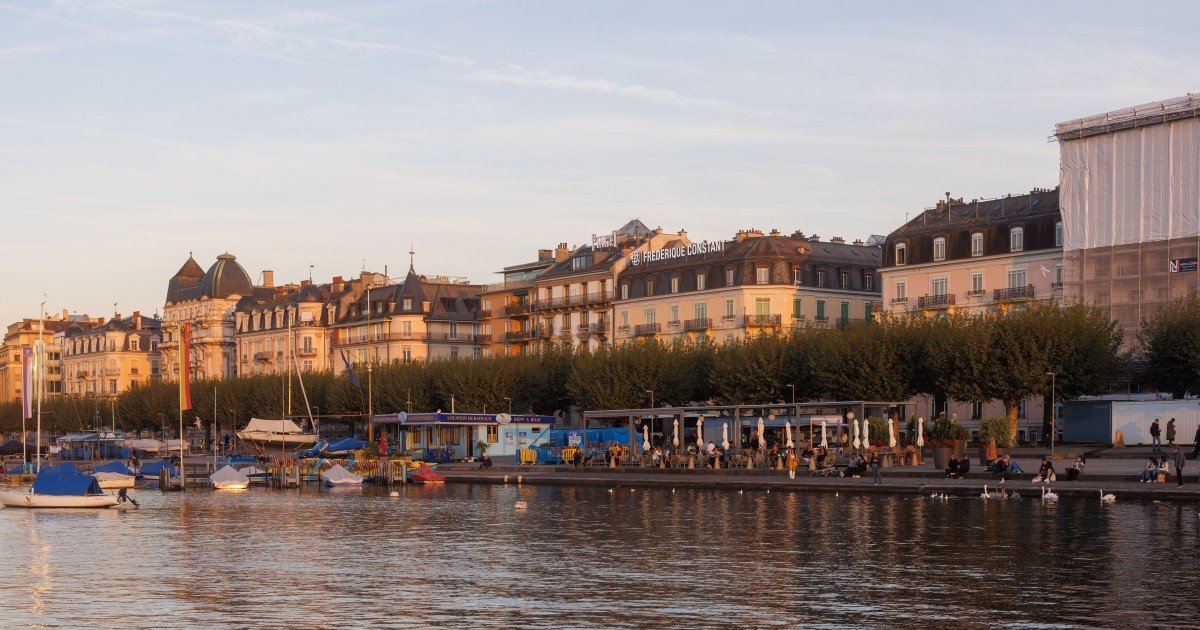
Take a walk along Quai du Mont Blanc, pause near the water and watch boats move across the lake. On clear days, the surrounding landscape gives you a sense of how closely Geneva is connected to the Alps.
A waterfront walk is also one of the easiest activities to fit into a busy itinerary because it does not require a ticket or a fixed schedule.
Why the lake is worth experiencing more than once
Visit during the morning and the atmosphere feels calm and spacious. Come back in the evening and the same waterfront can feel completely different.
For couples, the lake provides a naturally romantic setting. For families, it offers open space and easy walking. For photographers, changing weather and light can transform the scenery within minutes.
6. Parc des Bastions and the Reformation Wall
Located beside the Old Town, Parc des Bastions is another place where Geneva’s history becomes part of the landscape.
The park is home to the Reformation Wall, a monumental tribute to important figures and events associated with the Protestant Reformation. The monument was constructed between 1909 and 1917 and features major historical personalities including John Calvin, Guillaume Farel, Theodore Beza and John Knox.
The park itself is worth exploring even if you are not particularly interested in religious history.
It gives you a welcome break from the stone streets of the Old Town, and its location makes it easy to include in a walking route connecting several central attractions.
Good combination: Old Town, St Peter’s Cathedral, Reformation Wall and Jardin Anglais can comfortably form the backbone of a full day of central Geneva sightseeing.
7. Museum of Art and History
Geneva has a surprisingly strong museum scene, and the Museum of Art and History is one of the best choices for visitors who want a broad introduction to the city’s cultural heritage.
Its collections cover art, archaeology, decorative arts, watches, textiles, weapons, musical instruments and other historical objects.
The advantage of a broad museum like this is that you can move between different periods and subjects rather than focusing on a single artistic discipline.
It is also a useful option on rainy days, when Geneva’s outdoor attractions may be less comfortable.
8. Patek Philippe Museum
Geneva and watchmaking are inseparable, so visitors interested in horology should consider the Patek Philippe Museum.
The museum explores the history of watchmaking through an extensive collection of watches, musical automata, enamel miniatures and other historic pieces dating from earlier centuries.
Even people who do not normally visit watch museums may find this experience surprisingly engaging because it explains how craftsmanship, engineering and design developed together.
Rather than thinking of it simply as a brand museum, approach it as an introduction to Geneva’s wider watchmaking tradition.
9. International Red Cross and Red Crescent Museum
Geneva has an extraordinary connection with humanitarian work, and the International Museum of the Red Cross and Red Crescent explores that story.
The museum focuses on humanitarian action and encourages visitors to think about how international assistance works in difficult circumstances. It provides a very different experience from Geneva’s traditional art and history museums.
This is an especially worthwhile stop for travellers interested in international affairs, history, humanitarian work or contemporary global issues.
10. Palais des Nations
Geneva’s identity is strongly connected with international diplomacy.
The Palais des Nations, associated with the United Nations in Geneva, represents this side of the city. Its location also takes you away from the historic centre and into the international district.
The area is interesting because it shows another side of Geneva. One moment you are surrounded by medieval architecture, and shortly afterwards you are walking through a district shaped by international organisations and diplomacy.
Check visitor arrangements and access requirements before planning your visit, as tours and entry conditions can change.
11. CERN and the Globe of Science and Innovation
For science lovers, one of the most fascinating places near Geneva is CERN.
The European particle physics research centre has become one of the region’s most distinctive attractions for visitors interested in physics, engineering and the mysteries of the universe.
The Globe of Science and Innovation provides an accessible way to explore scientific ideas associated with CERN. Geneva Tourism includes CERN among its leading attractions and highlights the city’s specialised science museums as part of its wider cultural offering.
CERN is particularly suitable for families with older children and teenagers who enjoy science.
Because visitor access can depend on current arrangements, always check the latest visitor information before travelling there.
12. Carouge
If Geneva’s historic centre feels elegant and formal, Carouge offers a more relaxed personality.
This distinctive neighbourhood has a different architectural character and a Mediterranean influenced atmosphere. Small streets, cafés, independent shops and local restaurants make it a pleasant area for wandering without a fixed sightseeing agenda.
Carouge is a good choice when you want to experience Geneva as a living city rather than simply visiting monuments.
Spend a few hours here, stop for coffee and browse local shops. It is particularly enjoyable in the late afternoon when you have already seen several major attractions and want something less structured.
13. Bains District
Art lovers should make time for the Bains district, one of Geneva’s creative areas.
The neighbourhood is home to institutions such as MAMCO, the Museum of Modern and Contemporary Art, and other galleries and cultural spaces. Geneva Tourism identifies the Bains district as an important part of the city’s contemporary art scene.
This area is a useful reminder that Geneva is not frozen in its historical identity. Alongside Reformation history, watchmaking and grand international institutions, the city has a modern creative culture.
14. Parc de la Grange
For travellers who want greenery and open space, Parc de la Grange is one of the city’s most pleasant choices.
The park sits close to Lake Geneva and offers a refreshing change from urban sightseeing.
It is particularly attractive during warmer months when gardens and outdoor spaces become part of the Geneva experience. In summer 2026, Geneva’s lakeside calendar includes cultural and entertainment events, reinforcing the importance of the waterfront parks as social spaces rather than simply decorative gardens.
15. Salève for Panoramic Views
If you want to see Geneva from above, consider a trip to Salève.
Although it is located just across the border in France, its proximity makes it one of the most rewarding excursions from Geneva.
The viewpoint offers a completely different perspective of the city, Lake Geneva and the surrounding Alpine landscape.
Weather matters enormously here. A clear day can produce spectacular views, while cloud or haze can hide much of the scenery. Check conditions before making the trip.
16. Take a Boat Ride on Lake Geneva
A boat trip is one of the easiest ways to see Geneva from a different perspective.
Instead of looking towards the lake from the shore, you can look back at the city and appreciate its waterfront architecture, parks and surrounding mountains.
Seasonal sightseeing cruises operate on the lake. For example, Geneva Tourism lists the Geneva Tour cruise during the 2026 season, with departures scheduled from late April through October.
The city’s smaller Mouettes genevoises boats are also useful for crossing parts of the harbour and experiencing Geneva from the water without committing to a long cruise.
Best time: Late afternoon can be particularly pleasant because the changing sunlight gives the lake and mountains more depth.
17. Maison Tavel
Back in the Old Town, Maison Tavel is worth visiting if you want to understand Geneva’s urban history.
The building itself is significant, representing medieval civil architecture in Switzerland. Its exhibitions provide a closer look at how Geneva developed as a city.
It works particularly well after visiting St Peter’s Cathedral because you can begin connecting Geneva’s religious, political and everyday urban history rather than viewing each attraction separately.
18. International Museum of the Reformation
For visitors fascinated by European history, the International Museum of the Reformation provides important context for understanding Geneva.
The museum is located in the historic Old Town and explores the Reformation and its impact.
You do not need to be deeply religious to appreciate the museum. The Reformation influenced politics, education, culture and European society, and Geneva became one of its most significant centres.
19. Ariana Museum
The Ariana Museum is a strong choice for travellers who enjoy decorative arts and distinctive architecture.
Its collections include ceramics and glass from Switzerland, Europe and other parts of the world. The building itself is also visually impressive, making the visit worthwhile for both architecture and museum enthusiasts.
Because it is located near other attractions in the international district, it can be paired with a day exploring the Palais des Nations area.
20. Quai du Mont Blanc
Do not underestimate a simple walk along Quai du Mont Blanc.
This waterfront promenade provides excellent views towards the lake and mountains while keeping you close to central Geneva.
It is especially useful for travellers who want to slow down between scheduled attractions. You can walk, photograph the scenery or simply sit beside the water.
Sometimes the best travel experiences are the ones that cost nothing and require no reservation.
How Many Days Do You Need in Geneva?
For most first time visitors, two to three days in Geneva provides a comfortable introduction.
One day in Geneva
Prioritise:
- Jet d’Eau
- Lake Geneva waterfront
- Jardin Anglais and Flower Clock
- Old Town
- St Peter’s Cathedral
- Reformation Wall
This gives you a strong overview without trying to see everything.
Two days in Geneva
On the second day, add:
- Museum of Art and History
- International Red Cross and Red Crescent Museum
- Palais des Nations
- Patek Philippe Museum or Bains district
Choose attractions according to your interests rather than trying to enter every museum.
Three days in Geneva
A third day gives you room for:
- CERN
- Carouge
- A lake cruise
- Salève
- More relaxed time around the parks and waterfront
This is also the ideal length for travellers who prefer slow sightseeing.
Best Time to Visit Geneva
Geneva works throughout the year, but each season has a different personality.
Spring is excellent for walking and gardens, with comfortable conditions for exploring outdoor attractions.
Summer is lively and energetic. The waterfront becomes a major part of the city’s social life, and outdoor events add atmosphere. Geneva’s official tourism calendar includes numerous summer concerts, cultural events and open air activities.
Autumn brings softer light, cooler temperatures and colourful landscapes. It can be a particularly pleasant period for travellers who dislike peak summer crowds.
Winter gives Geneva a quieter atmosphere and makes museums, cafés and historic interiors especially appealing.
The right season therefore depends less on finding one universally best month and more on deciding what type of Geneva experience you want.
Getting Around Geneva
One of Geneva’s biggest advantages is that many central attractions can be reached on foot.
Walking is the best way to explore the Old Town because narrow streets and small squares are part of the experience.
For longer journeys, Geneva’s public transport system is useful. Visitors staying in eligible accommodation in the canton can receive a Geneva Transport Card, which provides free public transport during their stay, including buses, trains and Geneva’s small lake shuttle boats.
Always check the current conditions associated with your accommodation and transport card before relying on it for your itinerary.
Practical Tips for Visiting Geneva
Start early. Major attractions are usually more enjoyable before the busiest part of the day.
Wear comfortable shoes. Geneva may look compact on a map, but exploring the Old Town, waterfront and parks involves plenty of walking.
Keep your schedule flexible. Weather can change quickly around the lake and mountains.
Combine nearby attractions. For example, explore St Peter’s Cathedral, the Old Town, Maison Tavel and the Reformation Wall together rather than crossing the city repeatedly.
Reserve time for the lake. Geneva’s waterfront is not something to squeeze into five spare minutes. Give yourself at least an hour to properly enjoy it.
Check seasonal opening information. Museums, towers, cruises and special attractions can have different schedules throughout the year.
Consider your interests before buying attraction passes. Geneva offers a City Pass with free or discounted activities, but whether it saves money depends on how many included attractions you actually plan to visit.
What Makes Geneva Different From Other Swiss Cities?
Geneva has a character that is difficult to compare directly with cities such as Zurich, Lucerne or Bern.
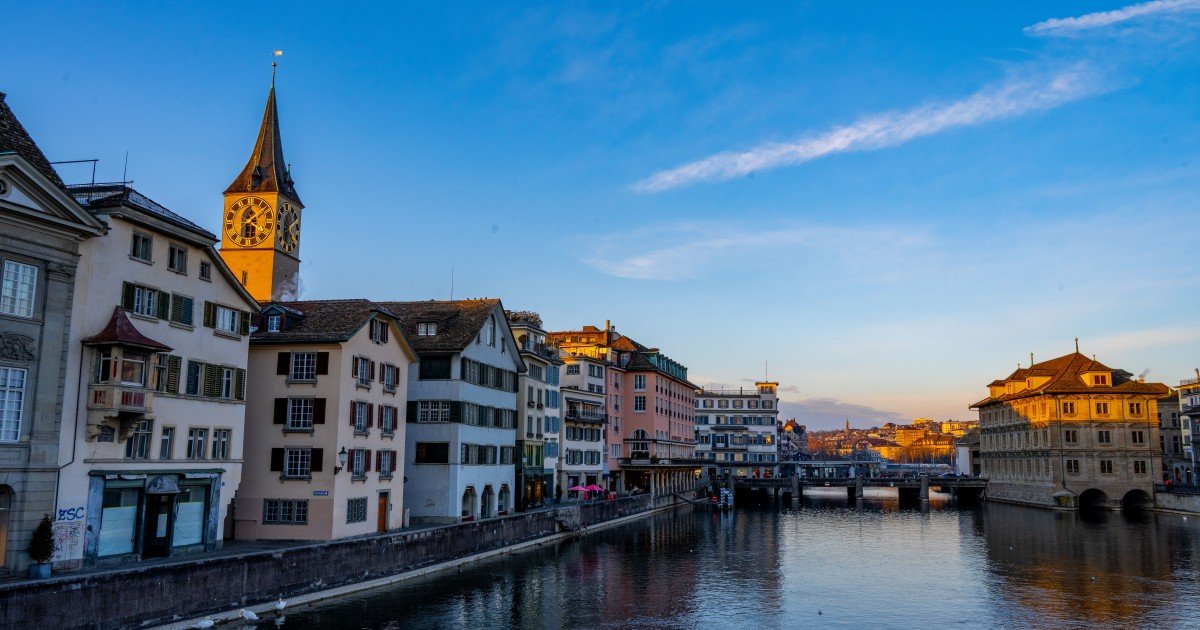
Zurich feels strongly connected to finance and contemporary urban life. Lucerne is known for its dramatic lake and mountain setting. Bern is celebrated for its preserved medieval character.
Geneva combines several identities at once.
It is a lakeside city with Alpine scenery, a historic centre shaped by the Reformation, a global centre for diplomacy and humanitarian work, and one of the world’s most recognised names in watchmaking.
That mixture is the real reason to visit.
You can explore centuries of history in the morning and then find yourself surrounded by international institutions in the afternoon. You can spend an hour inside a museum and the next hour beside the lake. The contrast never feels forced because these different identities have grown together over time.
Frequently Asked Questions
What are the best places to visit in Geneva for first time visitors?
The top choices are the Jet d’Eau, Old Town, St Peter’s Cathedral, Jardin Anglais, Flower Clock, Lake Geneva waterfront, Reformation Wall and at least one major museum. If you have additional time, add CERN or a boat trip.
Is Geneva worth visiting for two days?
Yes. Two days are enough to see the principal landmarks while still leaving time for museums, the waterfront and relaxed meals. Three days are better if you want to include CERN, Carouge or a mountain excursion.
What is the most beautiful place in Geneva?
There is no single answer, but the Lake Geneva waterfront, the view from St Peter’s Cathedral and the area around Jardin Anglais are among the city’s most rewarding scenic locations.
Is Geneva good for families?
Yes. Families can enjoy the lake, parks, boat rides, museums and CERN. The best choices depend on the children’s ages and interests.
What can you do in Geneva when it rains?
Rainy days are ideal for museums. Consider the Museum of Art and History, Patek Philippe Museum, International Red Cross and Red Crescent Museum, International Museum of the Reformation or other cultural attractions.
Can Geneva be explored on foot?
The central areas can be explored very comfortably on foot. The Old Town, lakefront, Jardin Anglais, Flower Clock and Parc des Bastions can be connected into a walking itinerary. Public transport becomes more useful for attractions farther from the centre.
Is the Jet d’Eau free to see?
The fountain itself is a public landmark, so you can enjoy views of it from the waterfront without buying an attraction ticket. Access conditions around the fountain can vary with weather and safety requirements.
Is a boat ride on Lake Geneva worth it?
Absolutely, especially if you have already explored the waterfront on foot. Seeing Geneva from the lake provides a different perspective of the city, mountains and shoreline.
What is Geneva famous for?
Geneva is famous for Lake Geneva and the Jet d’Eau, Swiss watchmaking, its historic Old Town, the Reformation, international organisations, humanitarian institutions and its proximity to the Alps.
The best places to visit in Geneva, Switzerland are not limited to a list of famous landmarks. The city’s real appeal comes from the way its different experiences fit together.
You can stand beneath the Jet d’Eau and look across Lake Geneva, climb the tower of St Peter’s Cathedral for a completely different perspective, walk through centuries of history in the Old Town, discover the city’s watchmaking tradition in a museum and then finish the evening beside the water.
Geneva rewards curiosity more than speed.
If you have only one day, focus on the historic centre and lake. With two or three days, add museums, CERN, Carouge, a boat ride or Salève according to your interests. Most importantly, leave some unplanned time in your itinerary. Walk a little farther, sit beside the lake and explore streets that were not on your original list.

Leave a Reply