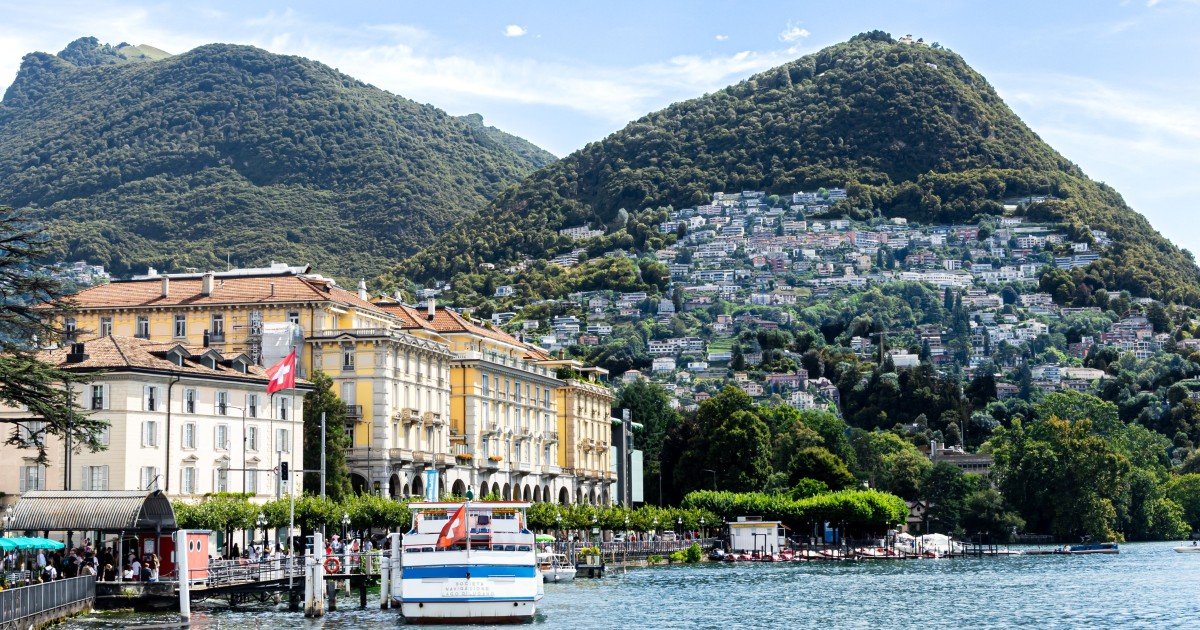
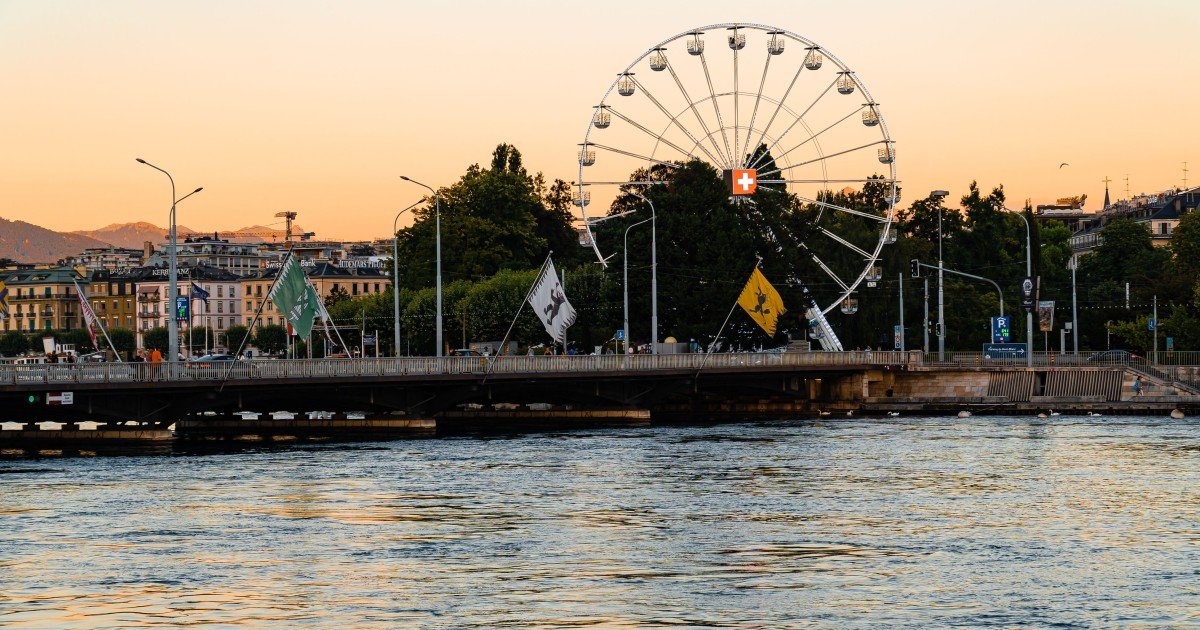
Geneva, Switzerland is a city where an international atmosphere meets lakeside beauty, historic streets and spectacular Alpine scenery. If you are searching for geneva ch, Switzerland: Things to Do, Places to Visit & Travel Guide, you will quickly discover that Geneva is much more than a business and diplomatic centre. The city sits beside Lake Geneva, with the famous Jet d’Eau rising from the water, while the Old Town, museums, parks and waterfront promenades provide plenty of reasons to stay for several days.
Geneva has a personality of its own. It is sophisticated without feeling completely formal, historic without being stuck in the past, and cosmopolitan while remaining unmistakably Swiss.
One moment you can be exploring medieval lanes around St. Peter’s Cathedral. A few minutes later, you can be standing beside the lake watching boats cross toward France. Beyond the city, the Alps and Jura Mountains create opportunities for scenic day trips.
For first-time visitors, Geneva can sometimes seem difficult to understand because its most famous attractions are spread across different parts of the city. The good news is that the central areas are highly walkable, public transportation is convenient, and many of the best experiences are relatively close together.
This guide explains what to see, what to do, where to go, how many days to stay, when to visit and how to make your Geneva trip more enjoyable in 2026.
Why Visit Geneva, Switzerland?
Geneva occupies a unique position in Switzerland.
It is located in the French-speaking part of the country and has long been associated with international diplomacy, humanitarian organisations, watchmaking, banking and global institutions.
But visitors do not need to be interested in politics or business to enjoy the city.
Geneva’s greatest travel strength is its variety.
You can spend the morning walking through the Old Town, have lunch beside Lake Geneva, visit a museum in the afternoon and finish the day watching the sunset from the waterfront.
The surrounding region adds another layer. France is nearby, and destinations such as Annecy and Chamonix can be considered for longer day trips, depending on border arrangements, transport and your itinerary.
Geneva is particularly suited to travellers interested in:
- Lake and mountain scenery
- Historic European cities
- Museums and culture
- Swiss watchmaking
- International history
- Parks and gardens
- Fine dining and cafés
- Shopping
- Family-friendly attractions
- Romantic city breaks
- Day trips into Switzerland and nearby France
Another advantage is accessibility.
Geneva International Airport and the city’s main railway station make the destination relatively easy to reach from other European cities.
Once you arrive, you can explore much of the central area without a car.
Best Places to Visit in Geneva
Lake Geneva
Begin with the lake.
Lake Geneva, known locally as Lac Léman, is central to the city’s identity.
The waterfront provides some of the most attractive views in Geneva, especially when the weather is clear and the mountains are visible beyond the water.
Walk along the promenade, sit near the shore or watch the boats moving between lakeside destinations.
The atmosphere changes throughout the day.
Mornings can feel calm and spacious, while evenings bring locals and visitors to the waterfront for walks and relaxed conversations.
If you are visiting during warmer months, consider taking a boat cruise.
It is one of the easiest ways to appreciate the relationship between Geneva and the surrounding landscape.
Jet d’Eau
The Jet d’Eau is Geneva’s most famous landmark.
The enormous water jet rises from Lake Geneva and has become an unmistakable symbol of the city.
Its location makes it difficult to miss if you spend time near the lake.
Rather than treating it as a quick photo stop, walk along the waterfront and view it from different angles.
On clear days, the combination of the jet, lake and distant mountains creates one of Geneva’s most recognisable scenes.
Weather and operating conditions can affect the jet, so do not be surprised if it is not running during certain conditions or maintenance periods.
Geneva Old Town
The Old Town, or Vieille Ville, is where Geneva’s history becomes most visible.
Narrow streets, historic buildings, small squares and independent shops create an atmosphere that feels very different from the modern areas near the lake.
This is a place to wander.
Do not rush from one landmark to another.
Instead, spend time exploring the streets around the main squares and discovering quieter corners.
The Old Town is built on a hill, so comfortable shoes are useful.
St. Peter’s Cathedral
St. Peter’s Cathedral is one of Geneva’s most important historic landmarks.
The cathedral has strong connections with the Protestant Reformation and the city’s religious history.
Inside, the architecture reflects centuries of change.
One of the highlights for visitors is climbing the towers for panoramic views over Geneva.
The viewpoint gives you a different understanding of the city. From above, the lake, Old Town and surrounding landscape become easier to appreciate as one connected setting.
Place du Bourg-de-Four
Place du Bourg-de-Four is one of the most attractive squares in the Old Town.
It is surrounded by historic buildings, cafés and restaurants and makes a natural stopping point during a walking tour.
This is a good place to take a break rather than simply passing through.
A coffee here can turn a sightseeing route into a more relaxed experience.
Reformation Wall
The Reformation Wall stands in the Parc des Bastions and commemorates important figures and events associated with the Protestant Reformation.
The monument is integrated into a large green space, which makes the area useful for both history and relaxation.
You can combine the wall with a walk through the park and then continue toward the Old Town.
Parc des Bastions
Parc des Bastions is one of Geneva’s most pleasant central parks.
Large trees, lawns, walking paths and the famous giant chess boards make it a popular place for both locals and visitors.
The park offers a welcome contrast to the stone streets of the Old Town.
If you are travelling with children, the open space can also provide a useful break from museums and sightseeing.
Palais des Nations
Geneva’s international identity becomes most obvious at the Palais des Nations, the European headquarters of the United Nations.
The complex is located in Ariana Park and is one of the city’s major international attractions.
Depending on current access arrangements and your interests, guided visits can provide insight into international diplomacy and the history of the organisation.
Because access rules, tour availability and security procedures can change, check current information before planning your visit.
Broken Chair
The Broken Chair is a striking public artwork near the Palais des Nations.
The enormous sculpture represents opposition to landmines and cluster munitions and has become an important symbol associated with Geneva’s humanitarian identity.
It is an easy stop to combine with the Palais des Nations and Ariana Park.
International Red Cross and Red Crescent Museum
The International Red Cross and Red Crescent Museum explores humanitarian action and the experiences of people affected by conflict and disaster.
Its exhibitions focus on difficult subjects but present them through thoughtful storytelling and historical context.
For travellers interested in international affairs, human rights and humanitarian work, it is one of Geneva’s most significant museums.
Best Things to Do in Geneva
Take a Lake Geneva Cruise
A lake cruise is one of the simplest ways to see Geneva from a new perspective.
The city skyline looks different from the water, and the surrounding mountains become more prominent.
Depending on the service and season, boat routes can also connect Geneva with other lakeside communities.
Check current schedules before planning a cruise around a specific destination.
Explore Geneva’s Watchmaking Heritage
Geneva has an international reputation for watchmaking.
You can explore this heritage through specialist museums, historic businesses and exhibits related to horology.
The Patek Philippe Museum is particularly interesting for travellers fascinated by mechanical watches and the history of watchmaking.
Even if you do not intend to buy a watch, learning how Swiss watchmaking developed can provide valuable context for understanding one of Geneva’s most famous industries.
Walk Through Carouge
Carouge is one of the most charming areas near central Geneva.
Its architecture and atmosphere feel distinctly different from the historic core.
The neighbourhood has Mediterranean influences, attractive streets, independent shops, cafés and restaurants.
Carouge is an excellent choice if you want to experience a more local and relaxed side of the Geneva area.
Do not treat it as just another attraction to tick off.
Give yourself time to walk slowly and stop for coffee.
Visit Geneva’s Museums
Geneva has an impressive range of museums.
Depending on your interests, you can explore:
- Art
- Archaeology
- Natural history
- Watchmaking
- International humanitarian history
- Science
- Local history
The Muséum d’histoire naturelle is particularly useful for families, while art enthusiasts can explore Geneva’s various galleries and collections.
The key is to choose one or two museums that genuinely interest you rather than attempting to see everything.
Enjoy Geneva’s Parks
Geneva has many green spaces.
Besides Parc des Bastions, consider the lakeside Jardin Anglais and other waterfront gardens.
These spaces are especially enjoyable during spring and summer when flowers and trees add colour to the city.
For travellers on a busy itinerary, parks can be more valuable than they initially appear.
They give you a chance to slow down.
Try Swiss and French-Swiss Food
Geneva’s food culture reflects its location.
You will find Swiss specialities alongside French-influenced cuisine and international restaurants.
Try traditional dishes such as fondue or rösti, but also look for regional pastries, chocolate and local products.
Do not assume every meal needs to be formal.
A bakery breakfast, café lunch and carefully chosen dinner can give you a more varied experience.
Best Day Trips From Geneva
Annecy, France
Annecy is one of the most popular nearby excursions.
The French lakeside town is known for its canals, colourful historic buildings and Lake Annecy.
It is particularly attractive during pleasant weather.
Because it involves crossing an international border, check current travel documents and transport requirements before travelling.
Chamonix and Mont Blanc
For dramatic mountain scenery, Chamonix is a strong option.
The town sits beneath the Mont Blanc massif and provides access to spectacular Alpine landscapes.
It is considerably different from Geneva, which makes it a rewarding addition to a longer itinerary.
Mountain conditions can change quickly, so check weather and transport services before departing.
Lausanne
Lausanne lies along Lake Geneva and combines a historic city centre with lake and mountain views.
The city is home to the Olympic Museum and is an excellent choice for travellers interested in sports history.
It can also be combined with other destinations around Lake Geneva.
Montreux
Montreux is another attractive lakeside destination.
The town is known for its lakefront promenade, mountain scenery and cultural associations, including its famous music festival.
Chillon Castle nearby adds a historical dimension to the trip.
Yvoire
Yvoire is a picturesque medieval village on the French side of Lake Geneva.
It is particularly appealing to travellers who enjoy historic villages, gardens and lakeside scenery.
Its smaller scale makes it feel very different from Geneva.
Gruyères
For a Swiss cultural experience, consider Gruyères.
The medieval hilltop town is associated with its castle and the famous Swiss cheese of the same name.
It is farther from Geneva than the closest lake destinations, so it works best as a full-day excursion.
How Many Days Do You Need in Geneva?
One Day in Geneva
One day is enough to see the major highlights, but the itinerary needs to be organised carefully.
Start near the lake and see the Jet d’Eau.
Walk toward the Old Town.
Visit St. Peter’s Cathedral and explore the historic streets.
Continue to Parc des Bastions and the Reformation Wall.
Finish near the lake or explore a museum if time allows.
This gives you a quick introduction.
Two Days in Geneva
Two days are much better.
Day one: Lake Geneva, Jet d’Eau, Old Town and St. Peter’s Cathedral.
Day two: Palais des Nations, humanitarian museums, Carouge or additional cultural attractions.
This allows you to experience both the historic and international sides of the city.
Three Days in Geneva
Three days allow you to add a day trip.
You could spend two days exploring Geneva and the third visiting Annecy, Lausanne, Montreux or another destination.
For travellers who prefer a slower pace, three days in Geneva itself can also be worthwhile.
Best Time to Visit Geneva
Spring
Spring is excellent for parks, lake walks and sightseeing.
The city becomes increasingly colourful, and temperatures are generally suitable for spending time outdoors.
Summer
Summer offers the best conditions for lake cruises, outdoor dining and longer day trips.
It is also a busy period.
Popular accommodation and excursions can fill up, particularly around major events.
Autumn
Autumn brings cooler temperatures and beautiful colours to parks and surrounding countryside.
It can be an excellent season for travellers who prefer fewer crowds.
Winter
Winter gives Geneva a different character.
Christmas markets and seasonal events can create a festive atmosphere, while museums and indoor attractions remain useful when temperatures are low.
If your priority is mountain hiking, summer and early autumn are generally more suitable.
Getting Around Geneva
Geneva is easy to navigate using public transportation.
Trams and buses connect the central districts and surrounding areas, while trains are useful for regional travel.
Many major attractions in the centre can also be reached on foot.
If you are staying at eligible accommodation, Geneva’s visitor transport arrangements may provide access to public transportation under the conditions applicable at the time of your stay.
Always check the current rules for 2026 because transport benefits and eligibility can change.
Do You Need a Car?
For a normal Geneva city break, you do not need a car.
In fact, driving can be less convenient because of traffic, parking and the city’s efficient public transportation.
A car becomes more useful if you plan to explore remote areas or make a broader road trip through the French Alps and surrounding countryside.
For central sightseeing, walking and public transport are usually the better choices.
Practical Geneva Travel Tips for 2026
Start sightseeing early. Popular landmarks such as the Old Town and lakeside areas are more enjoyable before peak crowds.
Wear comfortable shoes. Geneva’s historic centre includes slopes, stairs and cobbled sections.
Check museum schedules. Many museums have specific closing days or temporary exhibition arrangements.
Watch the weather. Mountain views can disappear quickly when clouds move over the region.
Plan border trips carefully. If travelling into France, confirm the current documentation and transport requirements.
Use public transportation. It is generally more practical than driving within the city.
Leave time for the lake. The waterfront is not something to rush through between attractions.
Book popular excursions ahead when necessary. Summer weekends and major events can increase demand.
Budget realistically. Geneva is among Europe’s more expensive destinations for accommodation and dining.
Mix paid and free experiences. Parks, waterfront walks and historic streets can fill a day without requiring constant entrance fees.
A Simple Two-Day Geneva Itinerary
Day 1: Lake and Old Town
Begin your morning beside Lake Geneva.
Walk toward the Jet d’Eau and continue along the waterfront.
Explore the Jardin Anglais before heading toward the Old Town.
Visit St. Peter’s Cathedral and explore the surrounding historic streets.
Stop at Place du Bourg-de-Four for lunch or coffee.
In the afternoon, walk through Parc des Bastions and see the Reformation Wall.
Finish your day with dinner in or around the Old Town.
Day 2: International Geneva and Carouge
Start at the Palais des Nations.
Explore the surrounding Ariana Park and see the Broken Chair.
Visit the International Red Cross and Red Crescent Museum if its subject matter interests you.
In the afternoon, head toward Carouge.
Explore its streets, cafés and independent shops.
Return to central Geneva for an evening beside the lake.
If you prefer museums to neighbourhood exploration, replace Carouge with the Patek Philippe Museum or another cultural attraction.
Is Geneva Good for Families?
Yes.
Geneva offers several attractions suitable for children, particularly museums, parks, lake cruises and natural-history exhibits.
The city’s walkable centre makes it possible to build a flexible family itinerary.
Instead of filling every hour with museums, alternate indoor attractions with parks and outdoor spaces.
The Muséum d’histoire naturelle can be especially engaging for children interested in animals and science.
A boat trip can also provide a welcome change of pace.
Is Geneva Good for Couples?
Geneva can be an excellent destination for couples.
A lakeside walk, sunset views, dinner in the Old Town and a day trip to a nearby lakeside town can create a relaxed romantic itinerary.
For a quieter experience, spend time in parks or explore Carouge rather than concentrating only on major landmarks.
The city is also a convenient starting point for romantic excursions toward Lake Geneva and the Alps.
Is Geneva Expensive?
Geneva is expensive compared with many European city destinations.
Accommodation, restaurants and certain attractions can put pressure on a travel budget.
However, you can control costs by choosing where to spend.
Some enjoyable experiences are free:
- Walking around the Old Town
- Seeing the Jet d’Eau
- Exploring Parc des Bastions
- Walking beside Lake Geneva
- Visiting public parks
- Exploring historic squares
- Enjoying city viewpoints
For meals, consider combining restaurants with bakeries, casual cafés and supermarkets.
A well-planned itinerary does not have to mean sacrificing the best experiences.
What Makes Geneva Different From Other Swiss Cities?
Geneva’s biggest distinction is its international character.
The city is deeply connected with diplomacy, humanitarian work and global organisations, while its location beside Lake Geneva gives it a strong recreational identity.
It also sits close to France, creating an interesting cultural blend.
The result is a city where you can spend the morning thinking about European history, the afternoon exploring international institutions and the evening enjoying a lakeside meal.
That range is difficult to replicate elsewhere.
Frequently Asked Questions
What is Geneva famous for?
Geneva is famous for Lake Geneva, the Jet d’Eau, international organisations, watchmaking, its Old Town, St. Peter’s Cathedral and its proximity to the French Alps.
Is Geneva worth visiting?
Yes. Geneva is particularly worthwhile for travellers interested in history, culture, international affairs, museums, lake scenery and convenient access to nearby Swiss and French destinations.
How many days are enough for Geneva?
Two days are ideal for a first visit. One day can cover the main highlights, while three days allow time for a nearby day trip.
What are the best things to do in Geneva?
Top experiences include seeing the Jet d’Eau, exploring the Old Town, visiting St. Peter’s Cathedral, walking along Lake Geneva, exploring Parc des Bastions and visiting international or watchmaking museums.
Is Geneva in Switzerland or France?
Geneva is in Switzerland. It is located close to the French border and is surrounded by French-speaking areas, which contributes to its strong French cultural influence.
Can you visit Geneva without a car?
Yes. Geneva has an extensive public transportation network, and many central attractions are within walking distance.
What is the best time to visit Geneva?
Late spring through early autumn is excellent for outdoor sightseeing, lake activities and day trips. Winter is suitable for museums, seasonal events and a quieter city experience.
Is Geneva expensive for tourists?
Geneva can be expensive, particularly for accommodation and dining. Planning ahead and combining paid attractions with free parks, walks and public spaces can help control costs.
What can you do in Geneva when it rains?
Rainy-day options include museums, galleries, the Patek Philippe Museum, the International Red Cross and Red Crescent Museum, churches and covered shopping areas.
Is Annecy an easy day trip from Geneva?
Annecy is a popular day-trip destination from Geneva. Because it is in France, travellers should check current border, identification and transport requirements before making the journey.
Can you see the Alps from Geneva?
Yes. On clear days, Alpine peaks can be visible from parts of Geneva and the surrounding region. Visibility depends heavily on weather and atmospheric conditions.
Is Geneva good for a family holiday?
Yes. Museums, parks, lake cruises and family-friendly attractions make Geneva suitable for families. A flexible itinerary is generally more enjoyable than trying to visit too many museums in one day.
What should I not miss in Geneva?
For a first visit, prioritise Lake Geneva, the Jet d’Eau, the Old Town, St. Peter’s Cathedral and Parc des Bastions. Add the Palais des Nations or a museum if your schedule allows.
Why Geneva Deserves a Place on Your Switzerland Itinerary
Geneva, Switzerland is more than a city to pass through on the way to the mountains.
Its appeal lies in the combination of things that normally belong to very different kinds of trips.
You have a beautiful lake, a historic Old Town, international institutions, world-famous watchmaking, excellent museums, green parks and easy access to both Switzerland and France.
You can spend one morning walking through medieval streets and the next day looking at Alpine peaks.
For a quick visit, concentrate on the lake, Jet d’Eau, Old Town and St. Peter’s Cathedral. With two days, add the international district, museums or Carouge. With three days, consider exploring the wider Lake Geneva region.
Most importantly, do not make Geneva a race from landmark to landmark.
Walk beside the lake.
Stop for coffee in a historic square.
Spend time in a park.
Take a boat when the weather is right.
Look beyond the famous attractions and notice how the city actually feels.
That is where Geneva becomes more than a list of places to visit. It becomes a destination with its own rhythm, character and story.
Informational Disclaimer: Travel schedules, attraction opening hours, museum access, public transportation, boat services, border requirements, ticket prices and weather conditions can change. Always verify current information before making final travel arrangements or bookings.

Leave a Reply