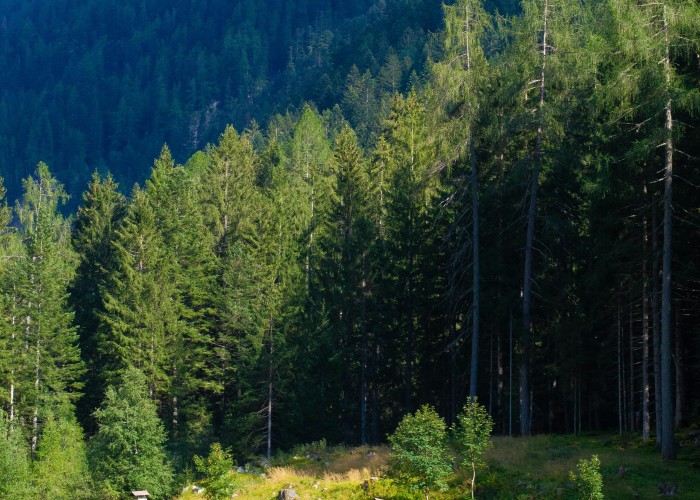
When hikers compare Tasmania with European alpine landscapes, they’re not just tossing around exotic place names. In many ways, Tasmania’s dramatic mountain ranges, wild corners, and temperate feel echo the alpine hikes of Europe—only with a southern twist. Think rolling peaks, fern forests, moors laced with ancient trees, and open ridgelines that lead to rugged summits. This guide walks through a human-focused comparison: what makes Tasmania feel alpine, how you can experience it easily, and why it still feels distinctly Tasmanian. Tasmania as a Metaphor for European Alpine Walks.
Overview: The Alpine Feel in Tasmania
Tasmania encapsulates a version of alpine walking that resonates with European trails—yet it stands on its own. Located south of mainland Australia, this island is known for its Cradle Mountain, Freycinet Peninsula, the Southwest Wilderness, and mountain lakes such as Dove Lake. It’s famous for pushing that alpine vibe through temperate zones—stretching your legs across paths laid by glacial lakes and dolerite columns instead of granitic peaks.
An alpine metaphor works because the topography, flora, and climate paint similar pictures. The moss-lined forests and craggy ridges feel like stepping into a familiar European sketch, but with unique wildflowers, endemic wildlife, and cooler southern hemisphere seasons. It makes Tasmania a natural testing ground for trekkers planning European mountain walks—or vice versa.
Best Time to Visit
Timing defines how “alpine” Tasmania feels:
- Summer (December to February) – Warmest months, long daylight, but occasional rain. Ideal for high-plateau bushwalking.
- Autumn (March to May) – Crisp air, golden hues in the bush, fewer crowds—best time for a peaceful alpine feel.
- Winter (June to August) – Snow appears on higher peaks, adding pure alpine drama—but hiking can be challenging.
- Spring (September to November) – Rebounding wildflowers and cooler mornings echo early alpine spring in Europe.
For the best blend of alpine feel and accessibility, autumn and summer work well. Winter is for experienced walkers with proper gear.
How to Reach the Trails
Tasmania may feel remote, but it’s surprisingly easy to reach its alpine corners:
By Air
- Fly into Hobart or Launceston—major gateways.
- Many hikers continue by car or regional shuttle to trailheads.
By Road
- Renting a car gives flexibility to reach Cradle Mountain, Lake St Clair, or Freycinet.
- Tasmania’s roads are calm, scenic, and drive-friendly even for international visitors.
By Transit
- Some shuttle services and buses run to key national parks—book ahead, especially in peak season.
Entry Fees and Permits
Exploring Tasmania’s alpine-like trails is straightforward:
- National park entry is free, though some parks request a voluntary donation.
- Cradle Mountain Visitor Pass—mandatory for vehicle access to certain park areas—with a fee around AUD 25–35 (subject to change).
- No hiking permits are needed for standard well-marked trails. Tasmania as a Metaphor for European Alpine Walks.
Food Availability and Meal Options
Tasmania’s alpine trails often start or end near cafes, huts, or visitor centres:
- Park cafes and visitor centres near Cradle Mountain or Freycinet offer meals, snacks, and basic supplies.
- On longer hikes, refuges or huts may supply tea and simple meals, though cooking may be self-serve.
- Carry packed lunches or trail snacks, especially when trekking remote sections in the Southwest Wilderness.
Packing List and Essentials
Tasmania’s rugged beauty requires planning. Here’s what you’ll need:
- Waterproof daypack with rain cover
- Waterproof hiking boots and wool-blend socks
- Layered clothing system: base layer, fleece, lightweight rain jacket
- Warm hat and gloves, even in summer
- Navigation tools: map, compass, offline GPS
- Water bottle or hydration bladder (1–2 litres)
- Snacks: trail mix, energy bars, sandwiches
- First aid kit and basic emergency kit
- Headlamp for early starts or pushing past sundown
- Optional: lightweight camping gear for multi-day routes
Safety Tips and Local Regulations
Walking among Tasmania’s alpine-forged landscapes is rewarding, but keep safety first:
- Weather changes fast—check forecasts and be ready for wind or fog.
- Stay on marked tracks to avoid fragile habitats and dangerous cliffs.
- In winter, snow and ice require caution or microspikes.
- Tasmania’s walk-in campsites are often simple—book ahead for backpacker huts or trail overnight spots.
- Leave no trace—pack out what you pack in.
- Be mindful of wildlife like wallabies, wombats, and snakes—observe, don’t approach.
Tips for Beginners or First-Time Visitors
- Stick to popular alpine-like trails first, such as Dove Lake Loop or the Walls of Jerusalem entry walks—they give a taste of mountain terrain without off-trail risks.
- Use staffed visitor centres to get local map updates or trail advice.
- Try multi-day hut walks where huts cut backpack weight and add comfort.
- Daylight varies seasonally—start early in winter; summer’s long evenings make evening strolls safe.
- Share your itinerary with friends or park rangers—Tasmanian weather is generally friendly, but fog can arrive fast. Tasmania as a Metaphor for European Alpine Walks.
Local Customs and Cultural Etiquette
Tasmania’s hiking culture is relaxed, respectful, and rooted in nature:
- Greet park staff or fellow hikers politely—it’s common courtesy.
- In national parks, use designated toilets or facilities.
- Many locals follow the rule: close gates, don’t litter, respect farming land in trail sections.
- Support local economies—accommodations, farm stalls, and park donations help maintain amenities.
- Tasmania values quiet. Keep noise down especially near huts or refuges.
FAQ — Tasmania as a Metaphor for European Alpine Walks
Q1: How does Tasmania’s alpine feel compare to Europe?
A: Tasmania delivers similar sensations—craggy peaks, moorland ridges, glacial lakes—but with eucalyptus forests, native fauna, and southern seasons.
Q2: Can I experience glacier-like terrain year-round?
A: Southern winter brings snow to highest peaks. In summer and autumn you get dramatic ridgelines and central highlands without snow.
Q3: What duration do hikes typically last?
A: Short hikes can be 2–5 hours. Multi-day treks, like circuit walks in Southwest Wilderness, run 3–5 days, depending on pace.
Q4: Are restrooms available on trails?
A: Facilities are at trailheads or visitor centres. Backcountry zones have basic composting toilets or none at all—pack out paper if necessary.
Q5: Are guided walks needed?
A: These trails are trail-marked. Guides are optional, but helpful for remote or weather-prone routes.
Q6: What wildlife might I see?
A: Wallabies and pademelons at dusk, echidnas scratching in leaf litter, and abundant birdlife like the bright pink robin. Snakes are there—watch your step.
Q7: Is camping allowed?
A: Yes in designated areas. Tasmania has both huts and campsites, with booking required in high season.
Q8: How does snowfall compare to European Alps?
A: Snow is lighter and less consistent than Alps. You’ll find it mainly in winter on higher peaks; summer highs are generally snow-free.
Q9: Do I need special permits for multi-day hikes?
A: No special hiking permit is required—just park entry where applicable. Hut and campsite booking suffices.
Q10: When is best for wildflower displays?
A: Spring to early summer (September to December) bursts with alpine blooms—pinks, golds, and rich moss greens.
Final Thoughts
Thinking of Tasmania as an alpine metaphor is more than just poetic—it opens a practical path for hikers worldwide to experience mountainous serenity without jetting to the Alps. Tasmania offers compact wilderness, seasonal variety, and accessible high-country trails that feel familiar to seasoned European trekkers, yet remain refreshingly original. Tasmania as a Metaphor for European Alpine Walks.





Leave a Reply