Overview: What It Is, Where It’s Located, and Why It’s Famous
The SalzAlpenSteig is a historic hiking trail that winds through the Bavarian Alps, tracing ancient salt trade routes used for centuries. Stretching approximately 230 kilometers, the trail links scenic alpine valleys, traditional Bavarian villages, and salt-producing towns, providing hikers with auniq ue blend of natural beauty, cultural heritage, and historical significance. SalzAlpenSteig (historic salt trail in the Bavarian Alps), Tour & Trek.
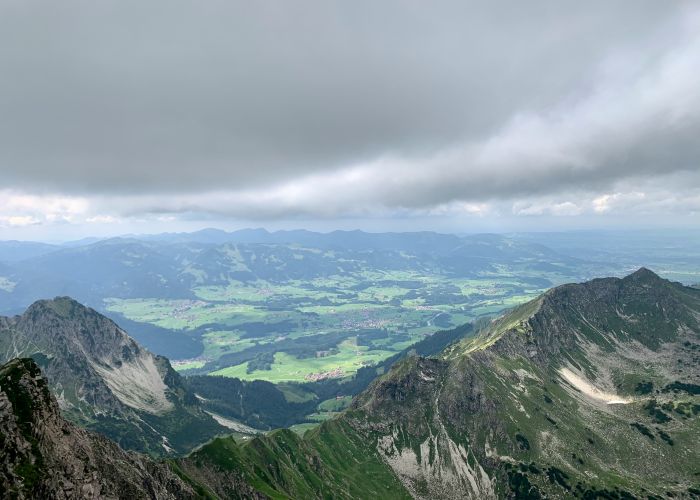
The trail is famous for its combination of majestic mountain views, lush meadows, pristine rivers, and alpine forests, as well as its historical connection to the salt trade. Hikers can experience centuries-old salt mines, baroque towns, and cultural landmarks while trekking along well-marked paths.
The SalzAlpenSteig is ideal for multi-day trekking enthusiasts but offers shorter segments suitable for casual hikers and families seeking an immersive alpine experience.
Best Time to Visit
Timing your hike is key to enjoying the Bavarian Alps at their best:
- Spring (April–June): Wildflowers bloom, snow melts in the lower valleys, and weather is mild.
- Summer (July–August): Warm temperatures, long daylight hours, and vibrant alpine scenery make this peak season.
- Autumn (September–October): Fall foliage colors the forests and mountains, and grape harvests bring a festive atmosphere.
- Winter (November–March): Higher elevations may have snow and ice; winter hiking requires advanced preparation.
For most hikers, May to October offers optimal conditions for safety and scenic enjoyment.
How to Reach (Train, Road, Air)
By Train:
- The trail passes through towns like Bad Reichenhall, Berchtesgaden, and Traunstein, all served by regional trains.
- Smaller villages along the route are accessible via local buses connecting trail segments.
By Road:
- Main highways like the A8 and B20 provide easy access to trailheads.
- Parking is generally available at village centers or designated trailhead areas.
By Air:
- Munich Airport is the closest major international airport, approximately 1.5–2 hours from trail starting points.
- From the airport, trains, buses, or car rentals can take hikers to trail access points. SalzAlpenSteig (historic salt trail in the Bavarian Alps), Tour & Trek.
Entry Fees and Permits
- Hiking the SalzAlpenSteig is free of charge, though some attractions along the route, such as salt mines or museums, may have entry fees ranging from 5–15 euros.
- Parking fees at trailheads are typically 2–5 euros per day, subject to local regulations.
- Visitors must respect local regulations in nature reserves and alpine areas.
All fees and rules are approximate and subject to change.
Food Availability and Meal Options
Along the Trail:
- The trail passes through villages offering traditional Bavarian cuisine, including pretzels, sausages, cheese, and pastries.
- Inns and guesthouses serve hearty meals and local wines or beers.
Trail Tips:
- Carry lightweight, high-energy snacks such as nuts, dried fruits, and granola bars for long stretches.
- Bring 1.5–2 liters of water per day; some alpine streams are drinkable but should be filtered or boiled.
- Overnight hikers can plan meals in guesthouses, small hotels, or mountain huts along the route.
Packing List and Essentials
Essential Items:
- Sturdy hiking boots with ankle support
- Layered clothing suitable for alpine weather
- Waterproof jacket and backpack cover
- Trekking poles for steep or uneven terrain
- Daypack with water, snacks, first-aid kit, and map or GPS device
- Sun protection: hat, sunglasses, and sunscreen
- Headlamp or flashlight for early starts or late finishes
Optional Items:
- Camera to capture alpine landscapes and historic salt sites
- Portable power bank
- Notebook or journal for documenting the journey
Tip: Pack light but cover all essentials for comfort, safety, and hydration.
Safety Tips and Local Regulations
Safety Tips:
- Stick to marked trails to prevent accidents or environmental damage.
- Check weather forecasts; mountain weather can change rapidly.
- Carry a fully charged phone and emergency contacts.
- Start hikes early to finish before sunset, especially in longer alpine sections.
- Hike with a partner whenever possible for added safety.
Local Regulations:
- Dogs are allowed but must be leashed in alpine meadows and forested areas.
- Fires are prohibited except in designated areas.
- Carry all trash; littering is strictly prohibited.
- Respect private property, alpine pastures, and cultural landmarks along the trail.
Tips for Beginners or First-Time Visitors
- Segment Your Hike: Break the trail into manageable 15–25 km per day sections.
- Physical Preparation: Engage in hill walking or multi-day hikes to build stamina.
- Accommodation: Book guesthouses or mountain huts in advance during peak seasons.
- Navigation: Rely on trail markers, maps, or GPS; some alpine areas can be confusing.
- Weather Preparedness: Layered clothing, rain gear, and sturdy footwear are essential.
Even first-time hikers can enjoy the trail by planning carefully and pacing themselves.
Local Customs and Cultural Etiquette
- Greeting Locals: A polite “Grüß Gott” is customary in Bavaria.
- Quiet Respect: Maintain peace and quiet in forests, villages, and alpine meadows.
- Support Local Business: Purchase food, drinks, or souvenirs from local inns and shops.
- Photography: Be mindful when photographing people or private property.
- Respect Cultural Sites: Salt mines, churches, and historical landmarks should be treated with care.
Following local etiquette ensures a safe and enriching experience for both hikers and residents.
FAQ Section
1. How long is the SalzAlpenSteig Trail?
- Approximately 230 kilometers, spanning multiple valleys and alpine areas.
2. What is the difficulty level?
- Moderate to challenging; includes steep climbs, alpine terrain, and long distances.
3. How long does it take to complete the trail?
- Most hikers complete it in 10–14 days, depending on pace and chosen sections.
4. Are restrooms available along the trail?
- Yes, in villages, inns, and mountain huts. Remote alpine sections may have limited facilities. SalzAlpenSteig (historic salt trail in the Bavarian Alps), Tour & Trek.
5. Can children hike the trail?
- Suitable for children aged 10 and above with adequate supervision and stamina.
6. Are dogs allowed?
- Yes, but they must be leashed and monitored in sensitive areas.
7. What is the altitude range?
- Trail elevations vary from 500 to 1,800 meters, depending on alpine sections.
8. Can the trail be hiked in winter?
- Only for experienced hikers with proper winter gear, as snow and ice can make sections dangerous.
9. Are accommodations available?
- Inns, guesthouses, and mountain huts are available along the route. Advance booking is recommended.
10. What should hikers carry for food and water?
- Bring sufficient water and high-energy snacks. Villages and inns provide meals and refreshments.
Final Thoughts
The SalzAlpenSteig Trail offers a unique blend of historic, cultural, and natural experiences in the Bavarian Alps. From centuries-old salt routes and alpine meadows to picturesque villages and mountain vistas, every step reveals a story of history and adventure.






Leave a Reply