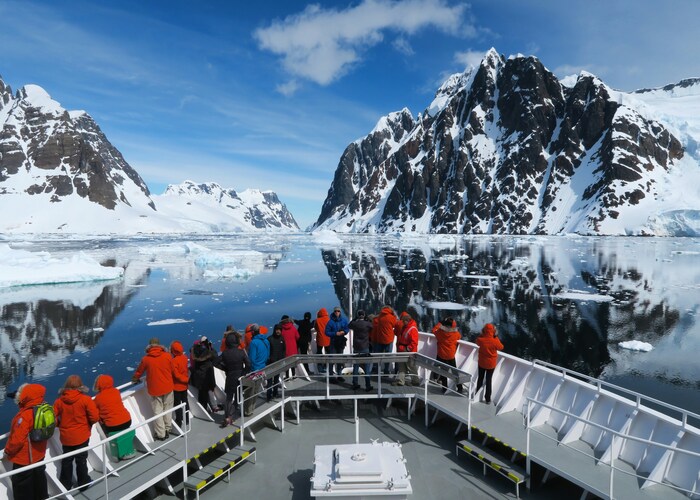
Antarctica — the last untouched frontier on Earth — is a destination that few people experience, but everyone dreams about. Known for its pristine ice-covered landscapes, towering glaciers, and extraordinary wildlife, an Antarctica cruise expedition offers a rare chance to step into a world of pure wilderness. Antarctica Cruise Expedition Packages: Everything You Need to Know.
This guide explains everything you need to know about Antarctica cruise expedition packages, including routes, best times to visit, travel logistics, safety advice, packing essentials, and frequently asked questions.
Overview: What Is an Antarctica Cruise Expedition
An Antarctica cruise expedition is a journey to the southernmost continent, primarily focused on exploration, research, and discovery. Unlike traditional cruises, these expeditions are designed for adventure — offering travelers a chance to witness dramatic ice formations, penguin colonies, and the vast silence of the frozen continent.
Most Antarctica cruises start from South America, usually from Ushuaia, Argentina, or Punta Arenas, Chile, crossing the Drake Passage before reaching the Antarctic Peninsula.
Why travelers choose Antarctica expedition cruises:
- To experience one of the most remote destinations on Earth
- To observe unique wildlife such as whales, seals, and penguins
- To visit research stations and learn about polar science
- To photograph surreal icy landscapes and massive icebergs
- To enjoy an eco-conscious and educational travel experience
Best Time to Visit Antarctica
The Antarctic travel season runs from November to March, which corresponds to the continent’s summer months. During this period, temperatures are milder, and daylight lasts up to 20 hours a day, providing ample time for exploration.
Here’s a breakdown of what to expect during different months:
- November (Early Season): Fresh snow, pristine icebergs, and active wildlife nesting.
- December to January (Mid-Season): Peak season with warmer temperatures, calving glaciers, and abundant animal activity.
- February to March (Late Season): Excellent time for whale sightings and photographic opportunities.
Each season has its own charm, but most travelers prefer December and January for the best balance of weather and wildlife encounters. Antarctica Cruise Expedition Packages: Everything You Need to Know.
Popular Cruise Routes and Itineraries
Antarctica cruise expedition packages vary in length and itinerary. The most common routes include:
1. Antarctic Peninsula Cruise
- Duration: 8–12 days
- Highlights: Deception Island, Lemaire Channel, and Paradise Bay
- Perfect for first-time visitors
2. South Georgia and Falkland Islands Route
- Duration: 15–20 days
- Highlights: Massive penguin colonies and historical exploration sites
- Ideal for wildlife enthusiasts
3. Crossing the Antarctic Circle
- Duration: 12–14 days
- Highlights: Remote regions beyond 66°S latitude
- Suitable for those seeking deeper exploration
4. Fly-Cruise Expeditions
- Duration: 7–10 days
- Highlights: Skip the Drake Passage by flying from Chile to King George Island
- Great for travelers with limited time
Each expedition is guided by experts who provide insights into glaciology, marine biology, and the delicate Antarctic ecosystem.
Approximate Costs and Package Inclusions
Antarctica expedition packages vary widely depending on ship type, itinerary, and amenities.
Approximate package cost ranges (subject to change):
- Standard Expedition Ships: $6,000–$10,000 per person
- Premium Expedition Cruises: $12,000–$18,000 per person
- Luxury Expeditions: $20,000+ per person
Typical inclusions:
- Accommodation and meals onboard
- Zodiac excursions and guided landings
- Expert lectures and naturalist guides
- Cold-weather gear (parka, boots, etc.)
- Transfers and port charges
Not usually included:
- International flights to South America
- Travel insurance and visa costs
- Personal expenses and tips
While prices can vary, every expedition aims to deliver a once-in-a-lifetime experience in responsible and sustainable ways.
How to Reach Antarctica
Since there are no direct commercial flights to Antarctica from most countries, cruises remain the most accessible way to visit.
1. By Air and Sea Combination
- Fly to Ushuaia (Argentina) or Punta Arenas (Chile) — the main gateways.
- Board your expedition ship or take a short flight to King George Island for fly-cruise options.
2. Closest International Airports
- Buenos Aires (Argentina)
- Santiago (Chile)
- These airports connect with Ushuaia and Punta Arenas via domestic flights.
3. By Sea Only
- Most traditional cruises cross the Drake Passage, taking about 2 days each way.
Reaching Antarctica requires careful coordination, so travelers should allow a few days of buffer time before and after their cruise. Antarctica Cruise Expedition Packages: Everything You Need to Know.
Accommodation and Food Onboard
Antarctica expedition ships are built for comfort, safety, and environmental responsibility.
Accommodation:
- Cabins range from cozy shared rooms to luxurious suites with ocean views.
- Each cabin typically includes private bathrooms, heating, and essential amenities.
Dining:
- Onboard meals are freshly prepared, often including international cuisine.
- Special dietary requirements can be accommodated with advance notice.
- Tea, coffee, and snacks are usually available throughout the day.
Many expeditions also offer educational briefings and film screenings in the evenings, giving travelers a chance to learn more about the continent’s fragile ecosystem.
Packing List and Essentials
Antarctic weather can change quickly, so packing correctly is essential.
Recommended packing list:
- Waterproof and insulated jacket
- Thermal base layers
- Waterproof boots (often provided by the cruise)
- Warm hat, gloves, and scarf
- Sunglasses with UV protection
- Sunscreen and lip balm
- Camera with extra batteries
- Travel documents and waterproof pouch
- Reusable water bottle
Layering is key — temperatures may range from slightly above freezing to sub-zero conditions depending on the location and season.
Safety Tips and Regulations
Antarctica is one of the most environmentally sensitive regions on Earth, so strict safety and environmental protocols apply.
Key safety tips:
- Always follow the crew’s instructions during landings.
- Maintain a safe distance from wildlife.
- Never leave litter or disturb natural formations.
- Wear lifejackets during Zodiac rides.
- Keep electronic devices and cameras secured in waterproof cases.
All expeditions follow the IAATO (International Association of Antarctica Tour Operators) guidelines to ensure responsible travel and minimal impact.
Tips for First-Time Visitors
Visiting Antarctica is a once-in-a-lifetime experience, but preparation makes all the difference.
Helpful tips:
- Book early for the best itinerary and availability.
- Choose an expedition ship size that matches your comfort level.
- Carry motion-sickness medication if crossing the Drake Passage.
- Attend all pre-landing briefings for safety and environmental awareness.
- Bring binoculars for wildlife spotting.
A flexible mindset and curiosity are the best things to bring on your journey. Every voyage is unique and full of surprises.
Cultural and Environmental Etiquette
While Antarctica has no permanent population or indigenous culture, visitors are expected to uphold strong environmental ethics.
Etiquette reminders:
- Respect all protected zones and research sites.
- Avoid making loud noises that disturb wildlife.
- Do not collect rocks, feathers, or souvenirs from the land.
- Use designated paths during landings.
Responsible travel ensures Antarctica remains pristine for future generations.
Frequently Asked Questions (FAQs)
1. How long is a typical Antarctica cruise?
Most expeditions last 10 to 20 days, depending on the route and weather conditions.
2. Is it safe to travel to Antarctica?
Yes, when traveling with certified expedition operators that follow strict safety protocols.
3. What is the best month to visit Antarctica?
December and January are ideal, offering mild weather and abundant wildlife.
4. Are children allowed on Antarctica cruises?
Many expeditions welcome children above 8 or 10 years old, but age limits vary by cruise.
5. What type of ship is used for Antarctica expeditions?
Ice-strengthened expedition vessels equipped with modern navigation and safety systems.
6. Can I see the Northern Lights in Antarctica?
No, the Northern Lights are visible in the Arctic. Antarctica experiences the Southern Lights (Aurora Australis), but they are rare during the cruise season.
7. Are internet and phone services available?
Limited satellite internet is available on most ships, but connectivity is slow and costly.
8. How cold does it get in Antarctica?
Temperatures range from -2°C to 5°C (28°F to 41°F) in summer, though wind chill can make it feel colder.
9. Do I need special vaccines or permits?
No specific vaccines are required, but travel insurance and valid passports are mandatory.
10. Can I swim or dive in Antarctica?
Some expeditions offer polar plunges for brave travelers — short, supervised dips in icy waters.
Final Thoughts
An Antarctica cruise expedition package isn’t just a trip — it’s a journey to the end of the world. It offers a chance to witness nature in its purest form, where silence, ice, and wildlife exist in perfect balance.
For those seeking meaningful travel and adventure, few experiences compare to standing on the frozen shores of the White Continent. Whether you dream of photographing penguins, kayaking through icebergs, or simply absorbing the beauty of untouched wilderness, Antarctica promises memories that will last a lifetime.





Leave a Reply