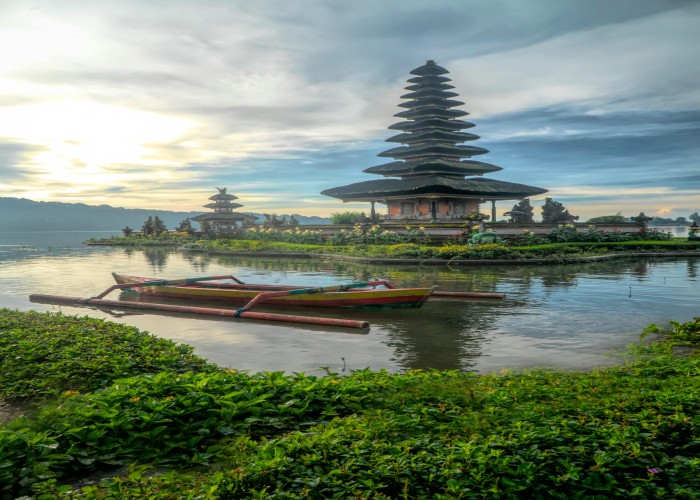
Some places seem to exist only in travel dreams until you discover they’re very real. Bali is one of those destinations. Its stunning beaches, emerald-green rice terraces, ancient temples, colorful ceremonies, and welcoming atmosphere have inspired millions of travelers, photographers, digital creators, and culture enthusiasts. Yet one of the most common questions people still ask before planning a trip is simple: where is Bali?
The answer goes beyond pointing to a spot on a map. Bali is an Indonesian island with a unique identity shaped by centuries of history, deep-rooted traditions, remarkable landscapes, and a lifestyle that blends spirituality with modern tourism. Whether you’re considering your first international holiday, researching Southeast Asia, or simply curious about what makes this island so admired, understanding Bali’s location is the first step toward appreciating why it continues to captivate visitors from every corner of the world.
In 2026, Bali remains one of Asia’s most searched travel destinations, attracting everyone from adventure seekers and families to honeymooners, remote workers, wellness travelers, and cultural explorers. Its appeal isn’t based on a single attraction. Instead, it offers a rare combination of natural beauty, vibrant local traditions, world-class hospitality, and experiences that feel both exciting and deeply personal.
This guide explores exactly where Bali is, why its location matters, and how its geography, culture, and way of life have made it one of the world’s most beloved islands.
Where Is Bali Located?
Bali is an island in Indonesia, the world’s largest archipelago, which consists of more than 17,000 islands spread across Southeast Asia. Bali lies between the islands of Java to the west and Lombok to the east, making it part of Indonesia’s Lesser Sunda Islands.
Although many people refer to Bali as if it were an independent country, it is actually one of Indonesia’s 38 provinces. Despite sharing national governance with the rest of Indonesia, Bali has developed a distinct cultural identity that sets it apart from many other regions.
Its position in Southeast Asia places it within a region known for tropical climates, volcanic landscapes, rich biodiversity, and diverse cultures. This location allows travelers to combine a Bali vacation with visits to other Indonesian islands or neighboring countries such as Singapore, Malaysia, and Thailand.
Bali’s Geographic Highlights
- Located in Southeast Asia
- Part of the Republic of Indonesia
- Between Java and Lombok islands
- Surrounded by the Indian Ocean and the Bali Sea
- Approximately 5,780 square kilometers in area
- Tropical climate throughout the year
This strategic location has made Bali an important cultural and trading center for centuries while also contributing to its popularity as an international tourism destination today.
Why Bali’s Location Makes It Special
Geography has played a major role in shaping everything people love about Bali today. The island’s volcanic origins created fertile soil, making agriculture flourish for generations. Its coastal position provides beautiful beaches with dramatically different characteristics depending on which side of the island you visit.
Instead of offering one type of landscape, Bali packs extraordinary diversity into a relatively small area. Travelers can begin the morning watching sunrise from a volcano, spend the afternoon exploring waterfalls hidden within tropical forests, and end the evening enjoying a sunset along the coast.
This variety is one reason visitors often extend their stay after realizing how much there is to experience beyond the beaches.
A Perfect Blend of Nature
Bali’s geography creates remarkable contrasts.
Mountains and Volcanoes
The central region features volcanic peaks that influence both the island’s scenery and agriculture. These mountains help produce cooler temperatures compared to the coastal areas, making them popular destinations for hiking and sightseeing.
Morning mist covering the highlands creates landscapes that feel entirely different from Bali’s famous beaches.
Tropical Forests
Dense forests provide habitats for diverse wildlife while also protecting important watersheds. Many waterfalls originate from these elevated regions, offering peaceful escapes from the busier tourist hubs.
Nature lovers often discover that Bali’s inland attractions become some of their favorite memories.
Rice Terraces
The island’s volcanic soil and carefully designed irrigation systems have supported rice cultivation for centuries. Layered rice terraces not only provide food but also represent an enduring example of harmony between communities and nature.
These landscapes have become iconic symbols of Bali’s rural beauty.
Coastlines for Every Traveler
Different coastlines offer different experiences.
Some beaches are ideal for swimming and family holidays.
Others attract surfers seeking consistent waves.
Several coastal areas feature dramatic cliffs overlooking the ocean, creating unforgettable viewpoints for photography and sunset watching.
This diversity means visitors rarely experience the same type of beach twice during their journey.
Is Bali a Country or Part of Indonesia?
One of the most frequently searched travel questions is whether Bali is its own country.
The answer is straightforward: Bali is not a country. It is one of Indonesia’s provinces.
This misunderstanding is understandable because Bali enjoys global recognition that often rivals entire countries. Many travelers hear about Bali long before they become familiar with Indonesia itself.
However, Bali shares Indonesia’s:
- National government
- Currency
- Passport regulations
- Immigration policies
- Official language (Bahasa Indonesia)
At the same time, Bali maintains traditions and customs that give it a distinctive identity within Indonesia.
This balance between national unity and regional uniqueness is one of the reasons the island feels culturally rich without losing its accessibility for international visitors.
What Makes Bali Different from Other Indonesian Islands?
Indonesia is incredibly diverse, with hundreds of ethnic groups, languages, and traditions spread across thousands of islands.
Bali stands out because of several unique characteristics.
A Strong Cultural Identity
Balinese traditions remain visible in everyday life rather than existing only for tourism.
Daily offerings placed outside homes and businesses.
Community temple ceremonies.
Traditional dance performances.
Local festivals.
These customs continue because they are meaningful parts of local life.
Visitors are witnessing living traditions rather than staged attractions.
Hindu Heritage
While Indonesia has a Muslim-majority population overall, Bali is predominantly Hindu.
This cultural distinction influences:
- Architecture
- Festivals
- Temple designs
- Traditional arts
- Daily rituals
- Community celebrations
It creates an atmosphere unlike anywhere else in Southeast Asia.
Community-Centered Living
Many villages continue to organize social life around long-standing community structures.
Religious ceremonies, local celebrations, and neighborhood cooperation remain important parts of Balinese society.
This strong sense of community often leaves a lasting impression on travelers looking for experiences that feel authentic rather than commercial.
Understanding Bali’s Climate Before You Visit
Knowing where Bali is also helps explain its weather.
Because the island sits close to the equator, it enjoys a tropical climate with warm temperatures throughout the year.
Rather than four distinct seasons, Bali generally experiences two main weather patterns.
Dry Season
Typically extending from around April through October, the dry season brings:
- Lower humidity
- More sunshine
- Pleasant outdoor conditions
- Popular beach weather
- Excellent hiking opportunities
This period is often considered ideal for first-time visitors planning outdoor adventures.
Wet Season
Usually occurring from approximately November through March, the wet season includes:
- Tropical rain showers
- Greener landscapes
- Fewer crowds in some destinations
- Refreshing mornings after rainfall
Rain rarely falls continuously throughout the day. Instead, showers often arrive in shorter bursts before sunshine returns.
Many experienced travelers enjoy visiting during this period because Bali’s forests, rice terraces, and waterfalls appear especially vibrant after rainfall.
Weather patterns naturally vary from year to year, so checking the latest local forecast before traveling is always recommended.
How Bali Became One of the World’s Most Loved Destinations
Beautiful islands exist across the globe, yet Bali occupies a unique place in international travel. Its popularity isn’t built solely on picturesque beaches or luxury resorts. Instead, it reflects a combination of accessibility, cultural depth, natural diversity, and memorable experiences that appeal to many different types of travelers.
Unlike destinations that cater primarily to one style of vacation, Bali offers something meaningful whether someone is seeking adventure, relaxation, cultural discovery, wellness, or family-friendly activities. This versatility has helped the island remain relevant through changing travel trends while continuing to attract first-time visitors and returning guests alike.
The Rich Culture That Gives Bali Its Soul
Many destinations impress visitors with beautiful scenery, but Bali leaves a lasting impression because of its living culture. The island’s traditions are woven into everyday life rather than reserved for museums or special performances. From the moment you arrive, you’ll notice small offerings placed outside homes and businesses, temple ceremonies taking place throughout the day, and a genuine respect for community and spirituality.
This cultural authenticity is one of the biggest reasons people return to Bali again and again. Travelers often discover that the island feels less like a tourist destination and more like a place with its own rhythm and identity.
Everyday Traditions You Can Observe
Balinese culture is built around values such as harmony, gratitude, and balance. While visitors don’t need to understand every tradition in detail, appreciating local customs makes the experience far more meaningful.
Some traditions you’ll commonly encounter include:
- Daily flower offerings placed in temples, homes, and shops
- Traditional dance performances during festivals and cultural events
- Community ceremonies that bring neighborhoods together
- Intricately decorated temples that remain active places of worship
- Respectful dress practices when visiting sacred sites
These customs aren’t staged specifically for tourists. They’re part of everyday life, giving visitors an opportunity to experience a culture that has been preserved across generations.
Art and Creativity Everywhere
Creativity is deeply rooted in Balinese life. Across the island, you’ll find talented artisans producing handcrafted goods using skills passed down through families.
Popular traditional crafts include:
- Wood carving
- Stone sculpture
- Silver jewelry
- Batik textiles
- Handwoven baskets
- Traditional paintings
Rather than being limited to galleries, these artistic traditions are visible in homes, temples, markets, and village workshops.
For many travelers, meeting local artists becomes one of the most memorable parts of their journey.
The Landscapes That Keep Visitors Exploring
One reason Bali appeals to such a wide range of travelers is the incredible variety of scenery packed into a relatively compact island. Every region offers something different, making it easy to combine multiple experiences during one trip.
Beautiful Beaches
Bali’s coastline offers far more than soft sand and ocean views.
Some beaches are known for calm waters that suit families and casual swimmers.
Others attract surfers from around the world thanks to reliable waves.
Certain stretches of coastline feature dramatic cliffs overlooking the Indian Ocean, creating spectacular viewpoints, especially around sunset.
Instead of trying to find the “best” beach, many visitors enjoy exploring several coastal areas because each has its own atmosphere.
Lush Rice Terraces
The island’s rice terraces are among its most recognizable landscapes.
These carefully designed agricultural systems reflect centuries of knowledge about water management and farming. Walking through these green terraces provides a peaceful contrast to busier tourist areas while offering insight into Bali’s rural traditions.
The changing colors throughout the growing season also mean that the scenery can look different depending on when you visit.
Majestic Waterfalls
Hidden among forests and hills are numerous waterfalls, each with its own character.
Some require only a short walk.
Others involve scenic jungle hikes that reward visitors with peaceful natural surroundings.
Many travelers appreciate these locations because they showcase a quieter side of Bali away from crowded beaches.
Volcanic Mountains
Bali’s volcanic landscape is central to both its geography and culture.
Mountain viewpoints offer breathtaking sunrise experiences, while surrounding highlands provide cooler temperatures and beautiful panoramic scenery.
Even travelers who don’t plan challenging hikes often enjoy visiting these elevated regions simply for the dramatic landscapes.
Why Different Types of Travelers Love Bali
One of Bali’s greatest strengths is its ability to appeal to many different interests without losing its identity.
Couples
Many couples choose Bali for:
- Romantic sunsets
- Private villas
- Scenic dining experiences
- Peaceful beaches
- Relaxing spa treatments
The island offers countless opportunities to celebrate anniversaries, honeymoons, or simply spend quality time together.
Families
Families often appreciate Bali because it combines entertainment with cultural learning.
Children can enjoy:
- Nature parks
- Beaches
- Wildlife experiences
- Traditional performances
- Outdoor adventures
Meanwhile, parents benefit from a wide variety of accommodation and dining options.
Solo Travelers
Bali has become a welcoming destination for solo travelers thanks to its friendly atmosphere and active travel community.
Many visitors find it easy to join group tours, participate in workshops, or meet fellow travelers while exploring the island.
Adventure Seekers
Those looking for excitement have plenty of options, including:
- Surfing
- Hiking
- Snorkeling
- Scuba diving
- Cycling
- White-water rafting
The island’s varied landscapes allow adventure enthusiasts to enjoy multiple activities within a short distance.
Wellness Travelers
Bali has also earned international recognition for wellness-focused experiences.
Visitors often come to enjoy:
- Yoga retreats
- Meditation programs
- Healthy cuisine
- Nature-inspired relaxation
- Holistic wellness experiences
Rather than focusing solely on luxury, many wellness centers emphasize balance, mindfulness, and connection with nature.
Exploring Bali Beyond the Famous Tourist Spots
Many first-time visitors naturally include well-known attractions in their itinerary. However, some of Bali’s most rewarding experiences come from slowing down and exploring beyond the busiest destinations.
Discover Traditional Villages
Smaller villages often provide opportunities to observe daily Balinese life without large crowds.
Walking through local communities allows visitors to appreciate:
- Traditional architecture
- Local markets
- Community temples
- Artisan workshops
- Rural landscapes
These quieter experiences often create deeper cultural understanding.
Visit Local Markets
Traditional markets reveal another side of Bali.
Fresh fruits, vegetables, spices, flowers, handcrafted items, and local snacks create a lively atmosphere that reflects everyday island life.
Browsing these markets can be just as memorable as visiting famous landmarks.
Enjoy Scenic Drives
Because Bali is relatively compact, driving through different regions quickly reveals changing scenery.
Within a single day, travelers may pass:
- Coastal villages
- Rice fields
- Mountain roads
- Forest landscapes
- Traditional communities
These journeys often become highlights in themselves rather than simply transportation between attractions.
A Taste of Balinese Cuisine
Food plays an important role in understanding any destination, and Bali offers a rich culinary tradition influenced by local ingredients, regional recipes, and Indonesian flavors.
Rather than relying solely on international restaurants, many travelers discover that trying local dishes adds another layer to the overall experience.
Common Ingredients
Balinese cooking frequently features:
- Fresh vegetables
- Rice
- Coconut
- Herbs
- Aromatic spices
- Peanuts
- Tropical fruits
These ingredients create meals that are both flavorful and diverse.
Traditional Dishes Worth Trying
Visitors often enjoy exploring authentic local cuisine through dishes such as:
- Nasi Goreng
- Mie Goreng
- Satay
- Babi Guling (where culturally appropriate and based on dietary preferences)
- Lawar
- Fresh tropical fruit desserts
Many restaurants also offer vegetarian and plant-based variations, reflecting Bali’s growing wellness and international travel community.
Coffee Culture
Bali has developed an increasingly vibrant café culture over the years.
Alongside traditional Indonesian coffee, travelers can find specialty coffee shops, locally roasted beans, and cafés that combine quality beverages with scenic surroundings.
Whether someone prefers a simple local brew or a modern espresso, Bali offers options to suit different tastes.
Sustainable Tourism Is Becoming More Important
As Bali continues welcoming millions of visitors, sustainable travel has become an increasingly important topic. Local communities, tourism businesses, and travelers all play a role in protecting the island’s natural beauty and cultural heritage.
Responsible tourism isn’t about limiting enjoyment. Instead, it encourages thoughtful choices that help preserve Bali for future generations.
Simple Ways Travelers Can Help
Visitors can support responsible tourism by:
- Respecting local customs and temple etiquette
- Avoiding littering in natural areas
- Carrying a reusable water bottle where practical
- Supporting locally owned businesses and artisans
- Following marked trails during outdoor activities
- Being mindful when photographing religious ceremonies
Small actions collectively make a meaningful difference while also showing respect for the communities that welcome visitors.
Balancing Tourism and Local Life
Bali continues adapting to the opportunities and challenges created by international tourism.
In recent years, greater attention has been given to:
- Environmental conservation
- Responsible visitor behavior
- Waste management initiatives
- Protection of cultural heritage
- Sustainable hospitality practices
Travelers who approach Bali with curiosity, respect, and cultural awareness often enjoy richer experiences while contributing positively to the destinations they visit.
Modern Bali: Blending Tradition With Contemporary Living
Although Bali is famous for its ancient temples and long-standing traditions, it is also a modern destination that continues to evolve.
Today’s Bali offers:
- Reliable hospitality infrastructure
- International dining alongside local cuisine
- Coworking spaces for remote professionals
- Improved transportation options
- Wellness centers
- Art galleries
- Cultural festivals
- Modern shopping areas
What makes Bali remarkable is not that it has remained unchanged, but that it has managed to embrace modern tourism while preserving much of its cultural identity.
Visitors can spend the morning attending a traditional cultural performance, enjoy locally prepared cuisine for lunch, work remotely from a contemporary coworking space in the afternoon, and finish the day watching the sunset from a quiet beach.
This balance between heritage and modern convenience is one of the qualities that continues to attract travelers from around the world.
Practical Tips for First-Time Visitors
Whether you’re planning your first trip or simply learning more about the island, a little preparation can make your Bali experience smoother and more enjoyable.
Respect Local Customs
Balinese culture is known for its warmth and hospitality, and visitors are encouraged to show the same respect in return.
A few simple practices go a long way:
- Wear modest clothing when visiting temples.
- Follow local guidance during religious ceremonies.
- Avoid stepping on or disturbing daily offerings placed on sidewalks or entrances.
- Ask permission before taking close-up photographs of people or sacred events.
Respecting local traditions not only demonstrates good manners but also helps you experience Bali in a more meaningful way.
Pack for a Tropical Climate
Since Bali enjoys warm weather throughout the year, lightweight clothing is generally the most comfortable choice.
Useful items include:
- Breathable clothing
- Comfortable walking shoes
- A reusable water bottle
- Sun protection such as a hat and sunscreen
- A lightweight rain jacket during the wetter months
- Insect repellent for outdoor activities
Packing thoughtfully allows you to enjoy everything from beach days to mountain excursions without unnecessary discomfort.
Slow Down and Explore
One common mistake first-time visitors make is trying to see everything in just a few days.
Instead, consider spending more time in fewer places. Slower travel allows you to appreciate local neighborhoods, enjoy conversations with residents, discover hidden cafés, and experience Bali beyond its most photographed landmarks.
Often, the most memorable travel moments are the unplanned ones.
Why Bali Continues to Captivate the World
When people ask why Bali is so popular, there isn’t a single answer. Its enduring appeal comes from the way many exceptional qualities come together in one destination.
A Rare Combination of Experiences
Few places offer such a wide variety of experiences within a relatively small area.
In one trip, you can enjoy:
- Tropical beaches
- Volcanic landscapes
- Ancient temples
- Traditional villages
- Vibrant local markets
- Scenic rice terraces
- Adventure activities
- Wellness experiences
- Contemporary cafés and creative spaces
This diversity means that every traveler can shape a journey that reflects their own interests.
Genuine Hospitality
Visitors often remember the people of Bali just as much as the scenery.
Warm greetings, community spirit, and a welcoming attitude help create experiences that feel personal rather than transactional. While every travel experience is unique, many visitors describe the friendliness of local communities as one of the island’s greatest strengths.
A Destination That Encourages Reflection
Unlike destinations focused solely on sightseeing, Bali naturally invites visitors to slow down.
Whether you’re watching the sunrise over a mountain, listening to waves at sunset, exploring a quiet temple courtyard, or walking through peaceful rice fields, the island offers countless opportunities to pause and appreciate your surroundings.
For many travelers, this slower pace becomes just as valuable as the attractions themselves.
Constantly Evolving While Protecting Its Identity
Tourism trends continue to change, but Bali has shown an impressive ability to adapt without losing the qualities that made it famous.
The island continues to embrace:
- Sustainable tourism initiatives
- Creative entrepreneurship
- Improved visitor experiences
- Digital connectivity
- Wellness-focused travel
- Cultural preservation
This balance between progress and tradition helps Bali remain relevant to modern travelers while maintaining its unique character.
Common Myths About Bali
Before visiting, it’s helpful to separate fact from fiction.
Myth: Bali Is a Country
Reality: Bali is a province of Indonesia, not an independent country.
Myth: Bali Is Only About Beaches
Reality: Beaches are only one part of the experience. Mountains, forests, waterfalls, temples, villages, art, and local traditions offer just as much to explore.
Myth: Bali Is Only for Luxury Travelers
Reality: Bali welcomes a wide range of budgets. Travelers can choose from affordable guesthouses, mid-range accommodations, and luxury resorts depending on their preferences.
Myth: A Few Days Are Enough
Reality: While short visits can be enjoyable, many travelers discover there’s much more to experience beyond the most popular attractions.
Frequently Asked Questions
Where is Bali located?
Bali is an island province of Indonesia in Southeast Asia. It lies between the islands of Java and Lombok and is part of the Lesser Sunda Islands.
Is Bali a country?
No. Bali is not a country. It is one of Indonesia’s provinces and follows Indonesian national laws, currency, and immigration regulations.
Why is Bali so famous?
Bali is known for its beautiful landscapes, rich cultural heritage, welcoming communities, tropical climate, traditional temples, rice terraces, beaches, wellness experiences, and diverse travel opportunities.
What language do people speak in Bali?
The official national language is Bahasa Indonesia. Many residents also speak Balinese, and English is widely used in areas that receive international visitors.
What is the best time to visit Bali?
Many travelers prefer the dry season, generally from April to October, for outdoor activities and sightseeing. However, the wetter months can also offer lush scenery, fewer crowds in some areas, and enjoyable travel experiences.
Is Bali suitable for families?
Yes. Bali offers attractions for visitors of different ages, including beaches, cultural performances, wildlife experiences, nature parks, outdoor adventures, and family-friendly accommodations.
Do I need to respect local customs?
Absolutely. Respecting local traditions, temple etiquette, dress guidelines, and community practices helps create positive experiences for both visitors and local residents.
What makes Bali different from other tropical islands?
Bali combines stunning natural beauty with a deeply rooted living culture. Rather than being known only for beaches, it offers spirituality, art, traditional ceremonies, agriculture, adventure, wellness, and modern hospitality within one destination.
Understanding where Bali is is only the beginning of discovering what makes this remarkable island so special. Located in the heart of Indonesia, Bali has earned worldwide admiration not simply because of its beaches or scenic landscapes, but because of the harmony it creates between nature, culture, tradition, and modern living.
From lush rice terraces and volcanic mountains to centuries-old temples and welcoming communities, every part of the island tells a story. Travelers arrive with different expectations—some seeking adventure, others relaxation, cultural discovery, or personal reflection—but many leave with the same feeling: Bali offers experiences that remain memorable long after the journey ends.
As travel continues to evolve in 2026, Bali remains a destination that rewards curiosity, respect, and thoughtful exploration. Whether you’re planning your first visit or simply expanding your knowledge of Southeast Asia, understanding the island’s location, heritage, and unique character provides a deeper appreciation for why it continues to captivate people from around the globe.
Disclaimer: This article is intended for general informational and educational purposes only. Travel regulations, visa requirements, weather conditions, transportation services, and local guidelines may change over time. Always verify the latest official travel information and respect local laws, customs, and cultural practices before planning your visit.





Leave a Reply