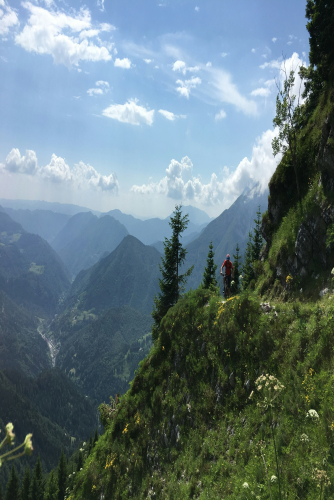
Overview: Exploring Germany’s Enchanted Forest
Nestled between Bavaria and Hesse, the Spessart region is one of Germany’s most captivating forest landscapes, known for its mysterious woodlands, medieval legends, and serene hiking trails. The name “Spessart” itself evokes the idea of “woodpecker forests,” and this is exactly what you’ll find here—dense oak and beech woods, rolling hills, and centuries-old villages. Spessart hiking (Magical Spessart region), Tour & Trek.
Spessart is often called the “magical forest of Germany” due to its deep-rooted folklore and natural charm. With more than 1,500 kilometers of marked hiking routes, the area is a paradise for nature lovers, birdwatchers, and trekking enthusiasts who seek peace and authenticity away from crowded tourist paths.
The region offers a diverse hiking experience—ranging from gentle forest paths to challenging ridge trails. Its combination of nature, history, and cultural richness makes it one of the most rewarding hiking destinations in central Europe.
Best Time to Visit
The Spessart region is beautiful throughout the year, but the best time for hiking depends on what you want to experience:
- Spring (April to June): Wildflowers bloom across the meadows, and the forests are fresh and green. Ideal temperatures make it perfect for day hikes.
- Summer (July to September): Warm and vibrant with long daylight hours, though some trails can be busy near popular villages.
- Autumn (October to November): The forest transforms into a masterpiece of red, gold, and amber hues. Excellent time for photography and comfortable trekking weather.
- Winter (December to February): Quiet and mystical atmosphere. Some trails remain open for winter hikes or snowshoe walks.
For most visitors, late spring to early autumn offers the most pleasant hiking conditions.
How to Reach the Spessart Region
The Spessart is well-connected to major German cities, making it easily accessible by train, road, or air.
- By Train: Regular regional trains connect Frankfurt, Würzburg, and Aschaffenburg to small towns around Spessart like Lohr am Main, Heigenbrücken, and Gemünden.
- By Road: The A3 motorway runs along the northern edge of the Spessart, with several exits leading into scenic valleys and trailheads. Car rentals are available from nearby cities.
- By Air: The nearest major airport is Frankfurt International Airport, about 70 kilometers away. From there, travelers can take a direct train or drive to reach the heart of Spessart.
Once you arrive, local bus routes and walking trails are well-marked and easily navigable.
Entry Fees and Permits
Most hiking trails in the Spessart region are free of charge and do not require special permits.
However, fees may apply for:
- Parking in designated areas near trailheads.
- Guided tours or nature parks within the Bayerischer Spessart Nature Park.
Entry regulations are subject to change, so it’s advisable to check local visitor information before planning your route. Spessart hiking (Magical Spessart region), Tour & Trek.
Food Availability and Meal Options
One of the pleasures of hiking in Spessart is the chance to enjoy authentic Franconian and Bavarian cuisine along the way. Many villages have traditional inns, bakeries, and guesthouses serving hearty local dishes.
Common options include:
- Mountain huts and forest taverns offering soups, sausages, and pretzels.
- Local bakeries with fresh bread, pastries, and sandwiches.
- Farm-to-table guesthouses serving regional specialties like venison stew, mushroom dishes, or apple cider.
For long-distance hikes, it’s best to carry snacks and water, especially in remote forest stretches where restaurants may be far apart.
Packing List and Essentials
The Spessart region combines forested hills, river valleys, and open meadows, so packing appropriately ensures comfort and safety.
Essentials include:
- Lightweight hiking boots with good grip.
- Weather-resistant clothing (preferably in layers).
- Refillable water bottle or hydration pack.
- Trail map or GPS-enabled hiking app.
- Basic first-aid kit and insect repellent.
- Energy bars or fruit for quick snacks.
- Rain jacket or poncho (weather can change quickly).
- Camera or smartphone for capturing scenic views.
For multi-day hikes, add a light backpack, trekking poles, and a small towel.
Safety Tips and Local Regulations
Hiking in the Spessart is generally safe, but being mindful of the natural environment is essential.
- Stick to marked trails: Many routes are signposted, but wandering off-trail can disturb wildlife and cause disorientation.
- Check weather forecasts: Sudden rain showers or fog can affect visibility in forested areas.
- Inform someone of your route: Especially if hiking solo or exploring less-traveled paths.
- Watch for wildlife: The forest is home to deer, foxes, and wild boars. Maintain distance and avoid feeding animals.
- Fire restrictions: Open fires are not allowed in most areas. Use designated picnic or grill zones only.
- Respect nature: Carry your waste back and avoid picking plants or mushrooms without permission.
Local rangers occasionally patrol nature reserves, ensuring trails remain well-maintained and visitors follow conservation rules. Spessart hiking (Magical Spessart region), Tour & Trek.
Tips for Beginners or First-Time Visitors
- Start with shorter circular trails such as those near Heigenbrücken or Lohr for an introduction to Spessart’s terrain.
- Wear comfortable hiking shoes—forest trails can be slippery after rain.
- Bring enough water; some remote stretches lack refill points.
- Use local trail markers (usually red, green, or white symbols) to avoid losing your way.
- Plan your route around available public transport stops for easy return trips.
- Start early in the day to make the most of daylight and avoid afternoon fatigue.
Local Customs and Cultural Etiquette
The Spessart lies within regions rich in Franconian and Bavarian traditions. Locals value politeness, environmental respect, and community spirit.
- Always greet fellow hikers with a friendly “Guten Tag” or “Servus.”
- Keep noise levels low—many visitors come for the tranquility.
- Respect private farmlands and property boundaries.
- Sunday is traditionally a rest day in rural areas; some shops and eateries may be closed.
- Tipping in restaurants (about 5–10%) is customary for good service.
Participating respectfully in these local customs enhances the overall hiking experience and connection with the region.
Frequently Asked Questions (FAQs)
Q1: How long is the Spessart hiking trail network?
The Spessart region offers over 1,500 kilometers of marked hiking routes, ranging from short half-day walks to multi-day treks.
Q2: What is the difficulty level of Spessart hikes?
Most trails are easy to moderate, suitable for beginners and families. Some ridge paths involve moderate ascents and longer distances.
Q3: How high are the Spessart hills?
The highest point, Geiersberg, reaches about 586 meters above sea level, offering panoramic views of the surrounding forest.
Q4: Are restrooms available on the trails?
Restrooms are available in villages, inns, and visitor centers along popular routes. Remote forest sections may not have facilities.
Q5: Can I camp in the Spessart forest?
Wild camping is not permitted, but there are designated camping areas and eco-lodges nearby.
Q6: Is the Spessart suitable for cycling or e-biking?
Yes, many trails are shared with cycling routes, and bike rentals are available in nearby towns.
Q7: Are pets allowed on hiking trails?
Leashed dogs are welcome on most paths, provided owners clean up after them and keep them under control.
Q8: What is the typical duration of a Spessart trek?
Day hikes last 2–6 hours, while multi-day treks, like the Spessartweg, take 4–6 days depending on the route.
Final Thoughts
The Magical Spessart Region offers a perfect mix of mystery, nature, and cultural depth. From thick beech forests and ancient legends to scenic ridge walks and tranquil streams, this area captures the essence of rural Germany.






Leave a Reply