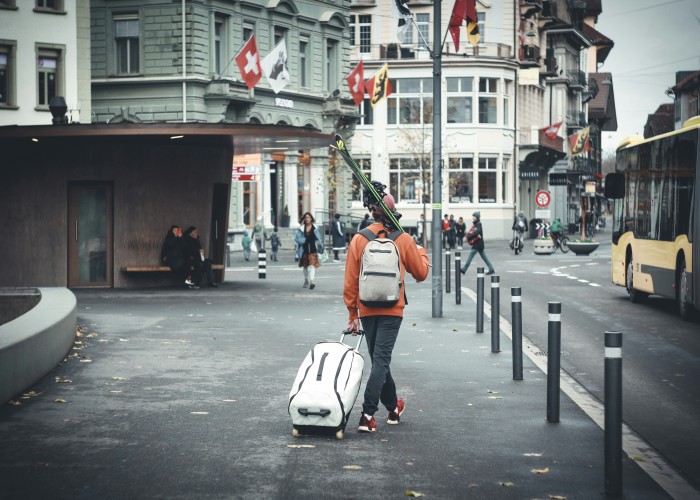
Travel used to be about ticking boxes. One city today, another tomorrow, photos taken quickly, memories rushed. The slow travel movement challenges that mindset. It invites travelers to pause, stay longer, and truly connect with the places they visit. Slow Travel Movement Explained.
This guide explains the slow travel movement in a clear, practical, and human way. It is designed for global readers who value meaningful experiences, sustainability, and deeper cultural understanding.
What Is the Slow Travel Movement
The slow travel movement is a travel philosophy that focuses on quality over quantity. Instead of visiting many destinations in a short time, slow travelers spend more time in fewer places.
At its core, slow travel encourages
- Deeper cultural immersion
- Reduced environmental impact
- Mindful and relaxed travel pacing
- Authentic local experiences
It is about traveling with intention, not rushing through itineraries.
The Origins of Slow Travel
Slow travel grew from the broader slow living movement. As people began questioning fast food, fast fashion, and busy lifestyles, travel followed the same path.
Key influences behind slow travel include
- Desire for sustainable tourism
- Growing awareness of travel fatigue
- Interest in local cultures and traditions
- Search for personal well being through travel
Slow travel is not new, but its relevance has never been stronger.
Why the Slow Travel Movement Is Gaining Popularity
More travelers are choosing slow travel because it aligns with modern values.
Major reasons for its growth
- Increased focus on mental health and balance
- Greater concern for climate and sustainability
- Remote work enabling longer stays
- Desire for meaningful connections over surface experiences
Slow travel feels more human in a fast world.
Slow Travel vs Traditional Fast Travel
Understanding the difference helps clarify the movement.
Fast travel often involves
- Tight schedules
- Frequent flights or transport changes
- Limited interaction with locals
- Surface level experiences
Slow travel focuses on
- Fewer destinations
- Longer stays
- Walking local transport and daily routines
- Deeper understanding of place
Neither is wrong, but slow travel offers a different kind of richness. Slow Travel Movement Explained.
Key Principles of the Slow Travel Movement
Slow travel is guided by a few simple but powerful principles.
Time Over Distance
Spending more time in one place allows genuine exploration.
Local Connection
Engaging with local culture food and daily life matters.
Mindful Transportation
Choosing slower and lower impact transport when possible.
Simplicity
Letting go of packed schedules and embracing flexibility.
These principles shape how slow travelers move and experience the world.
How Slow Travel Enhances Cultural Understanding
Staying longer naturally leads to stronger cultural awareness.
Slow travelers often
- Learn basic local language phrases
- Shop at neighborhood markets
- Participate in community events
- Observe everyday life beyond tourist areas
Culture reveals itself gradually, not instantly.
The Environmental Benefits of Slow Travel
Slow travel is closely linked with sustainable tourism.
Environmental advantages include
- Fewer flights and reduced emissions
- Support for local businesses
- Less pressure on overcrowded attractions
- More respect for natural environments
Travel becomes more responsible and balanced.
Slow Travel and Mental Well Being
Many travelers discover that slow travel feels calmer and more fulfilling.
Mental health benefits include
- Reduced travel stress
- Better sleep and relaxation
- Stronger sense of presence
- Space for reflection and creativity
Slow travel turns a trip into a restorative experience. Slow Travel Movement Explained.
Who Is Slow Travel Best For
Slow travel suits a wide range of travelers.
It is ideal for
- Remote workers and digital nomads
- Retirees or long term travelers
- Families seeking meaningful vacations
- Anyone feeling tired of rushed trips
You do not need unlimited time to travel slowly.
How to Practice Slow Travel Anywhere
Slow travel is flexible and adaptable.
Simple ways to start
- Choose one destination instead of many
- Stay in one neighborhood longer
- Walk or use local transport
- Eat where locals eat
- Leave space in your schedule
Even short trips can be slow in spirit.
Slow Travel Destinations That Work Well
Certain places naturally suit slow travel.
Common characteristics
- Walkable towns or cities
- Strong local culture
- Access to nature
- Community focused lifestyle
However, slow travel can happen anywhere with the right mindset.
Accommodation Choices for Slow Travelers
Where you stay matters.
Slow travelers often prefer
- Long stay rentals
- Guesthouses or homestays
- Small locally owned accommodations
These options encourage connection and comfort.
Food and Slow Travel
Food is central to the slow travel experience.
Slow travelers enjoy
- Local seasonal dishes
- Traditional cooking methods
- Markets and small eateries
- Cooking at home with local ingredients
Meals become moments, not just stops.
Work and Slow Travel
Remote work has made slow travel more accessible.
Benefits of combining work and slow travel
- Stable routines in new places
- Deeper local integration
- Balanced work life experience
Many professionals now travel while maintaining productivity.
Slow Travel for Families
Families often find slow travel more enjoyable.
Why it works well
- Less rushing reduces stress
- Children adapt better to routines
- Educational cultural exposure
- More meaningful shared time
Slow travel supports learning through experience.
Common Myths About Slow Travel
There are a few misunderstandings worth clearing.
Myth One Slow Travel Is Expensive
Longer stays often reduce daily costs.
Myth Two You Need Months of Free Time
Even a week can be slow if planned well.
Myth Three Slow Travel Is Boring
Depth often brings richer experiences than constant movement.
Slow travel is flexible, not restrictive.
How Slow Travel Supports Local Communities
Slow travel strengthens local economies.
Positive impacts include
- Supporting small businesses
- Encouraging cultural preservation
- Reducing seasonal tourism pressure
Travel becomes a partnership rather than consumption.
Technology and Slow Travel
Technology can support slow travel when used mindfully.
Helpful uses include
- Navigation and translation tools
- Remote work access
- Cultural learning resources
The goal is balance, not digital overload.
The Future of the Slow Travel Movement
Slow travel is shaping the future of tourism.
Emerging trends include
- Longer average stays
- Growth in work travel lifestyles
- Increased focus on sustainability
- More community based travel models
The movement reflects a deeper shift in how people value time.
High Search FAQs for Slow Travel Movement Explained
What does slow travel mean
Slow travel means spending more time in fewer places for deeper experiences.
Is slow travel better for the environment
Yes it often reduces emissions and supports sustainable tourism.
Can slow travel work for short trips
Yes slowing the pace matters more than trip length.
Is slow travel suitable for families
Yes it reduces stress and offers educational experiences for children.
How do I start slow travel
Choose fewer destinations stay longer and engage with local life.
Final Thoughts on the Slow Travel Movement
The slow travel movement is not about traveling less. It is about traveling better. By slowing down, travelers gain richer memories, stronger connections, and a more balanced experience.





Leave a Reply