Overview: A Walk Through Germany’s Storybook Landscape
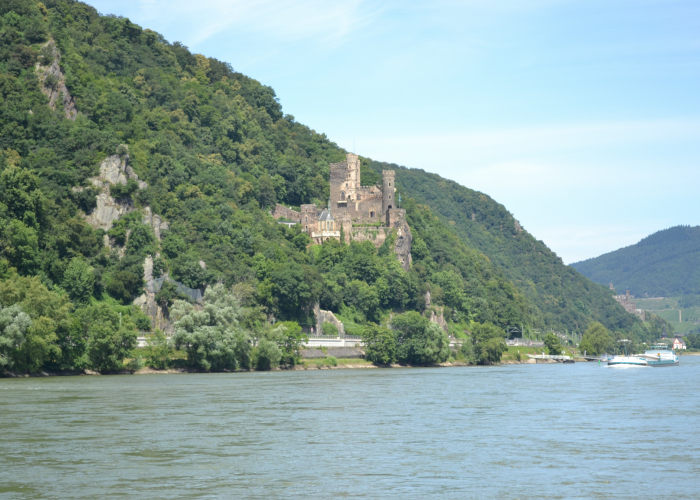
The Rhine Valley walking tours take travelers through one of the most enchanting regions in Germany. Stretching between Bingen and Koblenz, this UNESCO World Heritage-listed valley is a mosaic of medieval castles, terraced vineyards, charming villages, and the gently flowing Rhine River. Rhine Valley walking tours with castles, Tour & Trek.
The region’s walking trails weave through historic fortresses and riverside paths, offering breathtaking views and glimpses of centuries-old culture. With more than 40 castles and ruins scattered along its slopes, the Rhine Valley is often called Germany’s Castle Road.
These walking tours are designed for all levels of hikers, from easy riverside strolls to moderate hill trails. One of the most popular routes is the Rheinsteig Trail, which runs for over 300 kilometers along the east bank of the river. Each step offers a postcard-perfect view of vineyard-covered hills, half-timbered houses, and ancient stone towers.
Whether you’re drawn by the romance of fairytale castles, the taste of local wines, or the peaceful beauty of riverside paths, the Rhine Valley promises a truly memorable experience.
Best Time to Visit
The Rhine Valley can be explored year-round, but some seasons stand out for the best conditions and atmosphere:
- Spring (April to June): Wildflowers bloom across the hillsides, and the weather is ideal for long walks.
- Summer (July to September): Expect lush vineyards, lively festivals, and the warmest climate—perfect for combining hikes with river cruises.
- Autumn (October): The vineyards glow in gold and red hues, making this the most photogenic time for walking tours.
- Winter (November to February): Quieter months with fewer crowds, though some trails may be slippery or partially closed.
For most travelers, May to October offers the best mix of good weather, open trails, and active local life.
How to Reach the Rhine Valley
The Rhine Valley is easily accessible from major cities in Germany and Europe.
- By Air: The nearest major airports are Frankfurt Airport (FRA) and Cologne Bonn Airport (CGN). Both are well connected to nearby towns by train.
- By Train: Frequent regional trains run along both sides of the Rhine, connecting cities like Koblenz, Boppard, Bacharach, Rüdesheim, and Bingen. The scenic train routes make the journey itself enjoyable.
- By Road: The valley is accessible via the A61 and B9 highways, ideal for travelers driving or joining group tours.
- By Boat: Many visitors mix walking and river cruising by taking short ferry trips between towns.
Once you’re in the region, local trains and ferries make it easy to explore multiple segments of the walking routes without retracing steps.
Entry Fees and Permits
Walking in the Rhine Valley is mostly free, but certain attractions along the way may charge entry fees.
- Trail access: No permit or fee required for public hiking trails like the Rheinsteig or Rheinburgenweg.
- Castle visits: Entry fees usually range from €4 to €10 per castle (subject to change).
- Parking or shuttle fees: May apply if you start your walk from specific trailheads or tourist centers.
It’s best to carry some cash, as smaller historic sites may not accept cards. Rhine Valley walking tours with castles, Tour & Trek.
Food Availability and Meal Options
The Rhine Valley is famous for its culinary traditions, which blend German heartiness with regional flair. Whether you’re walking through villages or stopping at vineyards, food is always part of the journey.
What to expect along the route:
- Riverside restaurants and inns offering traditional dishes like schnitzel, sausages, and potato dumplings.
- Vineyard taverns (Weinstuben) where you can sample local wines paired with light snacks.
- Picnic spots along scenic viewpoints—perfect for those carrying packed lunches.
- Cafes in small towns serving cakes, pretzels, and coffee for quick breaks.
Many walking tours include or recommend stops at family-run inns, where hikers can enjoy authentic local meals and wines after a long day outdoors.
Packing List and Essentials
Proper preparation helps you make the most of your Rhine Valley trek. Pack light but smart:
Clothing and Gear:
- Comfortable walking shoes or lightweight hiking boots.
- Breathable clothes and layers for changing weather.
- Rain jacket or poncho, especially in spring or fall.
- Hat, sunglasses, and sunscreen for sunny days.
- Small daypack with essentials.
Other Essentials:
- Refillable water bottle.
- Local trail map or offline GPS app.
- Portable power bank.
- Snacks like nuts or energy bars.
- Camera or phone for photos.
If you’re walking between towns, lightweight travel bags are ideal. Some travelers use luggage transfer services offered by local accommodations.
Safety Tips and Local Regulations
Walking in the Rhine Valley is generally very safe, but keeping these precautions in mind ensures a smooth trip:
- Stay on marked trails: Paths are clearly signposted; leaving them may be unsafe, especially near vineyards or cliffs.
- Check weather forecasts: Sudden rain can make slopes slippery.
- Avoid night walks: Trails are not always lit after dark.
- Respect private property: Vineyards and farmland often border the trails.
- Carry cash: Small towns and ferry stations may not accept cards.
- Emergency numbers: Dial 112 in case of accidents or emergencies. Rhine Valley walking tours with castles, Tour & Trek.
Local authorities maintain the trails well, and there are frequent rest areas and information boards.
Tips for Beginners or First-Time Visitors
If this is your first walking tour in the Rhine Valley, a bit of planning goes a long way:
- Start with shorter sections: The Rheinsteig has day-friendly routes between towns like Rüdesheim and Lorch.
- Plan overnight stays: Staying in small villages allows you to explore at a relaxed pace.
- Use local ferries: Combine walking and short boat rides for variety and rest.
- Travel light: Avoid heavy backpacks; local inns often provide essentials.
- Stay hydrated: Refill bottles at cafes or public fountains.
- Wear comfortable shoes: Trails can be uneven, especially near castle ruins.
Walking in the Rhine Valley is more about enjoyment than endurance—take your time and soak in the history and scenery.
Local Customs and Cultural Etiquette
The Rhine Valley is steeped in history and tradition, and respecting local customs enhances your experience:
- Greetings: A friendly “Guten Tag” or “Hallo” when passing other hikers is appreciated.
- Quiet zones: Some rural areas value peace and quiet—keep noise levels low.
- Wine culture: Sampling local wine is a tradition, but always do so responsibly.
- Tipping: A 5–10% tip is customary in restaurants and cafes.
- Respect the environment: Dispose of litter properly and avoid picking flowers from vineyards or fields.
Locals are welcoming and proud of their region’s heritage, so a polite attitude goes a long way.
Frequently Asked Questions (FAQs)
Q1: How long is the Rhine Valley walking route?
The full Rheinsteig Trail runs about 320 kilometers, but many travelers walk shorter sections of 10–20 kilometers per day.
Q2: What is the difficulty level?
Moderate. The trails include both riverside paths and gentle uphill climbs near castles and vineyards.
Q3: How many castles can I see on the walk?
Depending on your route, you can pass or visit 10–20 castles in just a few days of walking.
Q4: Are restrooms available?
Yes, restrooms are available in most towns, train stations, and restaurants along the routes.
Q5: Is there any altitude involved?
The Rhine Valley trails generally stay below 400 meters, making them suitable for all fitness levels.
Q6: Can children join the walking tours?
Yes, family-friendly routes are common, especially near riverside towns like Bacharach and St. Goar.
Q7: Is English widely spoken?
In tourist areas, yes. Most accommodation providers and guides speak English.
Q8: Are guided tours available?
Yes, guided walking tours offer historical insights and pre-arranged routes with local experts.
Q9: What should I wear in summer?
Lightweight clothes, comfortable walking shoes, sun protection, and a hat.
Q10: Can I walk the Rhine Valley independently?
Absolutely. Trails are well-marked, and public transport makes it easy to navigate between towns.
Final Thoughts
The Rhine Valley walking tours with castles are among Europe’s most scenic and culturally rich outdoor experiences. Every step reveals a new perspective—whether it’s a castle perched on a hilltop, a quiet riverside village, or rows of vineyards glowing under the sun.






Leave a Reply