Overview: What is it, Where It’s Located, and Why It’s Famous
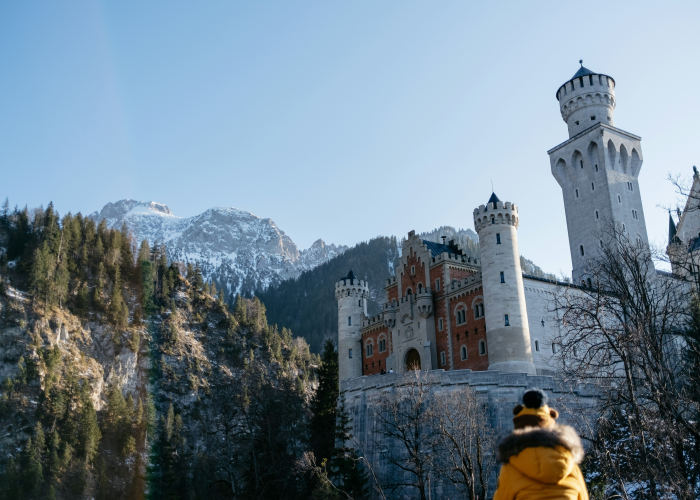
Neuschwanstein Castle, perched high above the Bavarian village of Hohenschwangau, is one of Germany’s most iconic landmarks. This fairy-tale fortress, designed under the direction of King Ludwig II in the late 19th century, inspired the famous Disney castle and continues to attract millions of visitors from around the world. Neuschwanstein Castle & King Ludwig scenic walks, Tour & Trek.
Set against the backdrop of the rugged Bavarian Alps and glistening lakes, Neuschwanstein offers not only a glimpse into royal history but also a paradise for nature lovers and hikers. The scenic walking trails surrounding the castle, known as King Ludwig’s scenic walks, connect visitors to breathtaking viewpoints, serene forests, and pristine alpine landscapes.
From short leisurely strolls to longer panoramic treks, the routes around Neuschwanstein Castle provide a blend of cultural exploration and outdoor adventure, making it one of the most rewarding day hikes in southern Germany.
Best Time to Visit
Neuschwanstein Castle and the surrounding walking trails can be enjoyed throughout the year, but each season offers a distinct experience:
- Spring (April–June): The meadows burst with wildflowers, and the weather is ideal for walking without summer crowds.
- Summer (July–August): Long daylight hours and lush greenery make this the peak hiking season. Early mornings are best for fewer tourists.
- Autumn (September–November): Crisp air and golden foliage create spectacular views of the castle and its surroundings.
- Winter (December–March): The snow-covered castle looks magical, though some trails may be icy or closed due to weather.
For photography and comfortable walking, late spring to early autumn is generally the best time to visit.
How to Reach
Neuschwanstein Castle is located near Füssen, close to Germany’s southern border with Austria, in the Bavarian region.
By Train:
From Munich, take a direct train to Füssen (around 2 hours). From Füssen station, local buses (lines 73 or 78) run regularly to Hohenschwangau village, where the walk to the castle begins.
By Road:
Visitors driving from Munich can reach Hohenschwangau in about 2 hours via the A7 and B17 highways. Parking is available near the ticket center in the village.
By Air:
The nearest airports are Munich Airport (approx. 160 km) and Memmingen Airport (approx. 85 km). From there, you can take a train or rent a car to reach Füssen.
Entry Fees and Permits
- Neuschwanstein Castle Entry: Around €18–€20 per adult (subject to change).
- Trail Access: Scenic walks around the castle are free of charge.
- Permits: No hiking permit is required. However, guided tours inside the castle require advance ticket booking.
(Prices and regulations may vary depending on season and maintenance schedules.)
Food Availability and Meal Options
Several cafés, restaurants, and bakeries are available in Hohenschwangau village and Füssen town, offering traditional Bavarian dishes such as pretzels, sausages, schnitzel, and apple strudel.
If you plan to trek the surrounding trails, it’s wise to carry:
- Bottled water
- Energy snacks or sandwiches
- Fresh fruits
- A thermos with tea or coffee in colder months
For scenic picnics, there are designated rest areas along the Marienbrücke (Mary’s Bridge) and Alpsee Lake trails that offer remarkable views.
Packing List and Essentials
Whether you’re taking a short castle walk or exploring the full King Ludwig trail, pack smartly for a comfortable trek:
- Lightweight hiking shoes or trail sneakers
- Weather-appropriate clothing (layered options are ideal)
- Water bottle and light snacks
- Rain jacket or poncho (sudden alpine showers are common)
- Hat, sunscreen, and sunglasses
- Power bank or spare camera batteries
- Small backpack for essentials
- Map or offline navigation app
During colder months, gloves, scarves, and warm socks are essential for walking on icy paths. Neuschwanstein Castle & King Ludwig scenic walks, Tour & Trek.
Safety Tips and Local Regulations
The area around Neuschwanstein Castle is safe and well-marked, but it’s important to follow park and trail guidelines:
- Walking on designated paths only
- Avoid climbing on restricted viewpoints or walls
- In winter, check for trail closures due to snow or ice
- Keep a safe distance when taking photos from cliffs or bridges
- Dispose of litter properly to protect the alpine environment
- Carry cash; some local cafés do not accept credit cards
If you’re hiking alone, inform your accommodation or a friend about your route and expected return time.
Tips for Beginners or First-Time Visitors
If it’s your first visit to Neuschwanstein and its scenic trails, here are a few suggestions:
- Start early: The castle opens by 9 AM; arriving early helps avoid crowds.
- Book tickets in advance: Especially during summer, tours inside the castle can sell out quickly.
- Walk to Marienbrücke: The viewpoint from Mary’s Bridge offers the best panoramic photo of the castle.
- Pace yourself: The uphill walk from Hohenschwangau to the castle takes about 30–40 minutes.
- Wear good footwear: Some sections are steep and cobblestoned.
- Check the weather: Mountain weather changes fast—carry a rain layer even on sunny days.
Local Customs or Cultural Etiquette
When visiting Bavaria, embracing local customs adds to the experience:
- Greet locals with a friendly “Grüß Gott” (a traditional Bavarian greeting).
- Respect quiet zones inside churches or castles.
- Tipping around 5–10 percent in restaurants is customary.
- Public displays of loud behavior or littering in natural areas are discouraged.
- Dress modestly when entering religious or historic sites.
Locals appreciate polite interactions and a genuine interest in the region’s history and traditions.
Highlights of King Ludwig Scenic Walks
The King Ludwig Trail (König-Ludwig-Weg) extends beyond Neuschwanstein Castle, offering scenic routes through Bavaria’s countryside. Some recommended walks include:
- Marienbrücke Trail: A short but steep walk from the castle to the famous suspension bridge overlooking the gorge.
- Alpsee Loop Walk: A gentle lakeside trail ideal for families and beginners, offering views of both Neuschwanstein and Hohenschwangau Castles.
- Tegelberg Ascent: For experienced trekkers, this trail climbs toward Tegelberg Mountain for panoramic views of the Alps.
- Füssen to Neuschwanstein Path: A cultural route passing through meadows, small chapels, and forested paths.
Each trail can be enjoyed independently or combined for a half-day or full-day exploration. Neuschwanstein Castle & King Ludwig scenic walks, Tour & Trek.
FAQ Section
1. How long does it take to visit Neuschwanstein Castle and walk nearby trails?
Plan at least 3–5 hours for a full visit, including the castle tour and scenic walks.
2. Is the trail suitable for beginners?
Yes, most walks are easy to moderate, with well-marked paths.
3. Can I visit Neuschwanstein Castle without hiking?
Yes, shuttle buses and horse carriages run from Hohenschwangau to the castle entrance.
4. What is the altitude of Neuschwanstein Castle?
The castle sits at around 965 meters (3,166 feet) above sea level.
5. Are restrooms available near the trails?
Public restrooms are located at the castle ticket center and at selected points near cafés and car parks.
6. Can I bring pets on the trail?
Dogs are allowed on outdoor trails but not inside the castle. Keep them leashed at all times.
7. Is photography allowed inside Neuschwanstein Castle?
Photography is not permitted inside, but outdoor areas are open for photos.
8. Are there guided hiking tours available?
Yes, local guides in Füssen offer walking tours combining castle visits and scenic trails.
9. What is the best viewpoint for photography?
Marienbrücke offers the most iconic shot of Neuschwanstein Castle framed by the Alps.
10. Is it possible to visit both Neuschwanstein and Hohenschwangau Castles in one day?
Yes, many visitors tour both castles and enjoy a few short walks within a single day.
Final Thoughts
A visit to Neuschwanstein Castle and King Ludwig’s scenic walks is much more than a historical outing—it’s an immersion into a landscape that inspired legends, art, and imagination. The blend of royal heritage and natural beauty makes it one of the most enchanting experiences in Germany.






Leave a Reply