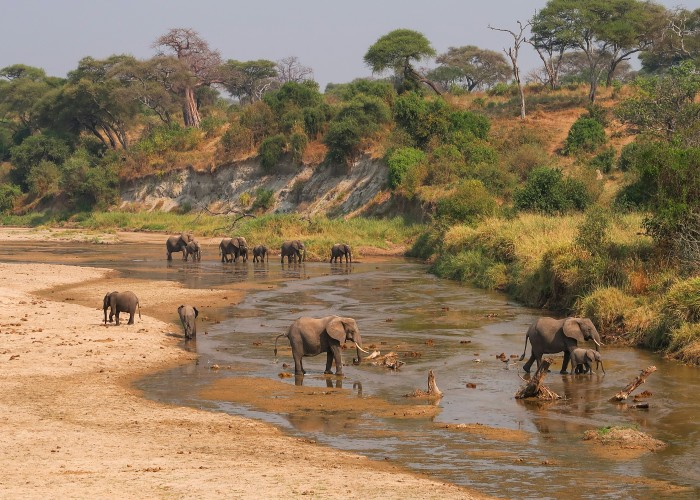
Africa is a continent of breathtaking landscapes, extraordinary wildlife, and rich cultural heritage. For modern travelers, the appeal goes beyond adventure—it’s about experiencing luxury while respecting the environment. Luxury eco-tourism in Africa offers an unparalleled opportunity to immerse yourself in nature without compromising comfort or sustainability. Luxury Eco-Tourism in Africa.
This guide explores the best destinations, eco-lodges, and experiences that make Africa a top choice for eco-conscious travelers seeking both luxury and responsibility.
What Is Luxury Eco-Tourism?
Luxury eco-tourism merges high-end travel experiences with environmentally responsible practices.
- Sustainable accommodations: Lodges and resorts built using eco-friendly materials, solar energy, and water conservation systems.
- Responsible wildlife interactions: Ethical safaris that prioritize animal welfare and habitat preservation.
- Community engagement: Experiences that support local communities and cultural preservation.
- Low environmental impact: Minimizing waste, emissions, and energy consumption while maintaining comfort.
This approach ensures that travelers enjoy unforgettable experiences without harming the delicate ecosystems they visit.
Top African Destinations for Luxury Eco-Tourism
Kenya
- Masai Mara National Reserve: Offers private safari lodges focused on wildlife conservation.
- Laikipia Plateau: Combines luxury tented camps with community-led conservation projects.
Tanzania
- Serengeti National Park: Eco-lodges here emphasize sustainable practices while providing exceptional safari experiences.
- Ngorongoro Crater: Unique eco-lodges allow visitors to explore wildlife-rich landscapes with minimal environmental impact.
South Africa
- Kruger National Park: Luxury safari lodges are integrated into the environment, promoting biodiversity protection.
- Garden Route: Eco-friendly coastal resorts offer sustainable experiences alongside scenic beauty.
Botswana
- Okavango Delta: Private safari camps focus on conservation and water-efficient practices in pristine wilderness areas.
- Chobe National Park: Offers wildlife-rich experiences with eco-conscious lodges prioritizing minimal disruption.
Namibia
- Namib Desert: Solar-powered desert lodges blend comfort with environmental sensitivity.
- Etosha National Park: Eco-lodges focus on preserving arid landscapes and supporting local wildlife initiatives.
These destinations combine luxury amenities with sustainability, allowing travelers to enjoy Africa responsibly.
Luxury Accommodations with Sustainable Practices
Eco-Lodges and Camps
- Built using locally sourced materials to reduce environmental impact.
- Incorporate solar power, rainwater harvesting, and energy-efficient systems.
- Offer private plunge pools, panoramic views, and exquisite design without compromising sustainability.
Tented Safari Camps
- Provide immersive wildlife experiences while minimizing habitat disruption.
- Blend seamlessly into landscapes, offering luxury interiors with minimal footprint.
Coastal and Desert Resorts
- Utilize natural cooling systems, native landscaping, and water-saving measures.
- Offer wellness and spa services that emphasize eco-friendly practices.
These accommodations prove that luxury and sustainability can coexist beautifully.
Sustainable Safari Experiences
Responsible Wildlife Viewing
- Safaris focus on ethically observing animals rather than intrusive activities.
- Trained guides educate travelers about wildlife conservation and ecosystem balance.
Community-Based Experiences
- Engage with local communities to support culture, traditions, and livelihoods.
- Activities may include craft workshops, cultural tours, and village visits.
Conservation Tours
- Participate in initiatives that protect endangered species or restore habitats.
- Learn about anti-poaching programs, reforestation projects, and wildlife research.
Luxury eco-tourism ensures that every activity benefits both travelers and local environments.
Tips for Planning a Luxury Eco-Tourism Trip in Africa
- Choose Certified Eco-Lodges: Look for lodges with sustainability certifications and environmental practices.
- Travel Responsibly: Minimize plastic use, respect wildlife, and follow park regulations.
- Support Local Communities: Opt for tours and experiences that directly benefit local populations.
- Plan for Seasonal Travel: Wildlife sightings and climate conditions vary; research optimal times for your destination.
- Pack Thoughtfully: Include reusable items, eco-friendly toiletries, and lightweight gear to reduce your environmental footprint.
Planning ahead maximizes both comfort and positive impact. Luxury Eco-Tourism in Africa.
Benefits of Luxury Eco-Tourism
- Personalized Experiences: Small, exclusive lodges offer private safaris and tailored activities.
- Connection with Nature: Eco-tourism allows you to experience wildlife, landscapes, and cultures authentically.
- Environmental Impact: Supporting sustainable lodges reduces deforestation, poaching, and resource depletion.
- Cultural Preservation: Engaging with local communities fosters respect for traditions and crafts.
Luxury eco-tourism creates memorable adventures that are ethically responsible.
Challenges and Considerations
- Limited Availability: High-end eco-lodges are often small and book out quickly.
- Cost: Luxury eco-tourism is an investment, but it supports sustainable practices.
- Remote Locations: Accessing some lodges may require additional travel planning.
- Balancing Comfort with Sustainability: Some travelers may need to adjust expectations for off-grid accommodations.
Awareness of these factors ensures a smooth, rewarding experience.
High-Demand Activities in African Luxury Eco-Tourism
- Safari Drives: Observe elephants, lions, rhinos, and rare species responsibly.
- Guided Nature Walks: Explore ecosystems with expert naturalists.
- Bird Watching: Africa hosts some of the world’s most diverse bird populations.
- Cultural Tours: Connect with local communities and participate in traditional crafts.
- Wellness Retreats: Enjoy eco-spas and yoga retreats designed with sustainability in mind.
These activities combine luxury, adventure, and environmental stewardship.
Frequently Asked Questions About Luxury Eco-Tourism in Africa
What makes a lodge eco-friendly?
Eco-lodges use sustainable materials, renewable energy, water conservation, and waste reduction strategies. Luxury Eco-Tourism in Africa.
Is luxury eco-tourism more expensive than regular travel?
While it may cost more upfront, benefits include unique experiences, sustainable impact, and support for local communities.
Can I see wildlife responsibly?
Yes, certified lodges and guided tours follow ethical wildlife viewing practices.
Which countries offer the best eco-tourism experiences?
Kenya, Tanzania, South Africa, Botswana, and Namibia are top destinations for luxury eco-tourism.
How do I support local communities?
Choose tours, experiences, and accommodations that employ local staff, purchase local goods, and invest in community programs.
Conclusion
Luxury eco-tourism in Africa is a perfect blend of comfort, adventure, and sustainability. From immersive safaris to eco-conscious lodges, travelers can experience the continent’s stunning landscapes, wildlife, and cultures responsibly.






Leave a Reply