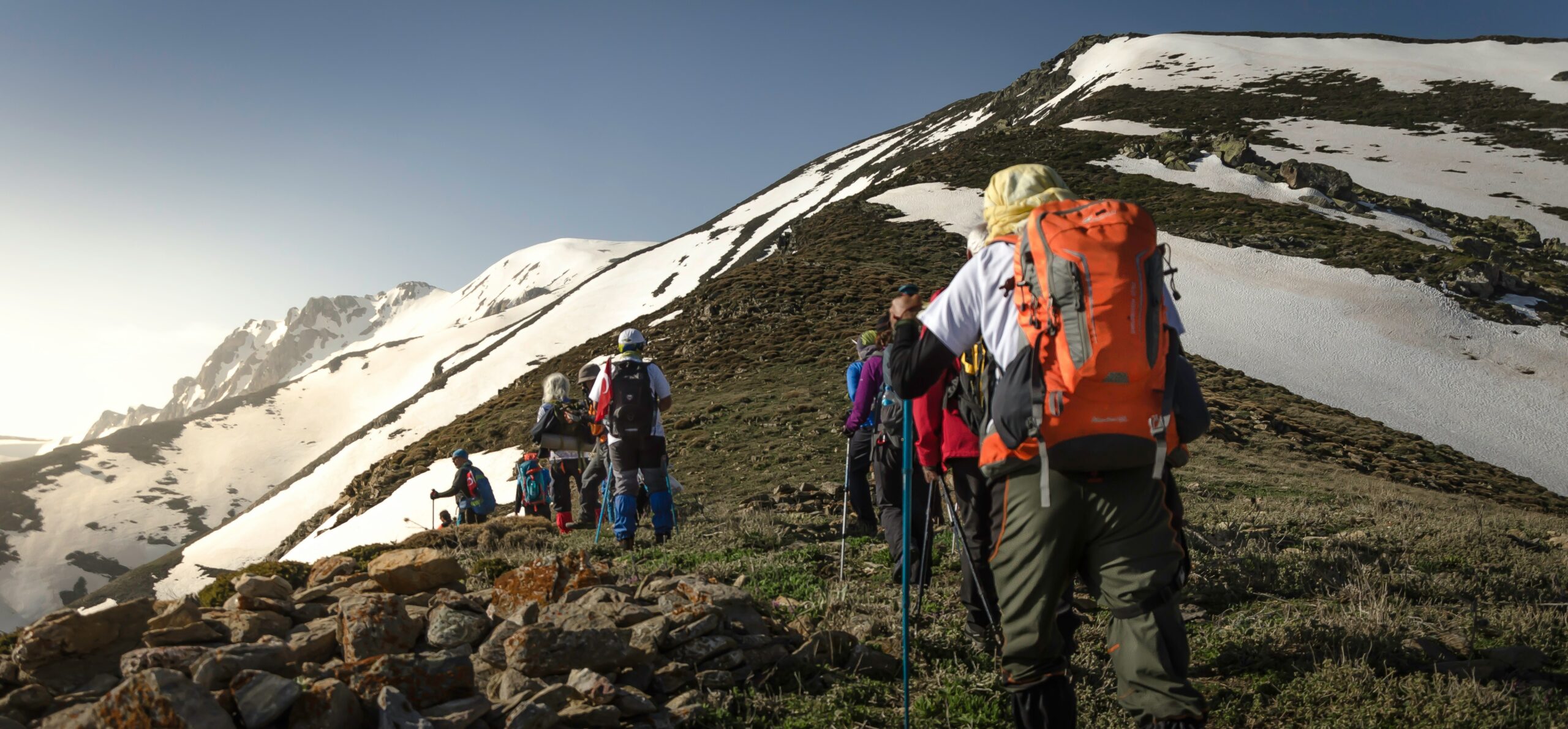
Long-distance hiking trails offer an unmatched way to explore nature, experience local culture, and challenge yourself physically and mentally. These trails span from a few dozen kilometers to several thousand, crossing forests, mountains, deserts, and coastal regions. Popular worldwide, they attract hikers from the USA, UK, Australia, Germany, and beyond who seek adventure, solitude, and breathtaking landscapes. Long-Distance Hiking Trails, Tour & Trek.
This guide provides essential information for anyone planning a long-distance trek, covering everything from preparation and packing to safety and local etiquette.
Overview: What, Where, and Why It’s Famous
Long-distance hiking trails are extended walking routes that connect diverse landscapes and ecosystems. They can last from a few days to several months, depending on the trail length and difficulty.
- Famous Trails Around the World:
- Appalachian Trail (USA): Over 3,500 km across 14 states, famous for its challenging terrain and scenic forests.
- Camino de Santiago (Spain): Cultural and spiritual trail spanning 800 km to Santiago de Compostela.
- Overland Track (Australia): 65 km trek in Tasmania through mountains, lakes, and rainforests.
- West Highland Way (Scotland, UK): 154 km through highlands, lochs, and historic villages.
- Why They’re Popular:
- Immersive natural beauty
- Physical challenge and personal achievement
- Opportunities to experience local culture and communities along the route
- Wildlife spotting and photography
Long-distance trails are ideal for hikers seeking both adventure and connection with nature.
Best Time to Visit
Timing depends on the trail and climate:
- Spring and Autumn: Mild temperatures, fewer crowds, and ideal hiking conditions.
- Summer: Best for northern hemisphere trails, but be mindful of heat, thunderstorms, and insects.
- Winter: Suitable for trails in temperate regions, but high-altitude trails may be snowbound.
Before planning, check the trail’s seasonal conditions and local weather forecasts.
How to Reach Long-Distance Trails
Access depends on the trail location:
- By Train: Many trails start near regional train stations. For example, the West Highland Way in Scotland is accessible from Glasgow.
- By Road: Driving offers flexibility, especially for trails with multiple entry points or camping locations. National parks often provide parking at trailheads.
- By Air: International hikers usually fly into major cities and continue by train, bus, or car to trail starting points.
Planning your route and transport in advance ensures a smooth start to your trek.
Entry Fees and Permits
Some long-distance trails require permits or fees:
- National Parks: Entry fees can range from AUD 8–20 or USD 5–15 per day, depending on the country and park.
- Camping Permits: Many trails have designated camping zones requiring permits, typically AUD 6–10 or USD 5–8 per night.
- Special Permits: Certain sections may require permits for environmental protection or cultural preservation.
Always check the latest regulations before embarking, as fees and permit rules are subject to change.
Food Availability and Meal Options
Food options along long-distance trails vary:
- Pack Your Own Food: Essential for remote trails. Bring high-energy snacks, dried fruit, nuts, and instant meals.
- Trail Towns and Villages: Many long-distance trails pass through towns with shops, cafes, or restaurants.
- Water: Carry sufficient water and a purification method (filter, tablets) when natural sources are available.
Planning meals ahead helps maintain energy levels and prevents reliance on limited trail resources. Long-Distance Hiking Trails, Tour & Trek.
Packing List and Essentials
Successful long-distance hiking requires careful packing:
- Clothing: Moisture-wicking layers, waterproof jacket, warm layer for cool evenings, hat, and gloves if needed.
- Footwear: Sturdy hiking boots and spare socks.
- Backpack: Lightweight with enough capacity for essentials and gear.
- Navigation: Map, compass, GPS device, or smartphone with offline maps.
- Sleeping Gear: Tent, sleeping bag, and mat if camping.
- Food and Water: Snacks, meals, water bottles, or hydration bladder.
- First Aid Kit: Bandages, antiseptic, blister treatment, and personal medications.
- Optional Gear: Trekking poles, binoculars, camera, multi-tool, insect repellent, and sunscreen.
Pack light but ensure you have everything needed for safety, comfort, and survival in remote areas.
Safety Tips and Local Regulations
Safety is critical on long-distance hikes:
- Trail Awareness: Stay on marked paths to avoid getting lost and protect local flora.
- Weather: Monitor forecasts and be prepared for sudden changes.
- Wildlife: Be cautious with animals; keep distance and store food securely.
- Emergency Contacts: Know local emergency numbers and carry a charged phone or satellite communicator.
- Group Travel: Hike with companions whenever possible. Solo hiking requires extra preparation.
- Fire Safety: Follow local fire restrictions and regulations.
Adhering to local rules preserves the environment and ensures your safety.
Tips for Beginners or First-Time Visitors
- Start with shorter, well-marked sections before attempting long multi-day hikes. Long-Distance Hiking Trails, Tour & Trek.
- Gradually increase pack weight and distance to build endurance.
- Learn basic navigation and first-aid skills.
- Rest frequently, stay hydrated, and pace yourself.
- Research trail conditions and elevation changes in advance.
Even beginners can enjoy long-distance trails with proper preparation and realistic planning.
Local Customs or Cultural Etiquette
Many long-distance trails pass through culturally significant areas. Respecting local customs is important:
- Follow Leave No Trace principles: take your trash, respect wildlife, and minimize impact.
- Obtain permits for restricted or sacred areas.
- Respect local communities and private property near trails.
- Avoid loud noise, particularly near towns or wildlife habitats.
- Photography: Ask permission when photographing people or cultural sites.
Observing local etiquette ensures a responsible and rewarding hiking experience.
Frequently Asked Questions (FAQs)
Q: How long are long-distance hiking trails?
A: They vary from 50 km to over 3,500 km. Some trails take a few days; others, like the Appalachian Trail, take months.
Q: What is the difficulty level?
A: Trails range from easy to very challenging, depending on distance, terrain, and elevation.
Q: Can beginners attempt long-distance hikes?
A: Yes, start with shorter trails and gradually build stamina.
Q: Are restrooms available on trails?
A: Facilities are limited on remote trails; most require camping or trailhead stops.
Q: Is camping allowed?
A: Many trails have designated camping areas requiring permits. Wild camping is restricted in national parks.
Q: What is the altitude of popular trails?
A: Varies widely; coastal trails may be near sea level, while mountain trails can exceed 2,000 meters.
Q: Are pets allowed?
A: Generally no, especially in national parks and wildlife-sensitive areas.
Q: How should I prepare physically?
A: Build endurance with regular walking, hill climbing, and carrying a weighted pack.
Q: Do I need a guide?
A: Not mandatory, but guided hikes help with navigation, safety, and local insights.
Q: What is the best time to hike?
A: Spring and autumn are ideal in most regions, offering mild temperatures and lower crowd levels.
Conclusion
Long-distance hiking trails offer a unique combination of adventure, nature, and cultural exploration. From the forests of the Appalachian Trail to the mountains of the Overland Track, each trail provides a chance to connect with the environment, challenge your limits, and discover hidden landscapes.






Leave a Reply