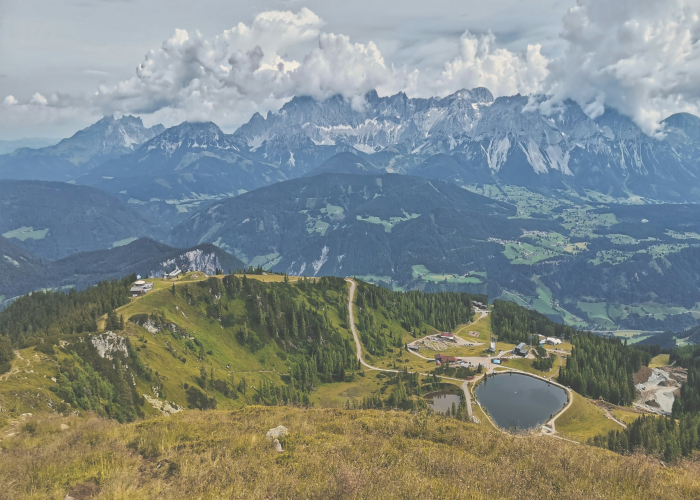
The Allgäu region in Bavaria is a paradise for hikers, nature lovers, and adventure enthusiasts. Nestled in southern Germany, near the Austrian border, it is famed for its rolling alpine landscapes, pristine lakes, charming villages, and dramatic peaks. Whether you are an experienced trekker or a casual walker, the Allgäu offers a variety of trails for all levels, from gentle valley walks to challenging mountain ascents. Allgäu mountain region trails in Bavaria, Tour & Trek.
This guide will provide a complete overview of Allgäu mountain trails, covering everything from planning, safety, local culture, and essential tips for a memorable trekking experience.
Overview: What It Is, Where It’s Located, and Why It’s Famous
The Allgäu mountain region is located in southern Bavaria, stretching from the Iller River valley to the Austrian border, including areas near Oberstdorf, Füssen, and the famous Neuschwanstein Castle.
It is renowned for:
- Picturesque alpine scenery: Rolling meadows, dense forests, and rugged peaks.
- Diverse trails: From easy lakeside paths to high-altitude alpine routes.
- Cultural charm: Traditional Bavarian villages, historic churches, and alpine architecture.
- Outdoor activities: Hiking, trekking, cycling, and nature photography.
Popular trails include the Nebelhorn Trail, Allgäu High Trail, and routes around the Tannheimer Tal, offering both panoramic views and immersive alpine experiences.
Best Time to Visit
- Spring (April–June): Wildflowers bloom, snow melts, and trails become accessible.
- Summer (July–September): Warm temperatures, long daylight, ideal for high-altitude treks.
- Autumn (October–November): Autumn foliage, fewer tourists, perfect for photography.
- Winter (December–March): Limited access on higher trails; suitable for snowshoeing or winter hikes.
Tip: For most scenic views, late spring to early autumn is ideal. Check local weather forecasts as alpine conditions can change rapidly.
How to Reach
By Train
- Regional trains connect Munich, Augsburg, and Kempten with Allgäu towns like Oberstdorf and Füssen. Allgäu mountain region trails in Bavaria, Tour & Trek.
- Train stations often provide shuttle buses to trailheads or village centers.
By Road
- Drive from Munich (approx. 2–3 hours) or Stuttgart (approx. 3–4 hours).
- Parking is available at most trailheads but can fill up in peak season.
By Air
- Closest airports: Memmingen, Munich, Innsbruck (Austria).
- From airports, use trains, rental cars, or regional buses to reach hiking towns.
Entry Fees and Permits
- Most trails are free to access.
- Optional fees:
- Parking at trailheads: €2–€10 per day.
- Some cable cars or mountain lifts: €15–€30 per ride.
- No special hiking permits are required, except for protected nature reserves.
Tip: Check local trail information centers for any temporary closures or seasonal restrictions.
Food Availability and Meal Options
- Villages along trails offer traditional Bavarian cuisine: sausages, cheese, pretzels, and fresh alpine produce.
- Mountain huts (Almhütten) provide snacks, drinks, and hot meals.
- Carry water and light snacks, especially for longer or remote trails.
Tip: Sample local dishes like Käsespätzle or freshly baked apple strudel for a true Allgäu experience.
Packing List and Essentials
- Footwear: Comfortable hiking boots with good grip.
- Clothing: Layered clothing for changing alpine weather.
- Outerwear: Waterproof and windproof jackets.
- Backpack: Water, snacks, first-aid kit, and a map or GPS device.
- Accessories: Hat, sunglasses, sunscreen, trekking poles for steep terrain.
- Optional: Camera for scenic photography, binoculars for wildlife spotting.
Safety Tips and Local Regulations
- Always stick to marked trails; avoid venturing into restricted areas.
- Carry a fully charged mobile phone; signal may be weak in remote areas.
- Keep to local wildlife rules; do not disturb flora or fauna.
- Check weather conditions before starting high-altitude treks.
- Emergency number in Germany: 112.
Tips for Beginners or First-Time Visitors
- Start with low-altitude or valley trails to gauge stamina.
- Allow extra time for breaks and sightseeing.
- Use local tourist offices for trail maps and up-to-date information.
- Hike in groups or with companions if unfamiliar with alpine terrain.
- Choose trails marked as easy or moderate for your first visit.
Local Customs or Cultural Etiquette
- Greet locals politely: “Grüß Gott” is common in Bavaria.
- Respect quiet hours in villages, especially in accommodation areas.
- Dispose of waste properly and follow Leave No Trace principles.
- Photography is generally welcome, but respect private property.
- Tipping in restaurants: 5–10% is customary.
Trail Highlights
Nebelhorn Trail, Oberstdorf
- Scenic high-altitude trail offering panoramic views of the Allgäu Alps.
- Accessible via cable car, making it suitable for beginners seeking shorter routes.
Allgäu High Trail
- Multi-day trekking route with mountain huts and alpine lakes.
- Moderate to challenging with some steep ascents.
Tannheimer Tal
- Forested paths, alpine meadows, and serene lakes.
- Gentle trails ideal for families and first-time hikers.
Forggensee and Bannwaldsee Loops
- Lakeside paths with gentle terrain.
- Opportunities for photography, wildlife watching, and picnics.
FAQ Section
1. How long are typical trails in Allgäu?
- Short trails: 2–5 km; full-day treks: 10–15 km; multi-day hikes available for experienced hikers.
2. Are the trails suitable for children?
- Yes, most lower-altitude trails are family-friendly.
3. Is public transport available to trailheads?
- Yes, regional trains and buses connect towns to popular trailheads.
4. Are dogs allowed?
- Leashed dogs are permitted on most trails.
5. Are there restrooms along trails?
- Limited; available at villages, parking areas, or mountain huts.
6. What is the difficulty level of Allgäu trails?
- Varies: easy valley walks, moderate alpine trails, challenging high-altitude routes.
7. Can I hike in winter?
- Only for experienced hikers; some trails may require snowshoes or winter equipment.
8. Is there food along the trails?
- Mountain huts and villages offer meals; carry water and snacks for longer treks.
9. Do I need a guide?
- Optional; guides recommended for high-altitude or multi-day treks.
10. What is the best season to hike?
- Late spring to early autumn for optimal weather and trail accessibility.
Final Thoughts
The Allgäu mountain region is an ideal destination for those seeking scenic walks, cultural immersion, and alpine adventure. From gentle lakeside trails to challenging mountain ascents, this region offers something for every skill level.






Leave a Reply