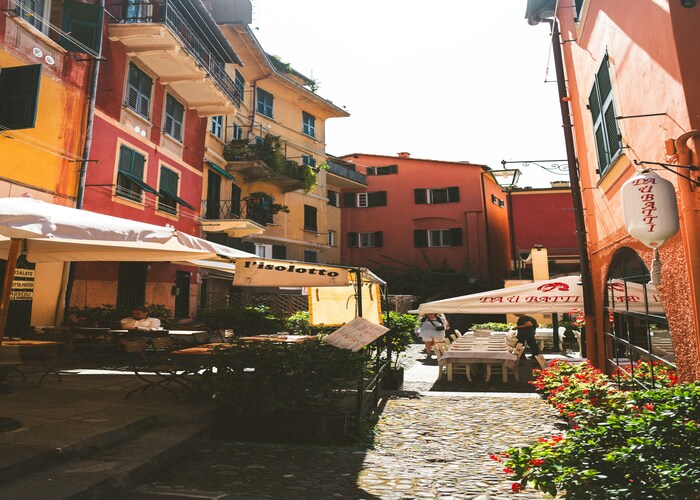
Italy is world-renowned for its cuisine, but while cities like Rome, Florence, and Venice steal the spotlight, some of the country’s most authentic culinary treasures lie hidden in small towns. Exploring these lesser-known destinations gives food lovers a chance to experience traditional recipes, local ingredients, and charming dining experiences far from crowded tourist routes. Discover Italy’s Culinary Secrets: Food Tourism in Hidden Towns.
Food tourism in Italy’s hidden towns is more than just eating; it’s a journey into culture, history, and community. From handmade pasta in rustic villages to artisanal cheeses in mountain towns, every bite tells a story.
Why Food Tourism in Hidden Italian Towns is Special
Visiting Italy’s off-the-beaten-path towns offers a unique perspective on the country’s culinary heritage:
- Authenticity: Recipes have been passed down for generations, preserving traditional flavors.
- Local Ingredients: Farm-to-table freshness is standard, with local markets providing the stars of each dish.
- Community Connection: Small-town dining often involves family-run trattorias and intimate interactions with chefs and farmers.
- Cultural Immersion: Food tourism is paired with local festivals, markets, and culinary workshops.
These experiences make Italy’s hidden towns a paradise for travelers seeking both taste and culture.
Top Hidden Towns for Food Tourism
1. Alba, Piedmont
- Famous for white truffles and fine wines
- Seasonal truffle festivals with guided tasting tours
- Local markets offer artisanal cheeses and chocolates
2. Norcia, Umbria
- Known as the “city of pork,” specializing in cured meats and sausages
- Truffle hunting tours available in surrounding forests
- Rustic eateries serve traditional Umbrian pasta dishes
3. Tropea, Calabria
- Celebrated for sweet red onions and fresh seafood
- Coastal charm with local dishes like ‘nduja and fresh calamari
- Cooking classes focus on Mediterranean flavors
4. Monte Isola, Lombardy
- Scenic lakeside town famous for freshwater fish dishes
- Small family-owned trattorias with local recipes
- Market tours highlight fresh produce and cheeses
5. Matera, Basilicata
- Unique cave dwellings enhance the culinary ambiance
- Traditional dishes include bread-based specialties and lamb recipes
- Food tours often include visits to local olive oil producers
Visiting these towns offers culinary delights that are often inaccessible in mainstream tourist hubs.
Experiences to Try in Italy’s Hidden Towns
Hands-On Cooking Classes
- Learn to make pasta, sauces, and desserts from local chefs
- Classes often include visits to markets to select fresh ingredients
- Opportunity to take home recipes for future enjoyment
Local Markets and Food Festivals
- Explore weekly markets for fresh produce, cheeses, and baked goods
- Festivals celebrate seasonal specialties like truffles, olives, and chestnuts
- Taste authentic street food and regional specialties
Wine and Olive Oil Tasting Tours
- Visit boutique wineries and family-run olive oil producers
- Guided tastings explain production processes and flavor profiles
- Combine wine or oil sampling with small bites for full sensory experience
Farm Visits and Agriturismo Stays
- Stay on farms offering farm-to-table meals
- Participate in harvests, cheese-making, or olive picking
- Experience authentic Italian hospitality and culinary traditions
Tips for Food Tourism in Hidden Towns
- Plan Ahead: Many small towns require reservations for guided tours and tastings.
- Be Adventurous: Try dishes and ingredients unique to the region.
- Respect Local Customs: Dining etiquette and mealtime schedules may differ from urban areas.
- Travel Slowly: Allocate enough time to explore markets, vineyards, and small eateries.
- Learn Key Phrases: Simple Italian phrases enhance interactions and enrich experiences.
Following these tips ensures a more immersive and memorable food journey. Discover Italy’s Culinary Secrets: Food Tourism in Hidden Towns.
Seasonal Highlights for Culinary Trips
- Spring: Fresh vegetables, herbs, and early cheeses dominate menus.
- Summer: Seafood, fruits, and outdoor dining festivals.
- Fall: Truffles, chestnuts, mushrooms, and wine harvests.
- Winter: Rich meat dishes, hearty soups, and festive sweets.
Timing your visit with local food seasons allows for the most authentic experiences.
Benefits of Exploring Hidden Culinary Towns
- Authentic Experience: Away from tourist traps, meals are prepared as locals enjoy them.
- Cultural Insight: Understand the history and traditions behind regional foods.
- Sustainable Tourism: Support small businesses, local farmers, and family-owned establishments.
- Memorable Encounters: Engage directly with artisans, chefs, and farmers who are passionate about their craft.
Hidden towns provide a holistic view of Italian cuisine, combining taste, tradition, and storytelling.
FAQs About Food Tourism in Italy’s Hidden Towns
Is it necessary to speak Italian to enjoy food tourism?
No, but learning basic phrases enhances interactions with local chefs, vendors, and guides.
Can I participate in cooking classes without prior experience?
Yes, classes are designed for all skill levels and provide step-by-step instructions.
Are these hidden towns easily accessible?
Many towns are reachable by train, bus, or rental car. Some require scenic drives through countryside roads.
What should I budget for a food-focused trip?
Costs vary depending on tours, tastings, and accommodations. Plan around €100–€300 per day for experiences and meals.
Are family-friendly food tours available?
Yes, many towns offer experiences suitable for children, including hands-on cooking and market explorations.
Conclusion
Food tourism in Italy’s hidden towns provides a rare and authentic window into the country’s culinary soul. By venturing beyond the major cities, travelers encounter traditional recipes, artisanal products, and local dining experiences that reveal the true heart of Italian cuisine. Discover Italy’s Culinary Secrets: Food Tourism in Hidden Towns.
From truffle hunts in Alba to olive oil tastings in Matera, each town offers unique flavors and stories waiting to be discovered. Exploring these culinary gems allows travelers to enjoy intimate, meaningful, and unforgettable gastronomic adventures.
Italy’s hidden towns aren’t just destinations—they’re a journey through taste, tradition, and the warmth of local communities. For travelers who seek genuine culinary experiences, these small towns provide the perfect setting for a memorable food adventure.





Leave a Reply