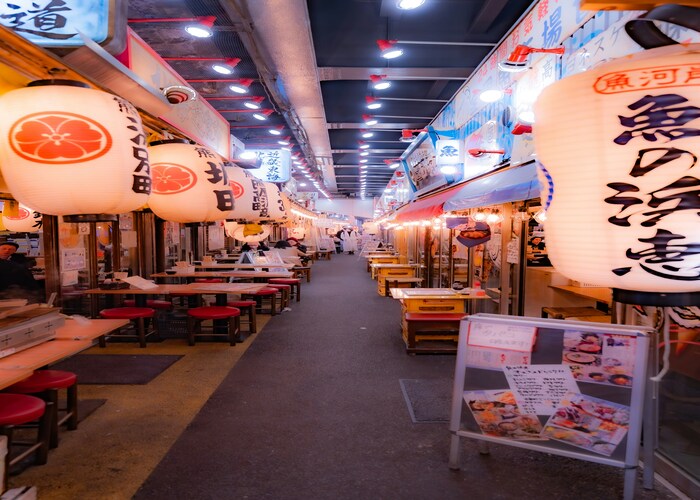
Tokyo is more than Japan’s bustling capital—it’s a global epicenter of culinary excellence. From delicate sushi to innovative modern cuisine, the city boasts more Michelin stars than any other in the world. For food lovers, a dining experience here is an exploration of culture, tradition, and creativity. Savoring Tokyo: A Complete Guide to the Best Michelin Star Restaurants.
This guide highlights the best Michelin star restaurants in Tokyo, offering practical insights for global travelers who want an unforgettable gastronomic adventure.
Why Tokyo is a Michelin Star Capital
Tokyo has earned its reputation as a culinary powerhouse for several reasons:
- Cultural Commitment: Japanese cuisine emphasizes freshness, precision, and artistry.
- Diverse Offerings: From sushi and kaiseki to French-Japanese fusion, the city offers a variety of world-class experiences.
- Attention to Detail: Michelin star restaurants in Tokyo maintain exceptional standards in presentation, flavor, and service.
Whether you’re a seasoned foodie or a first-time visitor, Tokyo promises dining experiences that are both refined and memorable.
Understanding Michelin Star Ratings in Tokyo
Michelin stars recognize excellence in cuisine and service. In Tokyo:
- Three Stars: Exceptional cuisine, worth a special journey.
- Two Stars: Excellent cooking, worth a detour.
- One Star: High-quality cooking, worth visiting.
Most Michelin star restaurants in Tokyo are intimate, often with fewer than 20 seats, allowing chefs to focus on meticulous preparation and presentation.
Top Michelin Star Sushi Restaurants
Sushi is a cornerstone of Japanese fine dining. Tokyo offers some of the world’s best sushi experiences:
Sukiyabashi Jiro
- Legendary for sushi craftsmanship
- Fresh, seasonal seafood prepared with precision
- Intimate counter seating for personalized service
Sushi Saito
- Highly coveted reservations
- Perfect balance of flavors and texture
- Focuses on traditional Edo-style sushi techniques
Sushi Yoshitake
- Innovative approach while honoring tradition
- Elegant, minimalist presentation
- Highly skilled chefs with meticulous technique
Sushi lovers visiting Tokyo should be prepared to plan months in advance for reservations.
Outstanding Kaiseki Restaurants
Kaiseki is a traditional Japanese multi-course meal emphasizing seasonal ingredients, balance, and presentation:
Kanda
- Renowned for refined, intimate dining
- Courses change seasonally to reflect local ingredients
- Minimalist design enhances the culinary focus
Ishikawa
- Combines traditional techniques with modern flair
- Exceptional attention to detail in presentation
- Offers a serene, peaceful atmosphere for diners
Ryugin
- Creative interpretation of Japanese ingredients
- Harmonizes flavors, textures, and temperature
- Recognized internationally for culinary artistry
Kaiseki experiences often last several hours, offering a full immersion in Japanese dining culture.
Modern Japanese & Fusion Michelin Stars
Tokyo is not only about tradition—it’s also a playground for innovative cuisine:
Narisawa
- Pioneers modern Japanese gastronomy
- Focuses on sustainable, local ingredients
- Presents nature-inspired dishes that delight visually and tastefully
Quintessence
- Combines French technique with Japanese precision
- Seasonal tasting menus crafted with meticulous detail
- Emphasizes elegance and refined flavors
L’Effervescence
- Innovative use of ingredients and textures
- Combines Japanese sensibilities with global techniques
- Known for subtle flavors and beautiful plating
These restaurants highlight how Tokyo blends heritage with creativity, appealing to adventurous palates.
Top Tips for Dining at Michelin Star Restaurants in Tokyo
- Book in Advance: Many top restaurants accept reservations months ahead.
- Respect Dress Codes: Fine dining etiquette is strictly observed.
- Arrive on Time: Punctuality is crucial for seamless service.
- Be Open to Seasonal Menus: Menus change to reflect fresh, local ingredients.
- Limit Mobile Use: Japanese dining etiquette emphasizes focus on the meal.
Following these guidelines enhances the overall experience and shows respect for the restaurant and chefs. Savoring Tokyo: A Complete Guide to the Best Michelin Star Restaurants.
Budgeting for Michelin Star Experiences
Fine dining in Tokyo can be expensive, but it offers exceptional value:
- One-Star Restaurants: Often range from $50 to $150 per person.
- Two-Star Restaurants: Typically $150 to $300 per person.
- Three-Star Restaurants: Can exceed $400 per person, depending on the menu and beverage pairings.
Consider lunch menus for more affordable Michelin experiences without compromising quality.
How to Find Michelin Star Restaurants in Tokyo
Several practical ways help travelers discover these culinary gems:
- Michelin Guide Tokyo Edition: Updated annually with official listings
- Local Travel Resources: Concierge services often assist with reservations
- Food Travel Blogs: Offer insider perspectives on dining experiences
Checking multiple sources ensures up-to-date information and easier planning.
Unique Experiences Beyond Sushi and Kaiseki
While sushi and kaiseki dominate, Tokyo offers other Michelin-starred experiences:
- Tempura Specialties: Light, crispy perfection at small, specialized restaurants
- Ramen and Noodle Innovations: Elevated versions of local favorites
- Japanese-French Fusion: Creative menus blending flavors and techniques from both cultures
These options cater to travelers seeking variety in haute cuisine.
Cultural Etiquette at Michelin Star Restaurants
Understanding Japanese dining customs enhances enjoyment:
- Respect the Chef’s Work: Many meals are prepared in front of diners.
- Use Chopsticks Properly: Avoid pointing or sticking them vertically in rice.
- Express Appreciation: A simple “thank you” goes a long way.
- Stay Quiet and Mindful: Focus on savoring the meal.
Etiquette adds to the authenticity and elegance of the dining experience.
Planning a Michelin Star Dining Tour in Tokyo
For travelers with time and appetite:
- Create a Route: Group restaurants by area to maximize efficiency.
- Balance Meals: Mix sushi, kaiseki, and fusion for variety.
- Include Rest Stops: Tokyo is vast, so plan travel between districts carefully.
- Check Opening Days: Some restaurants are closed on certain weekdays.
Proper planning ensures a seamless, immersive culinary adventure.
FAQs About Michelin Star Dining in Tokyo
What is the best time to book a Michelin star restaurant in Tokyo?
Reservations are recommended 2–3 months in advance, especially for three-star establishments.
Are Michelin star restaurants in Tokyo vegetarian-friendly?
Many offer seasonal vegetarian courses, but it’s best to confirm in advance.
Is tipping required in Tokyo restaurants?
No, tipping is not customary; exceptional service is already included.
Can I find affordable Michelin experiences in Tokyo?
Yes, lunch courses at one-star restaurants often offer high-quality meals at lower prices.
Do I need to know Japanese to dine at these restaurants?
Many restaurants provide English menus and staff, but a basic understanding of etiquette enhances the experience. Savoring Tokyo: A Complete Guide to the Best Michelin Star Restaurants.
Final Thoughts
Tokyo is a city where culinary dreams come alive. Its Michelin star restaurants offer an unmatched blend of tradition, innovation, and artistry. From sushi counters to immersive kaiseki meals and creative fusion, every dining experience tells a story of Japanese culture and passion.
For global travelers, exploring these restaurants is more than a meal—it’s an unforgettable journey into the heart of Tokyo’s gastronomic excellence. Planning, respect, and curiosity ensure that every bite becomes a cherished memory.



Leave a Reply