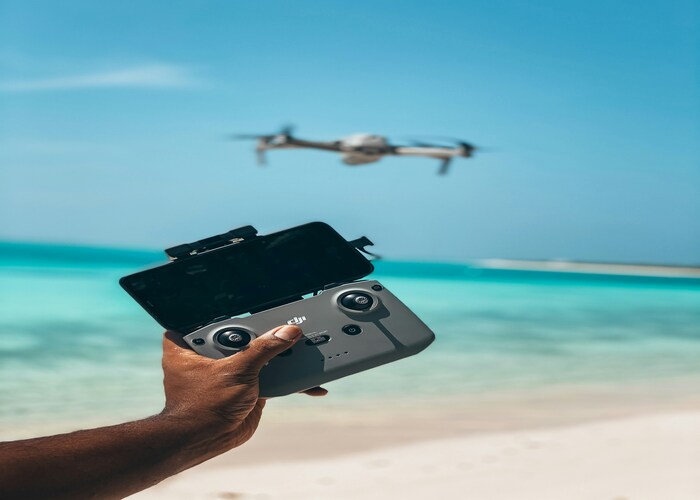
Drones have changed the way travel bloggers tell stories. From wide landscapes to city skylines, aerial visuals help audiences see destinations from a fresh angle. But flying a drone abroad is not as simple as packing it in your bag and taking off. Drone Laws Abroad for Travel Bloggers: What You Must Know Before Flying Your Camera.
Every country treats drones differently. Rules change often, permissions vary, and what is allowed in one place may be restricted in another. For travel bloggers, understanding drone laws abroad is essential to avoid trouble and create content responsibly.
This guide explains drone regulations in a simple and clear way. It is written purely for information, helping global travel bloggers understand legal basics, safety expectations, and smart planning before flying drones overseas.
Why Drone Laws Matter for Travel Bloggers
Drone laws are designed to protect public safety, privacy, and airspace. Travel bloggers must follow these rules to ensure responsible use.
Drone laws matter because they help:
- Protect people on the ground
- Prevent airspace conflicts
- Respect privacy and cultural norms
- Support safe tourism practices
Understanding the rules builds trust and confidence while traveling.
What Is Considered a Drone for Travel Use
A drone is any unmanned flying device controlled remotely. Travel bloggers usually use small consumer drones designed for photography and videography.
Even small drones are subject to regulations. Size does not always determine legality. Purpose and location often matter more.
How Drone Laws Differ Across Countries
Drone regulations vary widely around the world. There is no single global rulebook.
Differences may include:
- Registration requirements
- Permission processes
- Flight altitude limits
- Restricted zones
- Usage purpose rules
Knowing this helps bloggers prepare properly before each trip.
Common Categories of Drone Regulations
Most countries organize drone laws into basic categories. Understanding these helps bloggers adapt easily.
Recreational vs Professional Use
Many countries separate drone use into:
- Recreational flying for personal enjoyment
- Professional or commercial flying for content creation
Travel blogging often falls into professional use, even if the blogger is independent.
Registration Requirements
Some countries require drone registration before flying.
Registration may involve:
- Providing personal details
- Registering the drone device
- Paying a small fee
Registration ensures accountability.
Pilot Certification or Training
In certain regions, drone operators must complete basic training or certification.
This may include:
- Understanding airspace rules
- Learning safety guidelines
- Passing simple tests
Training supports responsible flying.
Flight Permission and Approvals
Some destinations require advance permission to fly drones.
Approval processes may involve:
- Local aviation authorities
- Tourism departments
- Special flight permits
Planning ahead helps avoid delays.
Restricted and Sensitive Areas
Many places restrict drone flights regardless of purpose.
Common restricted areas include:
- Airports and airfields
- Government buildings
- Military zones
- Wildlife reserves
- Crowded public spaces
Respecting restricted zones protects safety and nature.
Altitude and Distance Limits
Drone laws usually define how high and how far drones can fly.
Typical rules include:
- Maximum flight height limits
- Visual line of sight requirements
- Minimum distance from people and structures
These limits reduce risks during flight.
Privacy Rules Travel Bloggers Should Understand
Privacy is a major concern in drone regulations.
Travel bloggers should:
- Avoid filming private property without permission
- Respect personal space
- Be mindful of local privacy expectations
Responsible content creation builds positive travel experiences. Drone Laws Abroad for Travel Bloggers: What You Must Know Before Flying Your Camera.
Drone Laws and Cultural Sensitivity
Beyond legal rules, cultural awareness matters.
In some regions:
- Drones may attract attention
- Flying may be discouraged in sacred areas
- Locals may feel uncomfortable being filmed
Cultural respect supports ethical travel blogging.
Insurance and Liability Considerations
Some countries require drone insurance.
Insurance helps cover:
- Accidental damage
- Personal injury risks
- Equipment loss
Even when not required, insurance adds peace of mind.
Carrying Drones Across Borders
Transporting drones internationally also requires awareness.
Considerations include:
- Airline battery rules
- Customs declarations
- Import restrictions
Checking travel policies before departure avoids complications.
Using Drones for Travel Blogging Content
When used legally, drones enhance storytelling.
They help bloggers:
- Capture scenic landscapes
- Show destination scale
- Create immersive visuals
Legal compliance ensures content can be shared confidently.
Planning Drone Use Before Traveling
Preparation is the key to success.
Smart planning includes:
- Researching local drone rules
- Registering if required
- Applying for permissions early
- Checking flight zones
Preparation prevents stress during travel.
On Location Drone Safety Tips
While flying abroad, safety should always come first.
Good practices include:
- Checking weather conditions
- Flying during low traffic times
- Maintaining visual contact
- Landing safely when unsure
Safety supports responsible content creation.
What Happens If Drone Rules Are Ignored
Ignoring drone laws can lead to consequences.
Possible outcomes include:
- Equipment confiscation
- Fines
- Travel disruptions
Following rules protects both the blogger and the destination.
Drone Laws and Changing Regulations
Drone laws evolve regularly.
Travel bloggers should:
- Stay updated before each trip
- Avoid relying on old information
- Review rules for every destination
Current knowledge ensures compliance.
How Travel Bloggers Can Stay Informed
Staying informed is part of professional blogging.
Helpful habits include:
- Checking official aviation guidelines
- Reviewing travel advisories
- Monitoring rule updates
Consistent research supports long term success.
Benefits of Following Drone Laws Abroad
Legal compliance offers many advantages.
Benefits include:
- Stress free travel
- Positive interactions with locals
- Content confidence
- Professional credibility
Responsible blogging builds a strong reputation.
Drone Use in Urban vs Natural Areas
Rules often differ by location type.
Urban areas usually have:
- Stricter restrictions
- More no fly zones
Natural areas may focus on:
- Wildlife protection
- Environmental safety
Understanding location specific rules matters.
Drone Ethics for Travel Bloggers
Ethical drone use goes beyond laws.
Ethical practices include:
- Respecting people and places
- Avoiding intrusive shots
- Flying with intention
Ethics strengthen trust with audiences.
Future Trends in Drone Regulations
Drone laws are becoming more structured worldwide.
Future trends may include:
- Unified international guidelines
- Improved digital registration systems
- Enhanced safety standards
Travel bloggers will benefit from clearer frameworks. Drone Laws Abroad for Travel Bloggers: What You Must Know Before Flying Your Camera.
Frequently Asked Questions
Are drones allowed for travel blogging abroad
Yes, but rules vary by country. Permission and compliance are often required.
Do travel bloggers need special permission to fly drones
In many places, professional use requires approval or registration.
Can small drones be flown without rules
No. Even small drones are subject to local regulations.
Are drone laws the same in every country
No. Each country sets its own rules and requirements.
Is drone insurance necessary for travel bloggers
Some countries require it. Even when optional, it is recommended.
How can bloggers avoid legal issues with drones
Research laws early, follow guidelines, and respect local rules.
Final Thoughts
Drones offer powerful creative opportunities for travel bloggers, but responsibility comes first. Understanding drone laws abroad is not just about avoiding fines. It is about respecting destinations, protecting people, and traveling ethically.
When bloggers take time to learn the rules, plan ahead, and fly responsibly, drones become tools for storytelling rather than sources of stress. Legal awareness, cultural respect, and safety practices help ensure that drone photography enhances travel experiences worldwide.


Leave a Reply