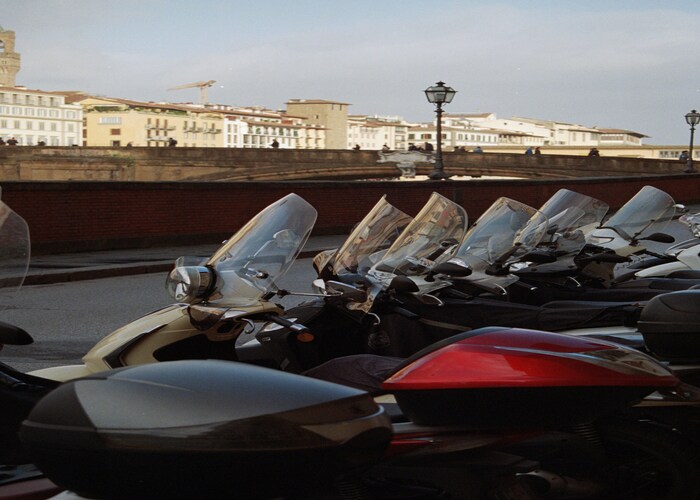
Riding through Europe on a motorcycle feels like the ultimate escape. From long coastal roads to mountain passes, riders from around the world dream about experiencing the continent on two wheels. But before planning the perfect route, it is important to understand the real cost of motorcycle tours in Europe and how travel insurance plays a major role in keeping the trip safe and stress free. Discover the True Cost of Motorcycle Tours in Europe: Insurance, Expenses and Smart Planning.
This guide breaks down everything a rider needs to know about budgeting, common expenses, insurance options, paperwork and practical tips. It is written in simple, clear language for global readers, especially those looking for helpful informational content before booking or planning a European motorcycle adventure.
Why Motorcycle Tours in Europe Are Popular
Europe is known for its diverse landscapes, scenic backroads and well-maintained motorways. Riders often choose Europe because:
- Countries are close to each other
- Road networks are easy to navigate
- Weather in many regions is ideal for riding
- Mountains, coastlines and countryside routes offer variety
- Many riders enjoy the freedom of cross-border travel
Before starting the journey, riders must understand both the financial and safety aspects involved. This is where accurate cost planning and proper insurance become essential.
Understanding the Overall Cost of Motorcycle Tours in Europe
The total cost of a motorcycle tour varies depending on the length of the trip, the countries visited, motorcycle type, accommodation choices and personal preferences. Below are the major cost factors every rider should consider.
1. Motorcycle Rental or Personal Bike Costs
Most travelers either rent a motorcycle in Europe or ship their own bike. Each option comes with different expenses.
If renting:
- Daily rental charges
- Security deposits
- Additional mileage fees
- Optional accessories such as helmets or luggage boxes
If using a personal motorcycle:
- Shipping costs
- Customs fees when applicable
- Pre-ride servicing and maintenance
Renting is often more convenient, while bringing a personal motorcycle may be more meaningful for long-distance riders.
2. Fuel Expenses
Fuel prices in Europe are generally higher compared to many other regions. Costs vary from country to country, but it is important to budget for:
- Daily fuel usage
- Extra fuel on highways or remote mountain routes
- Higher prices in peak tourist locations
Riders who plan to cover long distances should keep fuel as a major part of their tour budget.
3. Accommodation Costs
Europe offers a wide range of accommodation types, from simple lodges to upscale hotels. Prices depend on:
- Country
- Season
- City or rural area
- Facilities and comfort level
Travelers often mix different types of stays to balance comfort and budget. Booking early helps secure better prices, especially during the riding season.
4. Food and Daily Essentials
Daily meals, snacks, water and travel essentials add up during long motorcycle tours. Riders may choose between:
- Eating at local cafes
- Buying groceries
- Enjoying full meals at restaurants
Keeping a flexible food budget helps maintain overall cost control.
5. Gear and Safety Equipment
Some riders bring all their gear from home, while others buy new equipment in Europe. Every rider should have:
- A quality helmet
- Protective riding jacket
- Gloves
- Boots
- Weather-appropriate layers
Investing in reliable gear is important for comfort, safety and weather protection. Discover the True Cost of Motorcycle Tours in Europe: Insurance, Expenses and Smart Planning.
6. Road Tolls and Local Fees
Certain European highways, bridges and tunnels require toll payments. Riders should also consider possible local fees such as:
- Environmental zone passes
- Seasonal road access charges
- Parking fees in popular areas
These costs vary from country to country but can add up quickly.
7. Permits and Documentation
Depending on the rider’s home country, additional paperwork may be required. Common documents include:
- International driving permits
- National driving license
- Passport
- Vehicle registration papers if using a personal motorcycle
Travelers should always research what documents are required for each country on their planned route.
Insurance for Motorcycle Tours in Europe
Insurance is one of the most important parts of planning a European motorcycle tour. It protects the rider financially and ensures compliance with local laws.
Below are the main types of insurance riders should understand.
1. Motorcycle Liability Insurance
Most European countries require liability insurance by law. This type of insurance covers third-party damages in case of an accident. It is essential for both rented and personal motorcycles.
2. Collision and Damage Coverage
This insurance covers repair costs for the motorcycle if it is damaged in an accident. Riders who choose rental motorcycles may receive damage coverage as part of a package or as an optional add-on.
3. Theft Protection
Motorcycle theft is rare in many areas, but theft protection insurance adds an extra layer of security. It is especially useful for riders parking in busy cities.
4. Travel Medical Insurance
Travel medical insurance helps cover medical expenses in case of illness or injury during the tour. Many policies include emergency evacuation, hospitalization and medical consultation coverage.
5. Personal Accident Insurance
This insurance provides financial support in the event of accidental injuries. It is optional but useful for riders looking for additional peace of mind.
6. Gear and Accessory Insurance
Riding gear can be expensive. Some insurance policies allow coverage for gear and accessories such as helmets, jackets, GPS units or bags.
How to Choose the Right Insurance for a Motorcycle Tour
Choosing the right insurance requires careful thinking. Riders should consider:
- Countries they plan to visit
- Type of motorcycle
- Distance and riding conditions
- Weather and terrain
- Length of the trip
- Personal comfort level with risk
The goal is to ensure complete protection without overspending.
Tips to Reduce the Cost of Motorcycle Tours in Europe
Travelers can enjoy a memorable motorcycle tour without stretching their budget by using the following strategies:
- Plan routes in advance to avoid unnecessary detours
- Travel during shoulder seasons for better pricing
- Choose accommodations outside major city centers
- Select fuel-efficient motorcycles
- Maintain steady riding speeds
- Pack light to avoid extra luggage expenses
Budget-friendly planning helps riders enjoy the experience with more ease.
Popular Regions for Motorcycle Tours in Europe
Europe offers a variety of landscapes, and each region provides a different riding experience.
- Coastal routes in Southern Europe
- Mountain passes in Central Europe
- Lakeside riding in Northern regions
- Countryside roads in Western Europe
- Scenic rural routes in Eastern areas
Each region has its own charm, making Europe ideal for riders seeking both adventure and scenic beauty.
Essential Safety Tips for European Motorcycle Tours
Safety enhances the riding experience and ensures a smooth journey. Riders should:
- Wear protective gear at all times
- Check weather forecasts regularly
- Inspect the motorcycle daily
- Take frequent rest breaks
- Keep emergency numbers ready
- Follow local traffic rules
- Avoid riding after dark in unfamiliar areas
Preparedness improves overall road safety and confidence. Discover the True Cost of Motorcycle Tours in Europe: Insurance, Expenses and Smart Planning.
High-Search FAQs About Motorcycle Tours in Europe
What is the average cost of a motorcycle tour in Europe?
Costs vary based on country, duration and motorcycle type. Most riders budget for accommodation, fuel, meals, insurance and road tolls.
Do I need travel insurance for a motorcycle tour in Europe?
Yes. Travel insurance helps cover medical emergencies, accidents and unexpected events during the trip.
Is motorcycle rental expensive in Europe?
Rental costs depend on the motorcycle type and duration. Prices also include insurance, gear and seasonal demand.
What documents are required for touring Europe on a motorcycle?
Riders typically need a valid license, international permit, passport and insurance documents. Requirements differ by country.
Which European regions are best for motorcycle tours?
Mountain routes, coastal regions and countryside roads are popular due to their scenic landscapes and well-maintained roads.
How can I reduce the overall cost of touring Europe by motorcycle?
Planning early, choosing fuel-efficient routes and traveling in non-peak seasons helps reduce costs.
Is fuel expensive in Europe?
Fuel prices are generally higher compared to many other regions. Riders should plan their fuel budget accordingly.
Do I need special insurance for motorcycle gear?
Some insurance policies offer optional coverage for helmets, jackets, bags and other riding accessories.



Leave a Reply