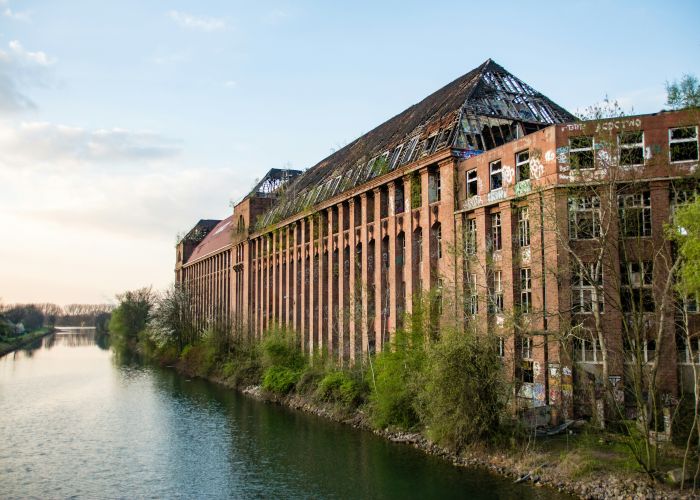
Overview: What It Is, Where It’s Located, and Why It’s Famous
The Ruhr region, located in North Rhine-Westphalia, Germany, is one of Europe’s most iconic industrial landscapes. Once the heart of coal mining and steel production, today the region has transformed into a cultural, historical, and recreational hub, attracting visitors interested in industrial heritage, urban landscapes, and cycling adventures. Ruhr industrial heritage walking & factory‑to‑city cycle circuits, Tour & Trek.
Key highlights:
- Industrial heritage sites: Former factories, steelworks, and coal mines converted into museums and cultural spaces.
- Walking trails: Well-marked industrial routes allow immersive exploration on foot.
- Cycle circuits: Factory-to-city routes connect heritage sites, urban parks, and scenic riverside paths.
- Famous sites: Zollverein Coal Mine, Landschaftspark Duisburg-Nord, Henrichshütte Hattingen, and the Gasometer Oberhausen.
- Cultural appeal: The Ruhr is also home to contemporary art spaces, theaters, and culinary hotspots.
Why it stands out:
The Ruhr offers a rare combination of industrial history, outdoor activity, and urban culture, allowing visitors to experience Germany’s industrial revolution legacy in an active, engaging way.
Best Time to Visit
- Spring (April–June): Pleasant temperatures, blooming parks, and lively cityscapes.
- Summer (July–August): Warm weather ideal for cycling; longer daylight hours.
- Autumn (September–October): Fewer tourists, crisp air, and vibrant foliage along trails.
- Winter (November–March): Cooler temperatures; some outdoor attractions may have limited hours.
Recommended: Late spring to early autumn for the best weather, trail conditions, and sightseeing opportunities.
How to Reach (Train, Road, Air)
By Train:
- Major cities in Ruhr, including Essen, Dortmund, Duisburg, and Bochum, are well connected via Deutsche Bahn.
- Regional trains offer bicycle carriage options for easy access to starting points.
By Road:
- Ruhr is accessible via the A40, A42, and A52 highways.
- Urban parking is available near trailheads, museums, and city centers.
By Air:
- Düsseldorf Airport and Dortmund Airport are nearest international airports.
- From the airports, public transport or rental cars provide convenient access to Ruhr cities.
Entry Fees and Permits
- Walking and cycling paths: Free and publicly accessible.
- Heritage sites and museums: Entry fees generally range from €5–€15 (subject to change). Ruhr industrial heritage walking & factory‑to‑city cycle circuits, Tour & Trek.
- Cycle rentals: Available in most cities; no special permits required.
- Events and guided tours: Some sites offer optional guided tours for a fee.
Food Availability and Meal Options
- Urban centers: Restaurants offering German, international, and street food.
- Cafés and bakeries: Found along major trails and cycle paths; ideal for light meals.
- Picnics: Parks and riverside areas along cycle routes are perfect for packed lunches.
- Local specialties: Try Ruhr-region dishes like Pfefferpotthast, Currywurst, and Westphalian ham.
Packing List and Essentials
For Walking:
- Comfortable walking shoes and breathable clothing.
- Water bottle and snacks for longer routes.
- Lightweight backpack and sunscreen.
For Cycling:
- Bicycle (city bike, hybrid, or e-bike recommended).
- Helmet, gloves, reflective clothing, and cycling shorts.
- Repair kit, spare tube, and portable pump.
- Bike lock for urban stops.
Additional Items:
- Camera or smartphone for photos.
- Map, GPS device, or offline cycling app.
- First aid kit and personal identification.
Safety Tips and Local Regulations
Safety Tips:
- Wear a helmet when cycling and follow urban traffic rules.
- Be aware of pedestrians on shared trails and walking paths.
- Carry a phone for emergencies, especially in industrial areas.
- Stay hydrated and take breaks along long cycling circuits.
Local Regulations:
- Respect designated trails; off-path cycling may be restricted.
- Dogs should be leashed in urban parks and cultural sites.
- Littering is prohibited; use bins provided along trails.
- Certain industrial sites may have restricted access for safety reasons.
Tips for Beginners or First-Time Visitors
- Start with shorter walking or cycling loops to gauge distance and terrain.
- Rent bikes locally instead of transporting your own for convenience.
- Plan route segments around museum and attraction opening hours.
- Take advantage of guided industrial heritage tours to gain deeper insights.
- Carry light snacks and water; not all industrial sites have cafes nearby.
Local Customs and Cultural Etiquette
- Greetings: Use “Guten Tag” when interacting with locals.
- Public transport etiquette: Offer priority seating to elderly or disabled passengers.
- Photography: Avoid taking pictures inside restricted museum or factory areas without permission.
- Cultural respect: Many sites are former industrial workplaces; treat them with care.
- Event participation: Local festivals celebrating heritage or industrial culture are welcoming but observe local norms. Ruhr industrial heritage walking & factory‑to‑city cycle circuits, Tour & Trek.
FAQ Section
1. How long are the walking and cycling routes?
- Walking circuits: 3–10 km loops at major heritage sites.
- Cycling circuits: 20–60 km connecting multiple cities or industrial landmarks.
2. What is the difficulty level?
- Walking: Easy; mostly paved or well-maintained trails.
- Cycling: Easy to moderate; urban terrain with occasional slopes.
3. Are restrooms available along the routes?
- Yes, in museums, cultural sites, and urban parks.
4. Can families with children participate?
- Yes, many trails are family-friendly with safe cycling paths and short walking loops.
5. Are e-bikes suitable for the routes?
- Highly recommended for longer circuits or to cover multiple heritage sites in a day.
6. Are guided tours available?
- Yes, museums and heritage parks offer expert-guided tours explaining industrial history.
7. Can the trails be explored in winter?
- Winter is possible, but some outdoor attractions and museums may have limited hours.
8. Are food and water easily accessible?
- Yes, urban centers, cafes, and restaurants are conveniently located along major routes.
9. Can the routes be accessed by public transport?
- Yes, regional trains and buses connect major industrial cities and trailheads.
10. Do I need a special permit for cycling or walking in industrial areas?
- No special permit is needed; public trails are open year-round.
Final Thoughts
The Ruhr industrial heritage walking and factory-to-city cycling circuits offer a unique blend of history, culture, and active exploration. From the iconic Zollverein Coal Mine to scenic urban trails, visitors can experience Germany’s industrial past while enjoying safe and engaging outdoor activities.


Leave a Reply