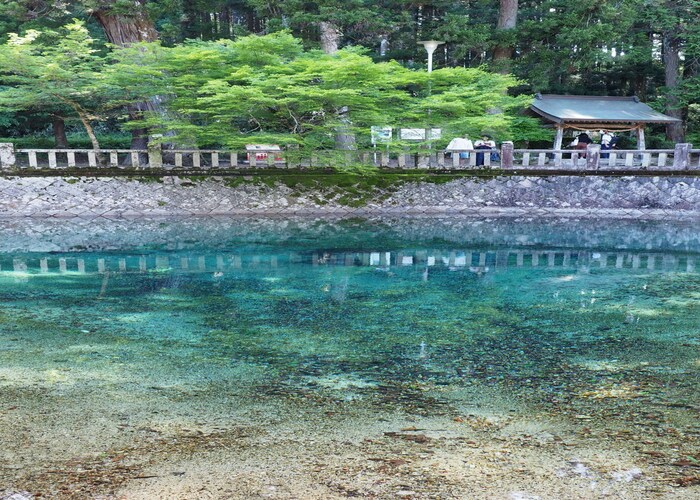
Introduction: The Art of Relaxation in Japan’s Onsen Culture
Few experiences capture the spirit of Japan like soaking in a natural hot spring surrounded by mountains, forests, or snow. Known as onsen, these hot springs have been part of Japanese life for centuries—offering both physical healing and deep relaxation. Serenity in Steam: Discover the Best Hot Spring Resorts in Japan for Ultimate Relaxation.
For travelers seeking peace, warmth, and a touch of traditional culture, Japan’s hot spring resorts are an unforgettable escape. Whether you imagine bathing beneath falling snow, gazing at cherry blossoms, or listening to the quiet trickle of a mountain stream, Japan’s onsens promise serenity unlike anywhere else on Earth.
This guide explores the best hot spring resorts in Japan, how to experience them, and what makes this ancient practice so special for both locals and visitors worldwide.
Why Japan’s Hot Spring Resorts Are World-Famous
Japan’s location on the Pacific Ring of Fire means it’s blessed with thousands of natural hot springs powered by volcanic energy. These mineral-rich waters are known for their healing properties—believed to soothe muscles, improve circulation, and rejuvenate the skin.
But the appeal of Japan’s onsens goes beyond health. They represent a balance of nature, culture, and mindfulness. Every onsen resort offers something unique—from rustic mountain baths to luxurious spa retreats overlooking the sea.
Here’s what makes them extraordinary:
- Natural Healing Waters: Rich in minerals like sulfur, magnesium, and calcium.
- Peaceful Environments: Most onsens are surrounded by forests, rivers, or snow-capped peaks.
- Cultural Experience: Enjoy traditional Japanese hospitality (omotenashi) and timeless customs.
- Seasonal Beauty: Hot springs change character with each season—from blooming spring gardens to serene winter snowscapes.
Top Hot Spring Destinations in Japan
Japan is home to more than 3,000 onsen resorts, each with its own personality and charm. Here are some of the most beautiful and culturally rich regions to visit.
1. Hakone – The Classic Escape Near Tokyo
Located just a short trip from Tokyo, Hakone is one of Japan’s most popular hot spring destinations. Surrounded by mountains and offering views of Mount Fuji on clear days, it’s the perfect mix of nature and accessibility.
Highlights:
- A variety of hot springs with scenic open-air baths (rotenburo).
- Traditional inns (ryokan) offering tatami rooms and kaiseki meals.
- Lake Ashi cruises and the famous Hakone Shrine nearby.
Best For: Travelers looking for an authentic onsen experience close to Tokyo.
2. Beppu – The City of Steam
Located on Kyushu Island, Beppu is one of the world’s most active geothermal areas. The city is famous for its dramatic steam vents rising from the ground—a surreal sight for first-time visitors.
Highlights:
- Over 2,000 hot spring sources, the most in Japan.
- The “Hells of Beppu” (Jigoku), unique hot springs known for their striking colors.
- Sand baths, mud baths, and steam rooms using natural geothermal energy.
Best For: Those who want a diverse and lively hot spring experience.
3. Kusatsu – The Healing Highlands
Nestled in Gunma Prefecture, Kusatsu Onsen is often ranked as Japan’s top hot spring town. The water here is highly acidic and believed to have powerful healing effects.
Highlights:
- The famous Yubatake (hot water field) where steaming water flows through wooden channels.
- Traditional public baths and open-air pools surrounded by mountains.
- A peaceful town atmosphere that feels untouched by time.
Best For: Visitors seeking traditional charm and therapeutic bathing.
4. Noboribetsu – Hokkaido’s Thermal Wonderland
Located in Hokkaido, Japan’s northernmost island, Noboribetsu offers an impressive variety of mineral-rich springs. The nearby Hell Valley (Jigokudani) adds a dramatic volcanic backdrop to the experience.
Highlights:
- Nine types of mineral waters, each offering different benefits.
- Steam vents, sulfur ponds, and scenic hiking trails.
- Comfortable resorts and luxury ryokans with private baths.
Best For: Nature lovers and those seeking a mix of adventure and relaxation.
5. Gero – The Jewel of Central Japan
Known as one of Japan’s “Three Famous Hot Springs,” Gero Onsen in Gifu Prefecture has been soothing visitors for over a thousand years.
Highlights:
- Silky, clear water said to make the skin soft and smooth.
- Charming riverside footbaths throughout the town.
- Easy access from Nagoya and scenic train journeys through the mountains.
Best For: Travelers who want relaxation paired with cultural exploration.
6. Yufuin – Tranquility with a View
Just a short distance from Beppu, Yufuin offers a quieter, more intimate onsen experience. Surrounded by rice fields and mountains, it’s perfect for those seeking peace and natural beauty.
Highlights:
- Boutique ryokans with private outdoor baths.
- Views of Mount Yufu while soaking in natural hot springs.
- Small-town charm with art museums and cafes.
Best For: Romantic getaways and peaceful retreats. Serenity in Steam: Discover the Best Hot Spring Resorts in Japan for Ultimate Relaxation.
Types of Hot Spring Experiences
Japan’s onsen culture offers a range of experiences for every traveler—from luxury to rustic charm.
1. Ryokan Onsen (Traditional Inns):
Stay in a tatami-mat room, enjoy a traditional multi-course dinner, and relax in a private or communal bath.
2. Outdoor Baths (Rotenburo):
Open-air baths surrounded by forests, mountains, or even snow—perfect for connecting with nature.
3. Public Bathhouses (Sento):
Found in cities and towns, these offer a more casual and local onsen experience.
4. Private Onsen Baths:
Ideal for couples or families who prefer privacy. Many resorts offer rooms with attached hot spring baths.
5. Day-Use Onsens:
Perfect for travelers passing through—no overnight stay required.
Best Seasons to Visit Japan’s Hot Springs
Each season adds its own magic to the onsen experience:
- Winter: The most enchanting time, especially when snow blankets the landscape.
- Spring: Enjoy cherry blossoms blooming around steaming baths.
- Summer: Relax in cool mountain resorts surrounded by greenery.
- Autumn: Bathe while admiring fiery red and golden leaves.
For a truly unforgettable moment, many travelers recommend visiting in winter or autumn, when the scenery is most dramatic.
Onsen Etiquette: The Heart of the Experience
Japanese onsens are not just about bathing—they’re about respect, mindfulness, and tradition. Following proper etiquette ensures a peaceful experience for everyone.
- Wash before entering. Always shower thoroughly at the washing area.
- No swimsuits. Onsens are typically enjoyed without clothing.
- Keep towels out of the water. Place your small towel on your head or beside the bath.
- Be quiet and respectful. Onsens are places for relaxation and reflection.
- Tattoos: Some onsens may restrict visible tattoos, though many are becoming more accepting.
Health Benefits of Onsen Baths
Hot spring waters are naturally rich in minerals that promote well-being. Depending on the spring’s composition, benefits may include:
- Improved blood circulation
- Relief from muscle and joint pain
- Skin cleansing and softening
- Stress reduction and improved sleep quality
- Detoxification through sweating
Many visitors describe a deep sense of calm and rejuvenation after soaking in natural thermal waters. Serenity in Steam: Discover the Best Hot Spring Resorts in Japan for Ultimate Relaxation.
Sustainability and Respect for Nature
Japan takes great care to preserve its geothermal resources. Many hot spring resorts are committed to eco-friendly practices, such as recycling heat energy and protecting local ecosystems.
When visiting, you can support sustainability by:
- Avoiding waste and conserving water.
- Choosing onsen resorts that emphasize eco-conscious management.
- Respecting local customs and natural surroundings.
High-Value Experiences Near Onsen Resorts
Enhance your trip by exploring nearby attractions:
- Visit traditional temples and shrines located near hot spring towns.
- Enjoy local cuisine, such as fresh seafood, soba noodles, or mountain vegetables.
- Attend seasonal festivals celebrating nature and community life.
- Combine your onsen stay with scenic train rides through Japan’s countryside.
FAQs: Hot Spring Resorts in Japan
1. Are hot spring resorts open year-round?
Yes, most operate year-round. Each season offers a different kind of beauty and experience.
2. Can foreigners use onsens?
Absolutely. Onsens welcome international visitors. Following basic etiquette ensures a respectful experience.
3. What should I bring to an onsen?
Most provide towels, toiletries, and robes. You just need comfortable clothes and a relaxed mindset.
4. Are tattoos allowed in onsens?
While some traditional onsens may restrict tattoos, many now accept them or offer private baths.
5. Are onsen baths mixed-gender?
Most are gender-separated, though some resorts offer private or family baths.
6. What are the health benefits of hot springs?
Onsen waters are rich in minerals that help relax muscles, improve circulation, and rejuvenate the skin.
7. Do I need to stay overnight at a resort to enjoy an onsen?
Not necessarily. Many onsens offer day-use passes for travelers.
Conclusion: A Journey into Tranquility
A visit to Japan’s hot spring resorts is more than a simple getaway—it’s a journey into mindfulness, tradition, and connection with nature. Each bath tells a story, each rising wisp of steam carries centuries of culture.
Whether you’re soaking under the stars in Hakone, surrounded by snow in Noboribetsu, or enjoying the quiet charm of Yufuin, the feeling remains the same: complete peace.
If you’re dreaming of a place where time slows down and every breath feels pure, Japan’s onsens await—a timeless retreat into warmth, wellness, and serenity.



Leave a Reply