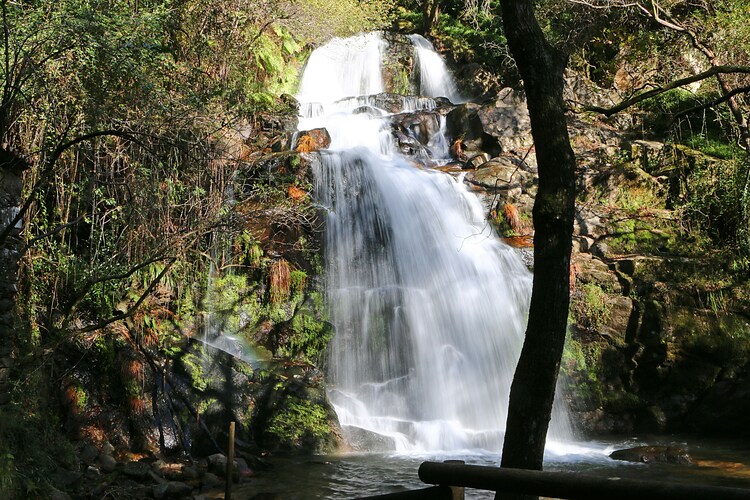
Nestled in the heart of Tasmania, Mt Field National Park is one of Australia’s oldest and most breathtaking natural reserves. Famous for its cascading waterfalls, lush rainforests, and diverse wildlife, this park offers something for every nature lover—from short scenic strolls to full-day hiking adventures. Mt Field National Park Waterfalls & Wildlife Hikes, TAS – Tour & Trek Guide.
Whether you’re planning a peaceful day trip from Hobart or a multi-day trek through alpine landscapes, Mt Field will leave you in awe of Tasmania’s untouched beauty. Let’s dive into everything you need to know before your visit—packed with local insights, travel tips, and essential details to make your experience smooth and memorable.
Overview: What Makes Mt Field National Park Special
Located about 64 kilometers northwest of Hobart, Mt Field National Park is part of the Tasmanian Wilderness World Heritage Area. Established in 1916, it is one of Tasmania’s oldest national parks and a true icon of the island’s natural beauty.
Why it’s famous:
- Russell Falls: The park’s most photographed attraction, this multi-tiered waterfall is easily accessible and stunning year-round.
- Horseshoe and Lady Barron Falls: These equally scenic falls are part of the Three Falls Circuit, a popular hiking trail that weaves through mossy rainforests.
- Alpine landscapes: Above the waterfalls, you’ll find glacial lakes, snow gums, and the stunning Lake Dobson area.
- Abundant wildlife: Keep an eye out for platypuses, pademelons, echidnas, and a variety of native bird species.
From dense fern forests to alpine moorlands, Mt Field showcases Tasmania’s rich diversity in one compact, easy-to-explore destination.
Best Time to Visit Mt Field National Park
Mt Field National Park is open all year, but the experience changes beautifully with the seasons.
Summer (December–February):
Perfect for long hikes and wildflower blooms. Trails are dry and accessible.
Autumn (March–May):
Known for the spectacular turning of the fagus, Australia’s only native deciduous tree. The foliage transforms into golden hues—a dream for photographers.
Winter (June–August):
Expect snow at higher altitudes like Lake Dobson. Great for short walks, snow play, or cross-country skiing.
Spring (September–November):
Waterfalls are at their fullest after the rains, and the forest comes alive with fresh greenery and birdlife.
Tip: Visit early in the morning or late afternoon to avoid crowds and enjoy the soft golden light around the falls.
How to Reach Mt Field National Park
By Road:
- From Hobart, it’s about a 1.5-hour drive (80 km) via the Lyell Highway (A10).
- The route passes through the Derwent Valley, offering scenic views and small towns like New Norfolk—perfect for a coffee stop.
By Public Transport:
- Regular public transport doesn’t reach the park directly. However, some local tour operators from Hobart offer day tours to Mt Field that include transport.
By Air:
- The nearest airport is Hobart International Airport (HBA). From there, rent a car or join a guided tour for a convenient trip.
Entry Fees and Permits
A valid Parks Pass is required for entry to Mt Field National Park.
- Approximate cost: Around AUD 44 per vehicle (valid for 24 hours) or AUD 89 for a holiday pass (valid up to 8 weeks).
- Prices are subject to change, so it’s best to check locally before your visit.
No special trekking permit is needed unless you plan to enter restricted conservation zones.
Food and Meal Options
While there are limited facilities inside the park, you’ll find a few convenient options nearby.
- Visitor Centre Café: Offers snacks, coffee, and light meals.
- Picnic Areas: Several scenic picnic spots are available near Russell Falls and Lake Dobson.
- Nearby Towns: New Norfolk and Westerway have small cafes, grocery stores, and restaurants if you prefer a hot meal before or after your hike.
Tip: Bring your own reusable water bottle and some snacks, as food options within the park are limited. Mt Field National Park Waterfalls & Wildlife Hikes, TAS – Tour & Trek Guide.
Packing List and Essentials
Pack smart depending on the season and your hiking plans.
Essentials to carry:
- Comfortable hiking shoes or waterproof boots
- Weatherproof jacket and layers (the weather can change quickly)
- Hat, sunscreen, and insect repellent
- Refillable water bottle
- Light snacks or packed lunch
- Map or GPS device (mobile reception may be limited)
- Camera or binoculars for wildlife spotting
- Small first-aid kit
- Trekking poles (optional for longer hikes)
Safety Tips and Local Regulations
Mt Field is well-managed and safe, but always follow these basic guidelines:
- Stay on marked trails to protect fragile ecosystems.
- Avoid feeding wildlife. It’s harmful to animals and attracts pests.
- Carry out all rubbish. There are limited bins within the park.
- Check weather forecasts before hiking, especially in alpine areas where conditions can change rapidly.
- Be cautious around waterfalls. Rocks can be slippery even in dry weather.
- Inform someone about your plans if you’re doing a full-day trek.
Tips for Beginners or First-Time Visitors
- Start with the Russell Falls Track, a short 20-minute return walk suitable for all ages.
- Extend your walk to include Horseshoe and Lady Barron Falls for a full circuit experience.
- If you have extra time, drive to Lake Dobson for a taste of alpine scenery.
- Wear comfortable layers—temperatures drop quickly even in summer.
- Visit the Visitor Information Centre for trail maps and wildlife tips. Mt Field National Park Waterfalls & Wildlife Hikes, TAS – Tour & Trek Guide.
Local Customs and Cultural Etiquette
Tasmania values its natural heritage deeply. As a visitor, show respect by:
- Practicing Leave No Trace principles.
- Speaking quietly on trails to preserve the park’s peaceful atmosphere.
- Respecting local wildlife—observe from a distance.
- Supporting local communities by buying locally made goods or produce outside the park.
Popular Waterfall and Wildlife Hikes
Here are some of Mt Field’s most loved trails:
1. Russell Falls Track
- Distance: 1.4 km return
- Time: 20–30 minutes
- Difficulty: Easy
- Highlights: Iconic waterfall, accessible boardwalk, lush fern forest
2. Three Falls Circuit
- Distance: 6 km loop
- Time: 2–3 hours
- Difficulty: Moderate
- Highlights: Russell, Horseshoe, and Lady Barron Falls; tall tree walk section
3. Tall Trees Walk
- Distance: 1 km loop
- Time: 30 minutes
- Difficulty: Easy
- Highlights: Towering swamp gums (Eucalyptus regnans), among the tallest trees on Earth
4. Lake Dobson to Pandani Grove Walk
- Distance: 1.5 km loop
- Time: 45 minutes
- Difficulty: Easy to moderate
- Highlights: Alpine vegetation, mirror-like lake reflections
Frequently Asked Questions (FAQs)
Q1: How long does it take to explore Mt Field National Park?
Most visitors spend half a day to a full day exploring the main falls and short walks. Serious hikers may spend 2–3 days exploring deeper trails.
Q2: What is the difficulty level of the hikes?
Most trails near the waterfalls are easy to moderate, suitable for families and beginners. Alpine treks near Lake Dobson may require moderate fitness.
Q3: Are restrooms available inside the park?
Yes, restrooms are available near the Visitor Centre and at Russell Falls car park.
Q4: Can you camp in Mt Field National Park?
Yes, the Mt Field Campground near the Visitor Centre offers powered and unpowered sites for tents, vans, and camper trailers.
Q5: Is there mobile phone reception?
Reception can be patchy in some areas, especially around Lake Dobson and deeper forest trails.
Q6: What kind of wildlife can I see?
You may spot wallabies, echidnas, platypuses, and Tasmanian pademelons. Birdwatchers can see rosellas, pardalotes, and currawongs.
Q7: Is Mt Field National Park suitable for kids and seniors?
Absolutely. The Russell Falls and Tall Trees walks are perfect for all ages and accessible for most fitness levels.
Q8: Are guided tours available?
Yes, guided walking tours from Hobart or local nature tours often include Mt Field as part of their itinerary.
Q9: What’s the park’s altitude?
Mt Field’s highest point reaches about 1,434 meters (Mount Field West), with most visitor areas around 600–1,000 meters elevation.
Q10: Do I need any special equipment for hiking?
Basic hiking gear and comfortable shoes are enough for short trails. For alpine treks, carry warm layers and waterproof clothing.
Final Thoughts
Mt Field National Park is a true Tasmanian gem—a place where waterfalls thunder through fern-lined gorges, alpine lakes shimmer in the sun, and wildlife roams freely in the forest. Whether you’re after a short family-friendly walk or a full-day wilderness trek, Mt Field offers a refreshing escape into nature that stays with you long after your trip ends.
Take your time, tread lightly, and let Tasmania’s wild beauty work its quiet magic.






Leave a Reply