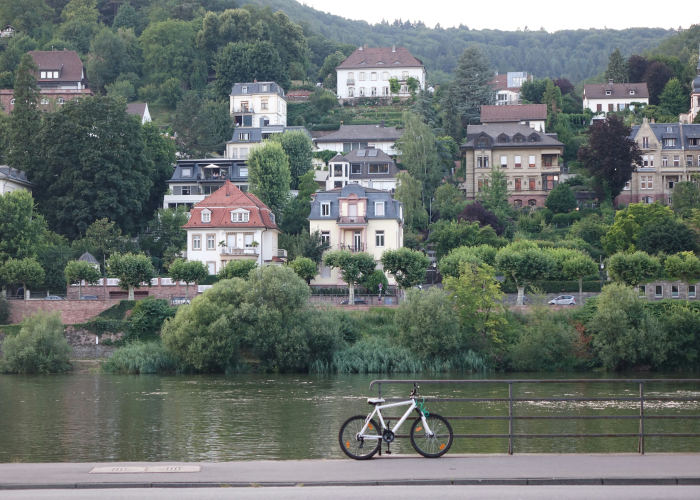
Overview
The Rhein-Radweg, also known as the Rhine Cycle Route, is one of Europe’s most iconic long-distance trails. Stretching from the Swiss Alps to the North Sea, this route follows the majestic Rhine River through Switzerland, Germany, France, and the Netherlands. It’s famous not just for its length—over 1,200 km—but for its breathtaking diversity. Rhein‑Radweg cycling & walking sections, Tour & Trek.
The cycling and walking sections of the Rhein-Radweg offer travelers a unique way to explore Germany’s river landscapes, medieval towns, vineyards, and castles. Whether you choose to pedal along the riverbanks or stroll through picturesque villages, this trail promises an unforgettable combination of nature, culture, and history.
Located primarily in western Germany, the Rhein-Radweg passes through famous regions such as the Upper Middle Rhine Valley, a UNESCO World Heritage Site known for its dramatic cliffs, romantic castles, and terraced vineyards. The trail’s well-marked paths and accessibility make it a favorite for both seasoned cyclists and casual walkers from around the world.
Best Time to Visit
The best time to explore the Rhein-Radweg is from April to October, when the weather is mild and the landscapes are at their most vibrant.
- Spring (April–June): Ideal for walking and cycling, with blooming wildflowers and fewer crowds.
- Summer (July–August): Warm temperatures and long days make for perfect cycling conditions. Expect more tourists along the popular Rhine Valley.
- Autumn (September–October): Cooler air and colorful vineyards create a peaceful, scenic experience.
Avoid winter months if possible, as some sections may be icy or closed due to river flooding or maintenance.
How to Reach
By Train
Germany’s efficient rail network makes the Rhein-Radweg highly accessible. Major cities along the route—such as Basel, Mainz, Koblenz, Bonn, Cologne, and Düsseldorf—are all well connected by regional and long-distance trains. Many stations allow you to bring your bicycle onboard with a small additional fee.
By Road
If you’re driving, the A3 and A61 highways run parallel to parts of the Rhine, with numerous exit points leading directly to trail towns. Parking is available near most trailheads and ferry crossings.
By Air
For international travelers, the closest airports are:
- Frankfurt International Airport (FRA) – convenient for central Rhine sections.
- Cologne Bonn Airport (CGN) – ideal for northern Rhine sections.
- Basel EuroAirport (BSL) – best for southern starting points.
Local train and bus connections from these airports make onward travel simple. Rhein‑Radweg cycling & walking sections, Tour & Trek.
Entry Fees and Permits
The Rhein-Radweg trail is free to access. There are no official entry fees or permits required for walking or cycling along the route. However, fees may apply for:
- Bicycle rentals or luggage transport services (optional).
- Entry to castles, museums, or viewpoints along the way (subject to change, typically €5–€15).
- Ferry crossings across the Rhine (approx. €2–€6 per person).
Always check updated local information before starting your journey, as seasonal changes may affect pricing.
Food Availability and Meal Options
Food and refreshment options are abundant along the Rhein-Radweg. The route passes through numerous villages, vineyards, and riverside towns where travelers can stop for meals or snacks.
- Cafés and bakeries are found in most towns, perfect for breakfast or mid-day breaks.
- Traditional German inns (Gasthäuser) offer hearty local dishes like schnitzel, sausages, and potato dumplings.
- Vineyard restaurants in the Middle Rhine area serve regional wines and seasonal menus.
- Supermarkets and picnic spots are easily available for travelers who prefer to carry their own food.
Vegetarian and vegan options are becoming more common, especially in larger towns such as Cologne and Bonn.
Packing List and Essentials
For a comfortable and safe experience, pack light but smart. Here’s what you’ll need:
Clothing
- Breathable, quick-dry shirts and trekking trousers
- Lightweight waterproof jacket
- Comfortable walking shoes or cycling shoes
- Hat, sunglasses, and sunscreen
Gear
- Reusable water bottle
- Small daypack or panniers (for cyclists)
- Power bank and travel charger
- Trail map or GPS device
- Basic first-aid kit
Extras
- Rain cover or poncho
- Snacks and energy bars
- Camera for scenic shots along the Rhine
If cycling, ensure your bike is in top condition and carry basic repair tools like a pump, spare tubes, and a multitool.
Safety Tips and Local Regulations
The Rhein-Radweg is well-maintained, but it’s still important to stay aware and follow local guidelines:
- Stick to marked paths. Many areas run close to the river or roads, so watch for signage.
- Follow traffic rules if cycling—use lights, wear a helmet, and signal turns.
- Avoid swimming in the Rhine, as currents can be dangerously strong.
- Check weather forecasts before setting out. Heavy rain can cause temporary flooding.
- Respect wildlife and avoid littering. The Rhine ecosystem is home to many protected species.
Emergency numbers in Germany: 112 for general emergencies, 110 for police. Rhein‑Radweg cycling & walking sections, Tour & Trek.
Tips for Beginners or First-Time Visitors
If you’re planning your first cycling or walking tour along the Rhein-Radweg, here are a few practical tips:
- Start with a short section—the stretch between Koblenz and Boppard is scenic and manageable.
- Plan daily distances realistically: around 40–60 km for cyclists, 10–20 km for walkers.
- Use luggage transfer services if you prefer lighter travel days.
- Book accommodation in advance during summer months.
- Carry some cash, as small cafés or ferry crossings may not accept cards.
Local Customs and Cultural Etiquette
Germany is known for its orderliness and respect for nature. While exploring the Rhein-Radweg, keep these customs in mind:
- Greet locals with a friendly “Guten Tag” or “Hallo.”
- Stay on paths—walking through private vineyards or farms is discouraged.
- Recycle waste properly using the color-coded bins found throughout towns.
- Observe quiet hours in villages, typically after 10 p.m.
- Tip modestly (around 5–10%) for meals or services.
Understanding and respecting these small customs enhances your experience and fosters positive connections with locals.
Frequently Asked Questions (FAQs)
1. How long is the Rhein-Radweg trail?
The full route stretches about 1,233 km from the source of the Rhine in Switzerland to the North Sea in the Netherlands. Travelers often explore specific sections within Germany.
2. What is the difficulty level?
Most sections are easy to moderate, suitable for families, leisure cyclists, and casual walkers. Terrain is mostly flat with some gentle slopes near vineyards.
3. How many days are needed?
Cyclists can cover popular sections in 3–7 days, while walkers may prefer shorter day loops or weekend trips.
4. Are restrooms available along the route?
Yes. Public restrooms are available in train stations, restaurants, and tourist centers. Some small villages may have fewer facilities, so plan accordingly.
5. Is accommodation available along the way?
Absolutely. From riverside hotels and hostels to guesthouses and campsites, there are plenty of options for every budget.
6. Is it family-friendly?
Yes, especially the well-paved sections near Bonn, Cologne, and Mainz. Many families choose shorter, traffic-free stretches for safe cycling.
7. Can I bring my own bike?
Yes. You can bring your bike on most regional trains with a bike ticket. Rental bikes are also widely available in major Rhine towns.
8. Are guided tours available?
Yes, but many travelers prefer self-guided trips thanks to the clear trail markings and convenient facilities.
Final Thoughts
The Rhein-Radweg cycling and walking route is more than just a trail—it’s a journey through centuries of European culture, framed by stunning natural scenery. Whether you’re gliding past castle ruins on two wheels or walking under the shade of riverside trees, each section of the Rhine reveals a new story.


Leave a Reply