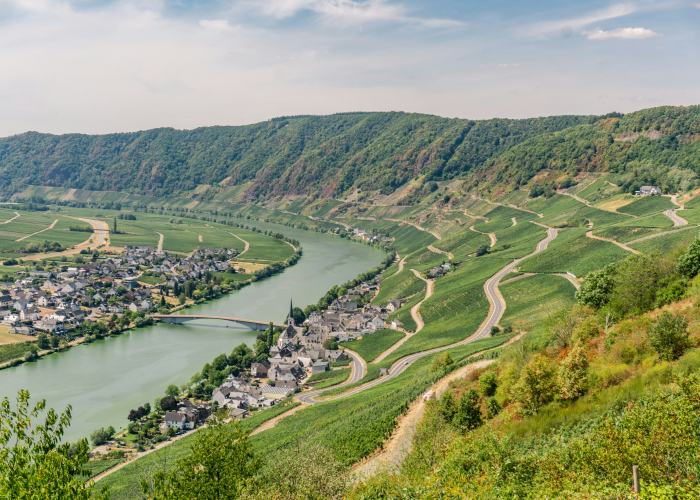
Overview
Cycling along the Moselle and Rhine Rivers offers one of Europe’s most scenic and peaceful travel experiences. These two river valleys, winding through western Germany, combine natural beauty with cultural richness. From historic cities like Koblenz, Trier, and Mainz to charming wine-producing villages tucked between rolling hills, the city-to-village cycling routes along the Moselle and Rhine blend outdoor adventure with timeless European landscapes. City‑to‑village cycling on Moselle and Rhine, Tour & Trek.
Both river routes are part of Germany’s extensive cycling network. The Mosel-Radweg (Moselle Cycle Path) and the Rhein-Radweg (Rhine Cycle Path) are known for their smooth, well-marked trails, making them ideal for all levels — from first-time riders to seasoned cyclists. As you pedal between cities and villages, you’ll pass vineyards, medieval castles, and riverside cafés — an experience that perfectly captures Germany’s slower, scenic side.
Best Time to Visit
The best time for cycling along the Moselle and Rhine is April to October.
- Spring (April–May): Mild weather, blooming landscapes, and fewer tourists.
- Summer (June–August): Warm days perfect for long rides and outdoor breaks. Expect more visitors, especially near larger towns.
- Autumn (September–October): Ideal temperatures and stunning vineyard colors during harvest season.
Winter months are less suitable due to cold weather and shorter daylight hours, though some locals still enjoy short weekend rides.
How to Reach
The Moselle and Rhine valleys are easy to reach by air, train, or road.
- By Air:
Major airports such as Frankfurt, Cologne/Bonn, and Luxembourg provide access to the region. From these hubs, trains or rental cars can take you directly to starting points like Trier, Cochem, or Koblenz. - By Train:
Germany’s Deutsche Bahn (DB) offers direct train connections along both rivers. Many trains include bike-friendly compartments, making it easy to hop on or off at various points. - By Road:
Highways like the A1, A48, and A61 run parallel to the river valleys. Parking is available in most towns, and local cycling routes connect to the main river paths.
Entry Fees and Permits
Cycling along the Moselle and Rhine trails is free of charge. There are no entry fees or special permits required for most routes.
However, some museums, castles, or vineyards along the way may charge small entrance fees (typically €5–€10 per visit, subject to change). Ferry crossings or special cycle shuttles may also have minimal charges.
Food Availability and Meal Options
One of the joys of cycling in this region is the abundance of food options. Every village along the Moselle and Rhine offers local specialties and hearty German meals to keep you energized.
You’ll find:
- Cafés and bakeries serving pastries, sandwiches, and coffee.
- Taverns and vineyards offering regional wines and snacks.
- Traditional German cuisine like sausages, pretzels, potato dishes, and river fish. City‑to‑village cycling on Moselle and Rhine, Tour & Trek.
- Vegetarian and vegan options in larger towns and eco-lodges.
It’s easy to plan meals around cycling stops — many riverside cafés cater to cyclists with bike stands and outdoor seating. Carry light snacks such as fruit, granola bars, and water for longer stretches.
Packing List and Essentials
Cycling the Moselle and Rhine is enjoyable with the right gear.
Essentials include:
- Comfortable touring or hybrid bike (rentals available locally).
- Helmet and reflective gear for safety.
- Waterproof jacket for unexpected rain.
- Cycling gloves, sunglasses, and breathable clothing.
- Repair kit, spare tube, and tire pump.
- Reusable water bottle and compact snacks.
- Map or GPS navigation app (mobile signal is strong along most routes).
- Power bank for your phone or GPS device.
If planning a multi-day trip, pack light — panniers or saddlebags are convenient for carrying essentials.
Safety Tips and Local Regulations
Cycling in Germany is generally safe, but a few guidelines make the experience even smoother:
- Always use designated cycle paths. The Moselle and Rhine routes are clearly marked with signs.
- Wear helmets. While not mandatory for adults, helmets are strongly recommended.
- Follow traffic rules. Germany enforces strict cycling laws, including signaling turns and stopping at lights.
- Keep right on shared paths and alert pedestrians with a bell.
- Stay hydrated — especially during summer rides.
- Avoid cycling at night in rural sections unless your bike has proper lighting.
In case of emergency, dial 112 (the general emergency number across Germany).
Tips for Beginners or First-Time Visitors
- Start with shorter routes: The Moselle River trail between Cochem and Bernkastel-Kues (about 50 km) is ideal for beginners.
- Take scenic breaks: Visit small wine villages, riverside picnic areas, or historic castles along the way.
- Plan overnight stops: Many villages have bike-friendly guesthouses and small hotels designed for cyclists.
- Check bike rentals in advance: Many stations and hotels rent bikes and e-bikes by the day or week.
- Travel light: Avoid overpacking — most essentials can be bought in towns along the route. City‑to‑village cycling on Moselle and Rhine, Tour & Trek.
Local Customs or Cultural Etiquette
Cyclists will find locals along the Moselle and Rhine regions friendly and welcoming. A few simple customs help travelers blend in:
- Greet with “Guten Tag” or “Hallo” when entering small shops or cafés.
- Respect quiet hours — many towns value peace, especially in the evenings.
- Be polite on trails: Say “Danke” when other cyclists or pedestrians give way.
- Tipping: A 5–10% tip in restaurants or cafés is customary.
- Respect vineyards and farmland: Stay on marked paths and avoid picking grapes or fruit.
Germany places a strong emphasis on environmental respect, so keep the trails clean and recycle waste whenever possible.
FAQ Section
Q1. How long are the Moselle and Rhine cycling routes?
The Moselle Cycle Path runs about 250 km from France to the Rhine in Koblenz. The Rhine Cycle Path stretches over 1,200 km, with shorter scenic segments ideal for day trips.
Q2. What is the difficulty level?
Both routes are mostly flat and well-paved, suitable for beginners and families.
Q3. Can I rent bikes locally?
Yes, bike rentals and e-bikes are available in major towns like Trier, Koblenz, Mainz, and Cochem.
Q4. Are there restrooms along the route?
Public restrooms are available in train stations, cafés, and visitor centers. Rural stretches may have fewer facilities, so plan accordingly.
Q5. Is it safe for solo travelers?
Absolutely. These routes are among Europe’s safest and most organized cycling trails.
Q6. Are there guided cycling tours?
Yes, local companies offer guided or self-guided tour packages, including accommodation and luggage transfers.
Q7. What is the best scenic section?
The Moselle Valley between Trier and Cochem and the Rhine Gorge between Bingen and Koblenz are the most scenic stretches.
Q8. Are there camping options?
Yes, official campsites and riverfront camping parks are available along both rivers. Wild camping is not permitted.
Q9. Can I bring my bike on trains?
Yes, most regional and long-distance trains allow bikes for a small fee. Always check train schedules and bike space availability.
Q10. Is mobile coverage reliable?
Yes, network coverage is strong along both river routes, even in smaller villages.
Final Thoughts
Cycling from city to village along the Moselle and Rhine rivers captures the essence of Germany’s outdoor charm — a perfect mix of nature, culture, and relaxation. These routes are more than just trails; they’re living stories of medieval castles, riverside vineyards, and local life unfolding at a gentle pace.





Leave a Reply