Overview
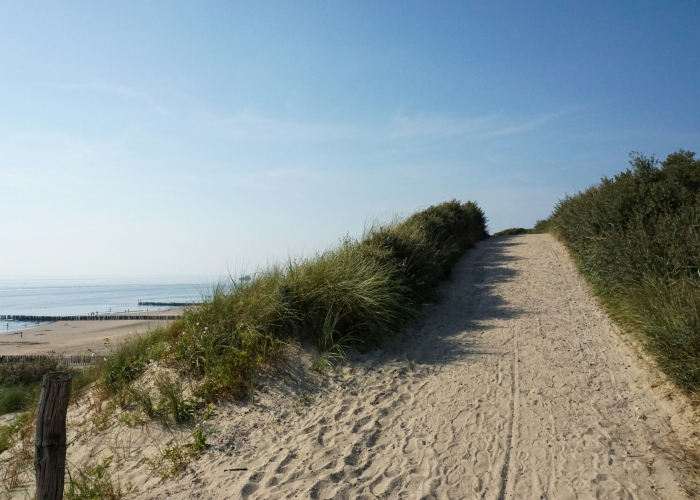
Northern Germany offers some of the most tranquil and scenic walking routes in Europe. Its coastline stretches along both the North Sea and the Baltic Sea, with a mix of sandy beaches, grassy dunes, and wide-open heathlands. The coastal heath and beach walks here are ideal for travelers seeking relaxation, nature, and soft adventure — far from the bustle of cities. Northern Germany coastal heath and beach walks, Tour & Trek.
These trails are known for their breathtaking sea views, birdwatching opportunities, and diverse landscapes. The blend of salty air, coastal pine forests, and colorful heath flowers creates an almost meditative atmosphere. Whether walking through the Lüneburg Heath, exploring the Wadden Sea National Park, or following Baltic coastal routes like Fischland-Darß-Zingst, trekkers find a peaceful connection with nature that defines the Northern German landscape.
Best Time to Visit
The best months to explore Northern Germany’s coastal trails are May to September. During this period, the weather is mild, and daylight hours are long — ideal for outdoor walking.
- Spring (April–May): Pleasant temperatures and blooming heathlands.
- Summer (June–August): Warm weather, perfect for beach walks and swimming.
- Autumn (September–October): Cooler air, golden landscapes, and fewer crowds.
Avoid late autumn and winter (November–March) when coastal winds are strong and daylight is limited.
How to Reach
Northern Germany’s coast is well-connected by train, road, and air.
- By Air:
Major airports like Hamburg, Bremen, and Lübeck are gateways to the northern region. From there, regional trains and buses connect to coastal towns. - By Train:
Germany’s Deutsche Bahn (DB) network offers regular connections to destinations like Cuxhaven, Kiel, Rostock, and Stralsund. For smaller villages or islands, local trains and buses are available. - By Road:
Highways such as A1, A7, and A20 run parallel to the coast, making self-driving a convenient option. Car rentals are widely available in major cities.
Entry Fees and Permits
Most walking trails and beaches in Northern Germany are free to access. However, some nature reserves or national parks may require a small entry fee or parking charge (usually between €3–€10 per day, subject to change).
If visiting Wadden Sea National Park, guided tours to tidal flats may have separate booking costs. Always check local visitor centers for updated regulations before setting out.
Food Availability and Meal Options
Coastal villages and small towns along the routes provide excellent food options. Expect to find local bakeries, cafés, and seaside restaurants serving fresh seafood and regional dishes.
Common food options include:
- Fish sandwiches (Fischbrötchen) — a local favorite.
- Smoked herring, cod, and shrimp dishes.
- Traditional German soups and stews for cooler days.
- Vegan and vegetarian cafés in larger towns like Lübeck and Rostock.
For long walks, pack snacks like fruits, nuts, and energy bars. Water refill stations are available in most towns.
Packing List and Essentials
Pack light but smart — coastal weather can change quickly.
Essentials:
- Comfortable walking shoes or light hiking boots
- Waterproof jacket and windbreaker
- Lightweight daypack
- Sun hat, sunglasses, and sunscreen
- Reusable water bottle
- Trail map or GPS-enabled phone
- Power bank for longer treks
- Small first-aid kit and insect repellent
If walking near dunes or nature reserves, avoid cotton clothing — quick-dry fabrics are better suited to coastal humidity.
Safety Tips and Local Regulations
- Stay on marked trails: To protect wildlife and dunes, walking off-path is restricted in many areas.
- Respect wildlife: Northern Germany’s coast is home to seals, migratory birds, and rare plants. Avoid disturbing them.
- Tide awareness: If walking near tidal zones, check tide schedules — especially around the Wadden Sea.
- Emergency contacts: Dial 112 for any emergency across Germany.
- Weather check: Coastal conditions can change rapidly; carry a light rain jacket even in summer. Northern Germany coastal heath and beach walks, Tour & Trek.
Tips for Beginners or First-Time Visitors
- Start with short routes: Many trails offer easy 5–10 km loops, perfect for beginners.
- Take regular breaks: Enjoy scenic benches or beach cafés along the way.
- Use local signage: Trails are well-marked with colored symbols; familiarize yourself with them before starting.
- Plan accommodation early: During summer, beachside lodges and guesthouses fill up quickly.
- Carry cash: Some small eateries or local buses may not accept cards.
Local Customs or Cultural Etiquette
Northern Germany is known for its polite and nature-respecting culture. Visitors are encouraged to:
- Greet hikers with “Moin” or “Hallo” — a friendly hello common in northern regions.
- Keep noise low in nature reserves and villages.
- Dispose of waste properly — many trails emphasize eco-friendly travel.
- Respect private land signs; some scenic routes pass close to farms or residential areas.
Sundays are typically quiet in Germany; shops may be closed, but restaurants and bakeries often open in tourist areas.
FAQ Section
Q1. How long does a typical coastal walk take?
Most short routes take 2–4 hours, while multi-day treks like the Baltic Coastal Trail can span several days.
Q2. What is the difficulty level?
Easy to moderate. The terrain is mostly flat with sandy or grassy paths. Ideal for families and casual walkers.
Q3. What is the average altitude?
Northern Germany’s coastal areas are low-lying, generally 0–50 meters above sea level.
Q4. Are restrooms available along the trail?
Yes, restrooms can be found in visitor centers, cafés, and near parking areas. On rural paths, facilities may be limited.
Q5. Can I swim along the beaches?
Yes, swimming is permitted at designated beaches. Lifeguards are usually present in summer.
Q6. Is it suitable for kids and seniors?
Absolutely. The flat terrain and short distances make it perfect for families and older visitors.- Northern Germany coastal heath and beach walks, Tour & Trek.
Q7. Are dogs allowed on trails?
Dogs are welcome but must be on a leash in nature reserves and beaches with wildlife.
Q8. Are guided tours available?
Yes, guided walking and nature tours are offered in national parks and major coastal towns.
Q9. Can I camp along the coast?
Wild camping is not allowed, but official campsites and beachside accommodations are available.
Q10. Is there mobile network coverage?
Most regions have good coverage, though remote stretches near dunes may have weaker signals.
Final Thoughts
Walking across Northern Germany’s coastal heath and beach landscapes is about reconnecting with simplicity — the rhythm of waves, wind through tall grass, and the soft crunch of sand underfoot. These trails are not just for seasoned hikers; they’re for anyone seeking a gentle adventure in nature.





Leave a Reply