Overview: What is It, Where is It Located, and Why It’s Famous
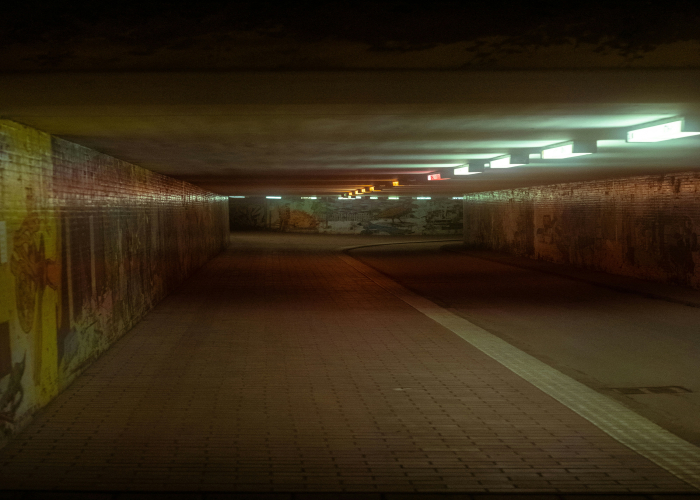
Hidden beneath the bustling streets of Germany’s capital lies a different kind of Berlin — one that whispers the stories of war, survival, and post-war reconstruction. The Tour of Subterranean Berlin, also known as the Berliner Unterwelten, takes visitors deep into the city’s underground tunnels, air raid shelters, and bunkers that date back to World War II and the Cold War era. Tour of Subterranean Berlin (WWII tunnels, Berliner Unterwelten), Tour & Trek.
Located in northern Berlin, mainly around the Gesundbrunnen district, these underground complexes reveal the city’s complex past. They served as bomb shelters, supply depots, and escape routes during times of turmoil. Today, they have been carefully preserved and opened for educational tours that shed light on Berlin’s hidden infrastructure and the resilience of its citizens.
What makes this tour so unique is its authenticity. You aren’t walking through a modern museum — you’re literally moving through the same tunnels where civilians once sought refuge during air raids. It’s a journey through time, history, and human endurance beneath one of Europe’s most modern capitals.
Best Time to Visit
Subterranean Berlin can be visited year-round since it’s an indoor experience, but the best time depends on your travel preferences:
- Spring (April to June): Mild temperatures make it pleasant to explore both underground and above-ground attractions.
- Autumn (September to October): Fewer crowds and comfortable weather make for a balanced experience.
- Summer (July to August): The tunnels remain cool even in hot weather, offering a refreshing break from the city’s heat.
- Winter (November to February): A great option for those who prefer quieter tours and are interested in Berlin’s wartime atmosphere.
Keep in mind that the tunnels can be damp and cool year-round, so a light jacket is recommended even in summer.
How to Reach
By Air:
Berlin is served by Berlin Brandenburg Airport (BER), which connects to major cities in Europe, the USA, and beyond. From the airport, you can reach central Berlin by train or taxi in about 30–40 minutes.
By Train:
If you’re arriving from other parts of Germany or neighboring countries, Berlin’s Hauptbahnhof (Main Station) offers excellent high-speed rail connections. From there, take the S-Bahn (local train) to Gesundbrunnen Station, where most Unterwelten tours begin.
By Road:
Berlin is well-connected via highways from other major German cities. Parking near Gesundbrunnen can be limited, so public transport is recommended.
By Local Transit:
Berlin’s public transport network (S-Bahn, U-Bahn, and buses) is efficient. The U8 line (Gesundbrunnen stop) provides direct access to the Berliner Unterwelten entry point.
Entry Fees and Permits
- Entry Fees: The standard entry fee for the Berliner Unterwelten tours ranges approximately from €12–€20 per adult, depending on the specific tour theme and duration.
- Permits: No special permits are required for general visitors. However, some specialized tours or photography sessions may need prior approval.
- Advance Booking: Recommended, as group sizes are limited for safety and crowd control.
- Age Restrictions: Children below a certain age (usually 7 or 8 years) may not be permitted due to safety reasons. Tour of Subterranean Berlin (WWII tunnels, Berliner Unterwelten), Tour & Trek.
(Fees are subject to change.)
Food Availability and Meal Options
Since the tour takes place underground, there are no food or beverage stalls inside the tunnels. Visitors are advised to eat before or after the experience.
Nearby, in the Gesundbrunnen and Mitte districts, you’ll find a wide range of restaurants, cafés, and bakeries offering everything from traditional German meals to international cuisine.
- Pre-tour meals: Light snacks or sandwiches are ideal before entering.
- Post-tour dining: Try local eateries for classic dishes like currywurst, schnitzel, or vegetarian options popular among Berlin locals.
- Hydration: Carry a bottle of water, but note that drinking is generally not allowed inside the tunnels.
Packing List and Essentials
While the tour doesn’t require trekking gear, a few essentials can make your experience more comfortable:
- Comfortable walking shoes with good grip
- Lightweight jacket or sweater (tunnel temperatures can drop below 15°C)
- Small backpack or crossbody bag
- Flashlight (optional; most areas are lit but dim)
- Identification documents (some tours may request ID)
- Water bottle (for before or after the tour)
Avoid carrying large bags or valuables, as space inside the tunnels is limited.
Safety Tips and Local Regulations
The Berliner Unterwelten tours follow strict safety standards, but being mindful enhances your experience:
- Follow the guide’s instructions at all times; tunnels can have narrow passages and low ceilings.
- Photography restrictions: Flash photography is usually not allowed to protect artifacts and maintain atmosphere.
- Watch your step: Surfaces can be uneven or slippery.
- Claustrophobia caution: If you’re uncomfortable in enclosed spaces, inform the guide beforehand.
- Emergency exits: All tours include clear evacuation plans.
- Respect the site: This is a historical space, not a theme park. Maintain silence and respect the stories shared. Tour of Subterranean Berlin (WWII tunnels, Berliner Unterwelten), Tour & Trek.
Tips for Beginners or First-Time Visitors
If this is your first time exploring historical underground sites, here are some quick tips:
- Book early: Tours often sell out, especially during summer or weekends.
- Wear closed shoes: Comfort and stability are more important than fashion underground.
- Arrive early: Allow extra time for ticket collection or orientation.
- Stay with the group: It’s easy to lose your way in the tunnels.
- Listen carefully: Guides share valuable historical insights that make the experience meaningful.
- Take your time: Absorb the details, from wall markings to ventilation systems — every part tells a story.
Local Customs or Cultural Etiquette
Berlin is a city deeply connected to its past, and sites like the Unterwelten are treated with sensitivity.
- Respect for History: Avoid making jokes or loud remarks during the tour.
- Photography Etiquette: Always ask if taking pictures is permitted before clicking.
- Group Behavior: Maintain a respectful silence during storytelling sections.
- Cultural Sensitivity: Many visitors have personal or family connections to WWII; be mindful of emotions and discussions.
The goal of the Berliner Unterwelten experience is education and remembrance, not entertainment — understanding this context enriches your visit.
Frequently Asked Questions (FAQs)
Q1: How long does the Subterranean Berlin tour last?
Most tours last between 60 and 90 minutes, depending on the route and historical focus.
Q2: What is the difficulty level of the tour?
It’s moderately easy — expect some steps, narrow tunnels, and standing for long periods.
Q3: Are restrooms available during the tour?
Restrooms are located outside the tunnels near the ticket area, not within the underground network.
Q4: Is photography allowed?
Photography is usually restricted for safety and conservation reasons. Always confirm before taking pictures.
Q5: Is it safe for children?
Yes, but age restrictions apply. Most tours are suitable for children 8 years and above, accompanied by adults.
Q6: Can I visit the tunnels without a guide?
No. Due to safety and preservation laws, independent entry is not allowed. All visits are guided.
Q7: What should I wear inside the tunnels?
Wear comfortable, closed footwear and a light jacket — the tunnels remain cool and slightly humid.
Q8: How far underground are the tunnels?
They typically extend 10–20 meters below ground, though some sections are deeper.
Q9: Is the tour available in English?
Yes. Many tours are available in English and German, with multilingual guides during peak season.
Q10: Are the tunnels wheelchair accessible?
Some sections are narrow or have stairs, so accessibility may be limited. It’s best to inquire in advance.
Additional Insights: Why the Subterranean Berlin Tour Matters
The Berliner Unterwelten is more than a tour—it’s a walk through time. The walls, graffiti, and artifacts preserved underground tell stories of ordinary Berliners who faced extraordinary times.
Visitors witness how the city’s infrastructure adapted through war, division, and reunification, revealing layers of Berlin’s history that textbooks can’t convey. For many, this experience brings an emotional connection — a reminder of the resilience of humanity amidst conflict.
It also highlights the remarkable engineering of the era: the construction of bunkers, escape tunnels under the Berlin Wall, and Cold War shelters that reflect both fear and innovation.
For history enthusiasts, urban explorers, and anyone curious about Europe’s past, Subterranean Berlin stands as one of the most compelling and educational experiences in Germany.
Final Thoughts
The Tour of Subterranean Berlin (WWII Tunnels, Berliner Unterwelten) offers a rare opportunity to journey beneath a modern metropolis into its historic depths. It’s not just about seeing artifacts; it’s about feeling history—the cool air, the echo of footsteps, and the stillness that once sheltered thousands during some of Berlin’s darkest hours.




Leave a Reply