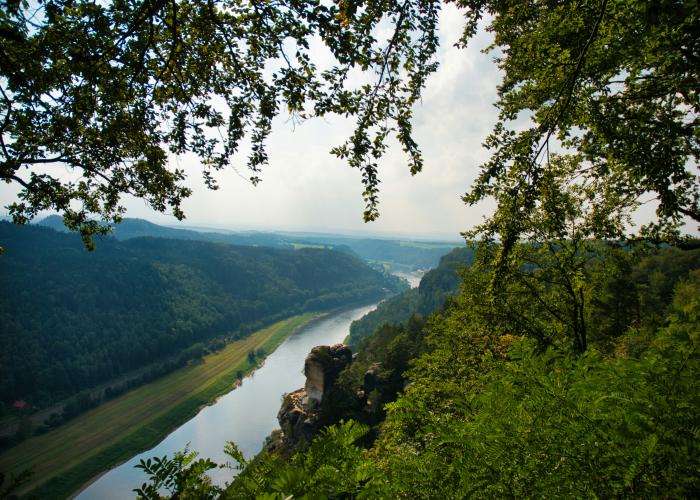
Overview: Germany’s Legendary Rhine Valley Trail
The Rheinsteig long-distance trail is one of Germany’s most iconic hiking routes, stretching for nearly 320 kilometers along the eastern banks of the Middle Rhine Valley, between Bonn and Wiesbaden. This UNESCO World Heritage region is renowned for its dramatic river landscapes, terraced vineyards, medieval castles, and charming old towns perched above the Rhine. Rheinsteig long-distance trail along Rhine Gorge (~300 km), Tour & Trek.
The Rheinsteig is a paradise for walkers who love variety. Its trails weave through dense forests, steep vineyards, and historic villages, offering constant views of the winding Rhine River below. Unlike the flatter riverbank walks, the Rheinsteig follows elevated paths through the Rhine Gorge (Mittelrheintal), giving hikers panoramic vistas and a sense of timeless beauty.
What makes the Rheinsteig special is how seamlessly it combines natural beauty, cultural history, and physical challenge. Each stage of the trail reveals new treasures—from the legendary Loreley Rock and Marksburg Castle to peaceful vineyards and quiet river ferries. Whether you’re hiking a few sections or completing the full route, the Rheinsteig offers an unforgettable journey through the heart of Germany’s romantic landscape.
Best Time to Visit
The Rheinsteig is accessible most of the year, but the best experience comes during spring to autumn.
- April to June: Mild weather, blooming wildflowers, and fresh greenery.
- July to September: Warm temperatures and vineyard activity; ideal for longer hikes.
- October: The Rhine Valley glows with autumn colors, and the air is crisp and clear.
- November to March: Some sections may be slippery or closed due to weather.
For comfortable hiking conditions and good daylight, May to September is generally the best window.
How to Reach
The Rheinsteig is very well connected by Germany’s transport network, making it easy for both local and international visitors.
By Air:
- The nearest major airports are Frankfurt International Airport (FRA) and Cologne/Bonn Airport (CGN).
- Both airports have direct train links to trail towns such as Bonn, Koblenz, and Wiesbaden.
By Train:
- The Deutsche Bahn (DB) runs frequent trains along the Rhine Valley.
- Key stops include Bonn, Königswinter, Koblenz, Boppard, St. Goarshausen, Rüdesheim, and Wiesbaden.
- These stations allow easy access to various entry and exit points along the trail.
By Road:
- Major highways (A3, A61) run parallel to the Rhine, making it convenient for those driving.
- Parking is available in most trail towns, especially near ferry terminals or trailheads. Rheinsteig long-distance trail along Rhine Gorge (~300 km), Tour & Trek.
By Ferry:
- Several river ferries connect the eastern and western banks, providing flexibility for those combining the Rheinsteig with the RheinBurgenWeg trail on the opposite side.
Entry Fees and Permits
- Trail Access: The Rheinsteig is free to hike.
- National Park Areas: Some sections may require a small entrance or parking fee (usually €2–€5, subject to change).
- Castles and museums: Optional visits along the route may have entry fees ranging from €4–€10.
- Permits: No hiking permits are required. Overnight accommodation reservations are recommended during summer weekends.
Food Availability and Meal Options
One of the joys of hiking the Rheinsteig is the abundance of local food and wine culture along the way.
- Village Restaurants & Inns: Every stage of the trail passes through picturesque towns offering hearty German meals like schnitzel, sausages, potato dumplings, and soups.
- Wine Taverns (Weinstuben): The Rhine region is famous for its Riesling wines—a must-try after a long day of walking.
- Cafés & Bakeries: Ideal for breakfast or snacks before setting out.
- Mountain Huts & Picnic Spots: Many stages include shelters with scenic views for self-packed lunches.
- Grocery Stores: Found in larger towns such as Koblenz, Rüdesheim, and Bonn for supplies.
Tip: Always carry water and a small snack between towns—some forest sections are remote and lack services.
Packing List and Essentials
Proper gear is key to enjoying the Rheinsteig comfortably.
Clothing:
- Lightweight, moisture-wicking hiking shirts
- Breathable trekking pants or shorts
- Fleece jacket or mid-layer for cool mornings
- Waterproof and windproof jacket
- Comfortable hiking boots with good grip
- Hat, sunglasses, and sunscreen
Gear:
- Daypack (25–30L)
- Trekking poles for steep climbs
- Water bottle or hydration system (at least 1.5 liters)
- Map, GPS app, or printed route guide
- Power bank and phone charger
- Lightweight first aid kit and blister care
- Rain cover for your backpack
- Reusable snack container
Optional Extras:
- Camera for scenic viewpoints
- Headlamp if hiking near dusk
- Small towel and toiletries for multi-day treks
Safety Tips and Local Regulations
The Rheinsteig is a well-marked and safe trail, but hikers should stay alert and prepared. Rheinsteig long-distance trail along Rhine Gorge (~300 km), Tour & Trek.
- Follow the blue-and-white Rheinsteig logo on signs and posts.
- Avoid shortcuts—steep vineyard trails can be slippery after rain.
- Check weather forecasts before starting each stage.
- Carry enough water as refill stations are limited in rural sections.
- Start early to avoid hiking after dark.
- Use ferries or trains if fatigue sets in; it’s easy to rejoin the trail later.
- Stay respectful of private vineyards and farms.
- Emergency number: Call 112 for police, fire, or medical help.
Tips for Beginners or First-Time Visitors
- Start with shorter stages: For new hikers, try sections between Königswinter and Linz or Boppard and St. Goarshausen.
- Train with regular walks before your trip to build stamina.
- Book accommodations in advance during summer and wine festival season.
- Travel light: The trail has frequent access to towns, so heavy gear isn’t needed.
- Use luggage transfer services if available—ideal for multi-day treks.
- Keep small cash on hand for ferries or rural cafés.
- Respect nature: Carry out your trash and stay on marked paths.
Local Customs and Cultural Etiquette
The Rheinsteig passes through small villages where traditional customs are still valued.
- Greet fellow hikers with a friendly “Guten Tag” or “Hallo.”
- Quiet hours: Many guesthouses and villages maintain quiet evenings, especially after 10 PM.
- Respect vineyards: Do not pick grapes or enter fenced areas.
- Recycling: Separate waste into glass, paper, and plastic as per German regulations.
- Wine festivals: If you encounter one, join respectfully—it’s a great way to experience local life.
Frequently Asked Questions (FAQs)
Q1: How long is the Rheinsteig trail?
Approximately 320 kilometers, divided into 21 official stages between Bonn and Wiesbaden.
Q2: How difficult is it?
The trail is moderate to challenging, with daily elevation changes of 300–800 meters. Suitable for regular hikers.
Q3: What is the average hiking duration?
Most hikers complete the full trail in 14–21 days, depending on pace and sightseeing stops.
Q4: What is the highest point on the Rheinsteig?
Around 460 meters near the Westerwald hills section.
Q5: Are there restrooms along the trail?
Public restrooms are found in towns and train stations, but not on forest stretches. Carry tissue and sanitizer.
Q6: Is the trail well marked?
Yes, with clear blue-and-white signs and directional arrows at every junction.
Q7: Can I hike only part of the trail?
Absolutely. Many hikers choose scenic sections like Koblenz–Rüdesheim, famous for castles and vineyards.
Q8: Are dogs allowed on the Rheinsteig?
Yes, but keep them leashed and carry water for them, especially in summer.
Q9: What is the accommodation like?
Mostly small hotels, guesthouses, or family-run inns located near trailheads. Advance booking is advised.
Q10: Do I need to be an expert hiker?
No. Moderate fitness and basic hiking experience are enough for most sections.
Highlights Along the Rheinsteig
- Bonn: Starting point with cultural sites and river views.
- Königswinter & Drachenfels: A steep climb with a famous castle ruin and panorama.
- Koblenz: Historic city where the Moselle meets the Rhine.
- Loreley Rock: The most iconic viewpoint in the Rhine Gorge.
- St. Goarshausen to Kaub: Classic stage through vineyards and castle ruins.
- Rüdesheim & Eibingen Abbey: End point filled with wine culture and medieval charm.
Each section offers a mix of nature, history, and local flavor—making the Rheinsteig both a physical and cultural adventure.
Final Thoughts
The Rheinsteig long-distance trail is more than just a hike—it’s a journey through the soul of Germany’s most romantic river landscape. Every kilometer reveals a new story: from legends of the Loreley to the timeless beauty of castles perched on cliffs above the Rhine.





Leave a Reply