Overview
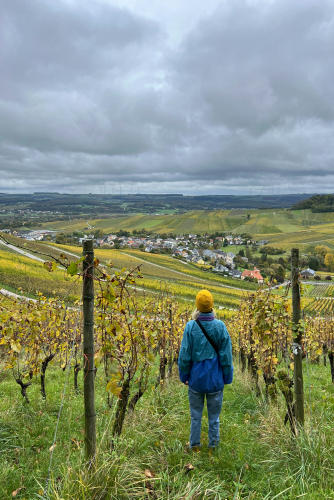
The Moselle and Rhine valleys in Germany are renowned for their picturesque vineyards, historic castles, and winding rivers. These regions are at the heart of Germany’s wine production, particularly famous for Riesling and other white wines. Wine country vineyard walks in Moselle & Rhine valleys, Tour & Trek.
Walking through the vineyards offers travelers a unique way to explore these scenic landscapes, combining nature, culture, and local gastronomy. The trails wind past terraced vineyards, quaint villages, and riverside promenades, making it an ideal destination for hikers, wine enthusiasts, and international visitors from the USA, UK, Australia, and Germany.
The Moselle Valley stretches from Trier to Koblenz, while the Rhine Valley is known for the Upper Middle Rhine, a UNESCO World Heritage site. Both areas feature well-marked walking paths, historic towns, and breathtaking panoramic views, providing experiences that are both relaxing and culturally enriching.
Why It’s Famous
- Vineyards and Terraces:
Steeply terraced vineyards offer iconic views and are a hallmark of the region’s wine culture. - Historic Castles and Towns:
Towns like Cochem, Bernkastel-Kues, and Rüdesheim feature medieval architecture, cobblestone streets, and castle ruins. - Wine Tasting Opportunities:
Many wineries along the trails provide tastings and insights into the winemaking process. - Scenic Trails:
Trails vary from gentle riverside walks to more challenging vineyard ascents, catering to all fitness levels. - Cultural Heritage:
UNESCO recognition of the Upper Middle Rhine highlights the historical and cultural significance of the region.
Best Time to Visit
- Spring (April–June): Blooming vineyards and mild temperatures make walking tours particularly scenic.
- Summer (July–August): Warm weather allows longer hikes and outdoor tastings; trails can be busier with tourists.
- Autumn (September–October): Harvest season brings colorful foliage and grape picking events. This is the peak season for wine tours.
- Winter (November–March): Cooler temperatures and fewer visitors; some trails and wineries may have limited accessibility.
How to Reach Moselle & Rhine Valleys
By Air:
- Frankfurt Airport (FRA): A major international hub, about 1–2 hours by train or car to Rhine towns like Rüdesheim.
- Cologne Bonn Airport (CGN): Convenient for northern Rhine Valley access.
- Luxembourg Airport (LUX): Suitable for Moselle Valley entry near Trier.
By Train:
- Germany’s rail network connects major towns along the Moselle and Rhine rivers, including Trier, Koblenz, and Mainz. Local trains and buses link smaller villages and trailheads.
By Road:
- Driving allows flexibility to explore vineyards and towns at your own pace. Highways connect major cities with scenic routes along the rivers.
By Boat:
- River cruises along the Rhine and Moselle provide unique access to walking trails, with options to hop on and off at villages. Wine country vineyard walks in Moselle & Rhine valleys, Tour & Trek.
Entry Fees and Permits
- Trail Access: Walking through vineyards and along rivers is generally free.
- Wineries: Tastings and tours typically have fees ranging from 5–15 EUR (subject to change).
- Historic Sites: Entrance to castles or museums may have small fees.
- Permits: No permits are required for walking trails, but camping is restricted to designated sites.
Food Availability and Meal Options
- Local Restaurants: Villages along the trails serve traditional regional dishes, including fish from the rivers, sausages, and seasonal produce.
- Wine Taverns: Known as Weinstuben, these offer local wines paired with snacks or small meals.
- Picnic Areas: Scenic spots along riverbanks or vineyard terraces are ideal for packed lunches.
- Recommendations: Carry water, fruits, and energy bars for longer trail sections without eateries.
Packing List and Essentials
- Comfortable walking shoes with good grip for uneven vineyard terrain
- Layered clothing suitable for varying temperatures and sun protection
- Waterproof jacket for unexpected rain
- Hat, sunglasses, and sunscreen
- Backpack with water, snacks, first-aid kit, and personal items
- Map, GPS device, or trail app
- Camera or smartphone for scenic photography
- Trekking poles for steep vineyard paths
- Insect repellent for summer months
Winter visits require thermal layers, gloves, and sturdy shoes for potential icy paths.
Safety Tips and Local Regulations
- Stay on marked trails to avoid damaging vines and private property.
- Exercise caution on steep vineyard slopes.
- Observe safety instructions at wineries and tasting areas.
- Pets must be leashed and kept hydrated.
- Swimming in rivers is only allowed in designated areas.
- Carry emergency contact numbers and ensure mobile connectivity.
- Avoid littering; carry out all waste to maintain the natural environment.
Tips for Beginners or First-Time Visitors
- Start with Short Loops: Begin with easy riverside or village circuits before attempting steeper vineyard trails.
- Plan Your Route: Check trail lengths, elevation changes, and points of interest along the route.
- Combine Walking and Wine Experiences: Allocate time for vineyard tours and wine tasting along the way.
- Stay Hydrated and Snack Often: Walking through vineyards can be strenuous in summer months.
- Take Time to Explore Villages: Enjoy architecture, markets, and cultural landmarks alongside your hike.
Local Customs and Cultural Etiquette
- Greetings: A polite “Guten Tag” is appreciated when interacting with locals.
- Respect Private Property: Vineyards are privately owned; stay on public trails.
- Quiet Enjoyment: Keep noise levels low in villages and during wine tastings.
- Photography Etiquette: Ask permission when photographing private areas or people.
- Festival Participation: Local harvest festivals and wine events are common; participate respectfully. Wine country vineyard walks in Moselle & Rhine valleys, Tour & Trek.
Frequently Asked Questions (FAQs)
1. How long are the vineyard trails?
Trails vary from short village loops of 2–5 km to full-day routes spanning 15–20 km or more.
2. What is the difficulty level of the walks?
Most riverside paths are easy. Steep vineyard slopes can be moderate to challenging.
3. Are trails suitable for children?
Yes, gentle riverside paths are ideal for families, while vineyard sections require supervision.
4. Are restrooms available along the trails?
Public restrooms are generally available in towns, restaurants, or wineries.
5. Can pets join the walks?
Dogs are allowed on leashes, but bring water and supervise near steep slopes.
6. How long does it take to complete a typical trail?
Short loops take 1–2 hours; full vineyard hikes can last 4–6 hours depending on pace.
7. Are guided tours available?
Yes, guided wine and walking tours are offered, providing insights into winemaking, history, and local culture.
8. Is swimming allowed in rivers or lakes?
Only in designated areas, and always follow safety instructions.
9. Is mobile reception reliable?
Reception is generally good near towns, but rural vineyard trails may have limited coverage.
10. When is the best time to visit?
Spring through autumn offers ideal weather, scenic views, and opportunities for wine tasting and festivals.
Final Thoughts
The Moselle and Rhine valleys provide a unique combination of scenic landscapes, historic towns, and wine culture. Walking through terraced vineyards, riverside trails, and picturesque villages offers a relaxing and culturally enriching experience suitable for beginners and experienced hikers alike.





Leave a Reply