
Traveling through Europe is a dream for many. From Paris to Rome, Barcelona to Berlin, the continent offers diverse cultures, history, and breathtaking landscapes. But along with the excitement comes one important challenge—managing travel finances wisely. Travel Finance Tips for Europe.
Europe can be both affordable and expensive, depending on how you plan your trip. The key lies in making smart financial decisions before and during your journey. This guide shares practical travel finance tips for Europe to help you save money, avoid overspending, and make the most of your experience.
Why Financial Planning Matters for European Travel
Europe is home to some of the world’s most visited destinations. Costs can quickly add up—flights, hotels, food, transportation, and sightseeing. Without a solid plan, travelers may spend much more than expected.
By applying budgeting and money-saving strategies, you can:
- Stretch your travel budget further.
- Enjoy more activities without financial stress.
- Have funds for emergencies or unexpected expenses.
- Focus on experiences instead of worrying about costs.
Budgeting for a European Trip
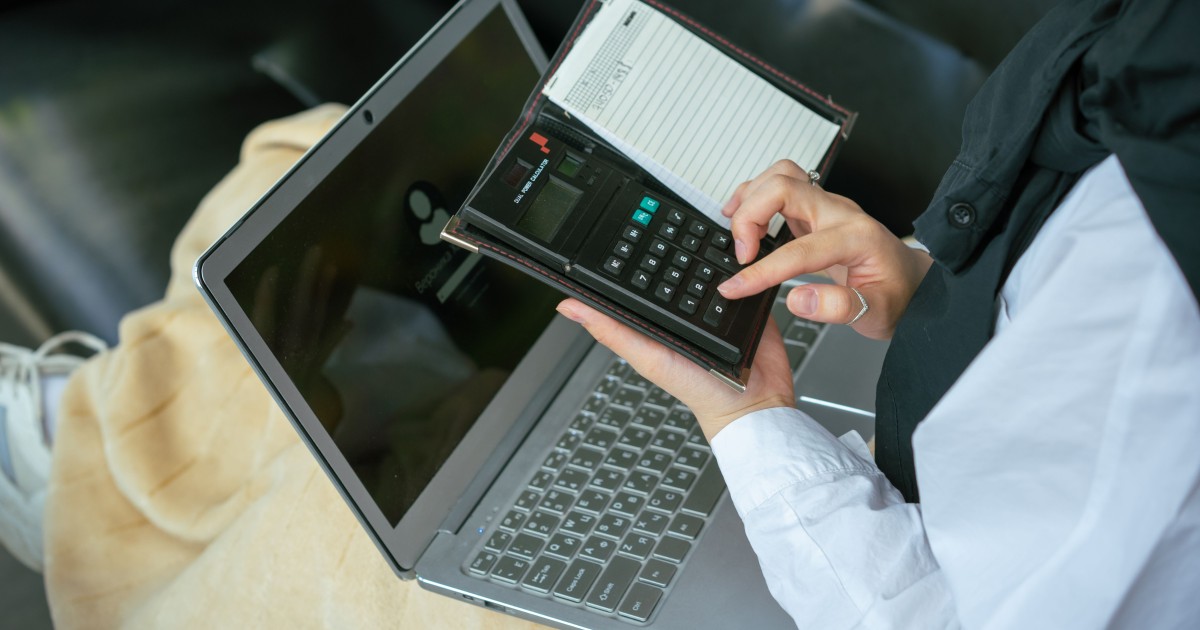
Before setting foot in Europe, create a realistic travel budget. Break down your expenses into categories:
- Flights – Often one of the biggest costs.
- Accommodation – Hotels, hostels, or vacation rentals.
- Transportation – Trains, buses, metros, and taxis.
- Food and drinks – Restaurants, cafes, and groceries.
- Activities – Museum tickets, tours, and attractions.
- Extras – Shopping, souvenirs, and personal expenses.
Tip: Always include an emergency fund in your budget. . Travel Finance Tips for Europe.
Choosing Affordable Flights to Europe
Airfare prices vary greatly depending on the season and booking time. To save money:
- Book flights early, ideally 2–4 months in advance.
- Be flexible with travel dates and airports.
- Travel during shoulder seasons (spring and autumn) for cheaper fares.
Even small adjustments in your flight schedule can result in big savings.
Managing Accommodation Costs
Accommodation in Europe ranges from luxury hotels to budget hostels. To control costs:
- Compare different types of stays, such as guesthouses or short-term rentals.
- Stay slightly outside major tourist areas for better rates.
- Consider shared accommodations if traveling solo.
This balance of comfort and affordability helps keep your budget in check.
Smart Money Management While Traveling
Managing your money wisely while abroad is just as important as planning ahead.
- Use local currency: Paying in euros or local currency usually avoids extra charges.
- Limit ATM withdrawals: Take out larger amounts less frequently to reduce fees.
- Carry multiple payment options: A mix of cards and cash ensures flexibility.
- Keep small bills handy: Useful for transportation, tips, or small purchases.
Transportation Finance Tips in Europe
Europe is famous for its efficient transportation systems. Still, costs can vary.
- Trains: Great for city-to-city travel. Book early for discounted tickets.
- Buses: Often cheaper than trains for budget travelers.
- Local transport: Multi-day metro or tram passes are cost-effective.
- Walking and cycling: Free, healthy, and perfect for exploring city centers.
By mixing transport options, you can save while still enjoying convenience.
Saving on Food and Dining
Food can be one of the most enjoyable parts of travel. Luckily, it’s also an area where you can cut costs without sacrificing experience.
- Eat at local cafes instead of tourist hotspots.
- Try street food, which is often authentic and affordable.
- Shop at local markets for fresh and budget-friendly meals.
- Limit dining at expensive restaurants to special occasions.
This way, you enjoy local flavors while keeping expenses under control.
Attractions and Activities on a Budget
Europe is rich in attractions, many of which are free or low-cost.
- Many museums offer free entry on certain days.
- Parks, historic neighborhoods, and churches often have no entry fee.
- City passes can provide discounts on multiple attractions.
Planning activities in advance ensures you spend on what truly matters.
Currency Exchange and Financial Safety
Getting the best value for your money depends on smart currency management.
- Avoid exchanging money at airports, as rates are often higher.
- Use ATMs in cities for better exchange rates.
- Keep your money in multiple places—wallet, money belt, and secure bags.
This reduces risks and ensures you always have access to funds.
Travel Insurance and Finances
Unexpected events like illness or lost baggage can disrupt your plans. While seeking the cheapest travel insurance is common, ensure it covers medical emergencies, trip cancellations, and baggage protection. Having insurance avoids unexpected expenses that can quickly strain your budget. . Travel Finance Tips for Europe.
Everyday Money-Saving Tips in Europe
Small decisions every day can add up to big savings.
- Use refillable water bottles to avoid buying drinks.
- Walk or use public transportation instead of taxis.
- Stay in accommodations with kitchens to cook some meals.
- Travel with a friend or group to split costs.
Common Financial Mistakes to Avoid
- Overspending on luxury items early in the trip.
- Ignoring exchange rates when using cards.
- Forgetting to track daily expenses.
- Carrying only one source of money.
Avoiding these mistakes helps maintain financial balance throughout your journey.
Best Countries in Europe for Budget Travel
While costs vary, some countries are generally more budget-friendly.
- Portugal: Affordable food and beautiful beaches.
- Poland: Rich history and lower daily expenses.
- Hungary: Vibrant culture and affordable attractions.
- Spain: Great value outside major tourist areas.
These destinations allow travelers to enjoy Europe without overspending.
Final Thoughts
Exploring Europe is a rewarding experience, and smart financial planning ensures you can enjoy it without stress. By budgeting, managing money wisely, and applying these travel finance tips for Europe, you can make the most of your trip while staying within your means. . Travel Finance Tips for Europe.




Leave a Reply