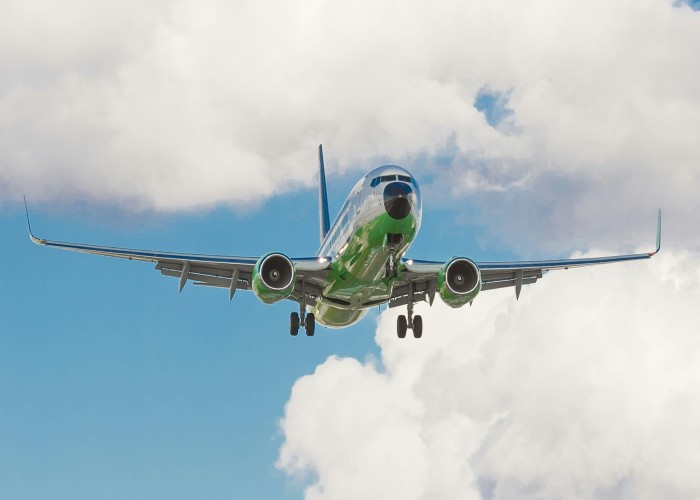
Air travel is one of the fastest-growing sources of global carbon emissions. Yet, as environmental awareness rises, airlines are embracing sustainable practices to reduce their ecological impact. Green and eco-friendly airlines are transforming the aviation industry by prioritizing efficiency, renewable fuels, and environmental responsibility, giving travelers a way to fly responsibly without compromising comfort or convenience. Green & eco-friendly airlines.
In this guide, we’ll explore the concept of sustainable aviation, highlight eco-friendly practices, explain how airlines reduce their carbon footprint, and provide tips for travelers who want to make environmentally conscious choices.
What Are Green & Eco-Friendly Airlines?
Green airlines focus on reducing the environmental impact of air travel. Their sustainability strategies can include:
- Using fuel-efficient aircraft to minimize emissions.
- Sustainable aviation fuels (SAF) derived from renewable resources.
- Waste reduction through in-flight recycling and minimal single-use plastics.
- Carbon offset programs that invest in environmental projects.
- Eco-friendly operational practices such as optimized flight paths to save fuel.
These efforts aim to create a balance between the convenience of air travel and environmental responsibility.
Why Eco-Friendly Air Travel Matters
Aviation accounts for approximately 2-3% of global CO2 emissions, with long-haul flights contributing the most. As climate concerns grow, green airlines play a crucial role in mitigating environmental damage. Benefits include:
- Reduced carbon emissions per flight.
- Promotion of sustainable aviation technology.
- Encouragement for passengers to adopt eco-friendly travel habits.
- Contribution to global climate goals.
By supporting eco-conscious airlines, travelers become part of a larger movement toward sustainable aviation.
Key Eco-Friendly Practices Adopted by Airlines
1. Sustainable Aviation Fuels (SAF)
SAF is produced from renewable sources such as plant oils, waste, or algae. Compared to conventional jet fuel, SAF can reduce greenhouse gas emissions by up to 80%, offering a significant environmental benefit without compromising flight performance.
2. Fuel-Efficient Aircraft
Modern aircraft models are designed with advanced aerodynamics, lighter materials, and efficient engines. These innovations reduce fuel consumption and limit emissions, helping airlines fly greener.
3. Carbon Offset Programs
Many airlines invest in environmental projects like reforestation, renewable energy, and community sustainability initiatives. Passengers can also choose to offset the carbon footprint of their flights, making air travel more responsible.
4. Waste Management and Recycling
Eco-conscious airlines aim to minimize in-flight waste through:
- Eliminating single-use plastics.
- Offering reusable or biodegradable containers for meals.
- Implementing recycling programs for paper, metal, and glass.
These steps reduce the environmental impact of everyday airline operations. Green & eco-friendly airlines.
5. Operational Efficiency
Optimizing flight routes, reducing taxiing times, and adopting continuous descent approaches help airlines conserve fuel and reduce emissions. Even small changes in flight operations contribute to significant environmental gains over time.
Benefits of Flying with Green Airlines
Flying with eco-friendly airlines offers benefits beyond environmental responsibility:
- Peace of mind: Knowing your travel choices support sustainability.
- Innovation in comfort and technology: Many green airlines invest in modern aircraft with better seating, reduced noise, and improved cabin air quality.
- Positive global impact: Your flight supports renewable energy, efficient operations, and waste reduction initiatives.
- Encourages sustainable tourism: Supporting eco-conscious travel helps protect the destinations you visit.
Choosing green airlines is not just a trend; it’s a step toward responsible travel.
How Airlines Reduce Carbon Footprint
Airlines can reduce their environmental impact through a combination of strategies:
- Fleet modernization: Replacing older aircraft with fuel-efficient models.
- Alternative fuels: Using SAF or biofuels to cut emissions.
- Weight reduction measures: Lighter materials, optimized cargo, and efficient cabin layouts.
- Digital innovation: Paperless boarding, electronic manuals, and automated operations.
- Eco-conscious supply chains: Partnering with vendors and catering services that follow sustainable practices.
Together, these practices help make aviation more environmentally friendly without compromising passenger experience.
Tips for Travelers to Fly Greener
While airlines play a major role, passengers can also contribute to sustainable air travel:
- Choose eco-friendly airlines: Research airlines committed to sustainability and carbon reduction.
- Fly direct routes when possible: Avoiding layovers reduces total emissions.
- Travel light: Lighter luggage means less fuel consumption.
- Offset your carbon footprint: Many airlines allow passengers to invest in environmental projects.
- Pack responsibly: Avoid single-use plastics and bring reusable items onboard.
Small decisions by passengers collectively make a meaningful impact.
Innovations in Sustainable Aviation
The aviation industry continues to innovate to reduce environmental impact:
- Electric and hybrid planes: Short-haul electric aircraft are emerging as a low-emission alternative. Green & eco-friendly airlines.
- Hydrogen-powered aircraft: Hydrogen fuel promises zero carbon emissions for future flights.
- Biofuel research: Expanding sustainable fuel options for long-haul routes.
- AI and flight optimization: Artificial intelligence helps pilots choose fuel-efficient flight paths.
These advancements indicate a future where air travel can coexist with environmental sustainability.
High-Impact Destinations for Eco-Friendly Travelers
Many environmentally conscious travelers prefer destinations that promote sustainable tourism:
- Eco-resorts in Iceland and Scandinavia offering carbon-neutral stays.
- Protected natural reserves in Australia and New Zealand accessible by green airlines.
- Cities with sustainable transport systems reducing overall carbon impact.
- Global hubs with green infrastructure supporting renewable energy and recycling.
Pairing eco-friendly airlines with sustainable destinations maximizes the positive impact of your travel.
Challenges and Opportunities
While green airlines are growing, challenges remain:
- High operational costs for sustainable fuels.
- Limited availability of SAF on certain routes.
- Infrastructure requirements for new technologies like electric planes.
However, these challenges also create opportunities:
- Investment in innovation accelerates eco-friendly aircraft development.
- Global collaboration among airlines, regulators, and passengers improves sustainability standards.
- Consumer awareness encourages airlines to prioritize environmental responsibility.
Sustainable aviation is not just a goal; it’s a rapidly evolving solution shaping the future of travel.
FAQs on Green & Eco-Friendly Airlines
1. What makes an airline eco-friendly?
An airline is eco-friendly if it implements sustainable fuels, efficient operations, waste reduction, and carbon offset programs.
2. Can flying green significantly reduce my carbon footprint?
Yes. Choosing fuel-efficient airlines, direct flights, and carbon offset programs can reduce environmental impact.
3. Are sustainable aviation fuels widely available?
SAF is expanding globally but may not yet be available on all routes. Airlines continue to invest in broader adoption.
4. How do airlines manage in-flight waste sustainably?
Green airlines minimize plastics, use biodegradable containers, and implement recycling programs to reduce waste.
5. Do eco-friendly airlines offer the same comfort as regular airlines?
Yes. Many green airlines invest in modern aircraft that enhance comfort, cabin air quality, and noise reduction.
6. Is it more expensive to fly with an eco-friendly airline?
Costs can be slightly higher, but many travelers consider the environmental benefits and advanced aircraft technology worth the investment.
7. Can I offset the carbon footprint of my flight?
Most eco-conscious airlines offer carbon offset programs where travelers contribute to environmental projects.
8. Are green airlines safe and reliable?
Absolutely. Sustainable practices focus on reducing emissions and waste, while safety standards remain the top priority.
Conclusion
Green and eco-friendly airlines are reshaping the aviation industry by combining innovation, sustainability, and passenger convenience. From using fuel-efficient aircraft to investing in renewable fuels and carbon offsets, these airlines provide a responsible way to travel.
For environmentally conscious travelers, flying with eco-friendly airlines allows you to enjoy your journey while contributing positively to the planet. By making informed choices—such as selecting sustainable airlines, minimizing layovers, and offsetting carbon emissions—you can reduce your environmental impact without compromising comfort, safety, or convenience.
Sustainable air travel is no longer a distant vision; it’s a growing reality that empowers travelers and airlines alike to fly responsibly and protect our planet for future generations.






Leave a Reply