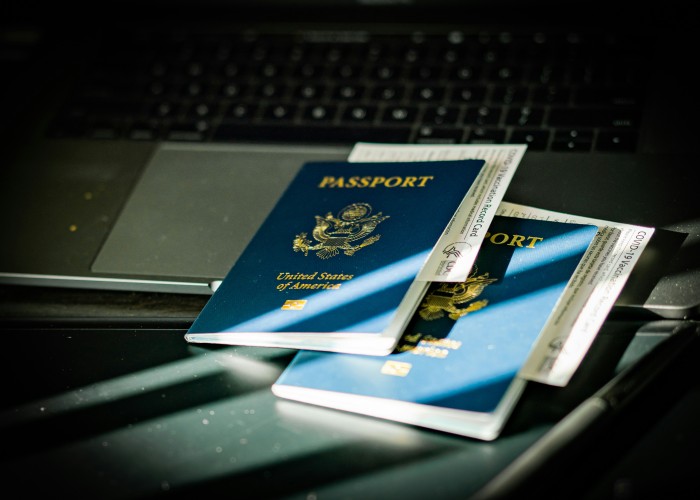
Traveling is one of life’s greatest joys, but it comes with uncertainties—flight delays, medical emergencies, lost luggage, or trip cancellations. For Americans exploring domestic or international destinations, travel insurance is a crucial safety net. Best Travel Insurance for U.S. Travelers.
This guide provides a complete overview of travel insurance for U.S. travelers, including types of coverage, key considerations, cost-saving strategies, and practical tips to ensure your trips remain stress-free.
Why U.S. Travelers Need Travel Insurance
Travel insurance is more than just a precaution—it is a proactive way to protect your investment and health while traveling.
Key Benefits of Travel Insurance:
- Medical Coverage: Protects against unexpected medical emergencies abroad or in remote areas.
- Trip Cancellation and Interruption: Reimburses prepaid expenses if you must cancel due to illness, family emergencies, or other covered events.
- Lost or Delayed Luggage: Provides reimbursement for delayed or lost belongings during travel.
- Emergency Evacuation: Covers transportation in case of medical emergencies or natural disasters.
Example: Imagine you fall ill while on a European tour. Travel insurance can cover hospital visits, medication, and even emergency transportation, saving you thousands in unexpected medical costs.
Who Should Consider Travel Insurance
Travel insurance is valuable for all travelers, but it is especially important for:
- Frequent International Travelers: Risks increase with travel frequency and overseas destinations.
- Families with Children: Protects against trip interruptions and medical emergencies.
- Adventure Travelers: Hiking, skiing, or scuba diving may require specialized coverage.
- Seniors: Older travelers face higher medical risks and need robust coverage for emergencies.
Exercise: Evaluate your upcoming trips. Consider destination, duration, age, and activities to determine the type and level of coverage needed.
Step 1: Understand Types of Travel Insurance
Travel insurance policies vary widely, but most include combinations of the following coverages:
1. Trip Cancellation and Interruption Insurance
- Reimburses prepaid expenses if you cannot start or continue your trip due to covered reasons.
- Common covered events include illness, severe weather, or family emergencies.
Example: You book a $3,000 vacation but a sudden illness prevents travel. Trip cancellation coverage reimburses your payments, preventing financial loss.
2. Travel Medical Insurance
- Covers medical expenses abroad, including hospital stays, doctor visits, and medication. Best Travel Insurance for U.S. Travelers.
- Often essential because U.S. health insurance may not cover international care.
Tip: Check whether your policy includes coverage for pre-existing conditions if relevant.
3. Emergency Evacuation Insurance
- Provides transportation to the nearest suitable medical facility or back home in a medical emergency.
- Essential for remote areas, cruise trips, or adventure travel.
Example: You injure yourself while hiking in Alaska. Emergency evacuation ensures safe transport to a hospital, which could cost tens of thousands without coverage.
4. Baggage and Personal Belongings Coverage
- Reimburses lost, stolen, or damaged luggage and personal items.
- Some policies also cover delayed baggage to help replace essential items temporarily.
Tip: Keep a copy of your luggage receipts and valuables list to simplify claims.
5. Travel Delay Coverage
- Provides reimbursement for meals, accommodation, and transportation if your trip is delayed due to weather, strikes, or mechanical issues.
Step 2: Determine Coverage Needs
Choosing the right policy requires understanding your travel profile:
- Domestic vs. International Travel: International trips generally require higher coverage for medical and evacuation.
- Trip Cost: Ensure trip cancellation coverage matches the total prepaid expenses.
- Medical Risks: Consider age, health conditions, and planned activities.
- Duration: Longer trips may increase the likelihood of unexpected events.
Exercise: Create a table of your trip details, including destinations, activities, total costs, and potential risks. This helps identify coverage priorities.
Step 3: Factors That Affect Travel Insurance Costs
The cost of travel insurance depends on multiple factors:
- Trip Length: Longer trips generally cost more.
- Traveler Age: Older travelers face higher premiums due to increased medical risk.
- Destination: Countries with higher medical costs or travel risks may increase premiums.
- Coverage Levels: Higher trip cost or medical coverage increases the price.
- Pre-Existing Conditions: Policies covering pre-existing conditions may have higher premiums.
Example: A 45-year-old traveler spending two weeks in Europe may pay $150–$300 for comprehensive coverage, while a 70-year-old may pay $300–$500.
Step 4: Practical Tips to Save Money on Travel Insurance
- Book Early: Buying insurance when you pay for your trip often results in lower rates and full coverage for cancellations.
- Compare Providers: Check multiple insurers for rates, coverage limits, and exclusions.
- Use Credit Card Benefits: Some credit cards offer basic travel insurance for purchases made with the card.
- Select Appropriate Coverage: Avoid over-insuring; choose coverage aligned with actual needs.
- Bundle Insurance: Combine travel and other insurance policies for potential discounts.
Exercise: Create a spreadsheet comparing three to five travel insurance providers. Include cost, coverage limits, exclusions, and additional benefits.
Step 5: Common Misconceptions About Travel Insurance
- “I don’t need insurance; I have health insurance.”
False. Most U.S. health insurance plans provide limited or no coverage abroad. - “Travel insurance is expensive.”
Most policies are affordable, ranging from $50–$500 depending on trip cost and coverage, a small price compared to potential losses. - “Airline or hotel insurance is enough.”
Airlines and hotels may only cover specific events, not comprehensive medical emergencies or trip cancellations. - “I’ll just pay out-of-pocket if something happens.”
Unexpected events can be extremely costly. Travel insurance protects against financial risk and stress.
Step 6: Steps to Purchase Travel Insurance
- Assess Your Needs: Consider destination, trip cost, activities, and personal health.
- Research Policies: Compare multiple insurers to find the right balance of coverage and cost.
- Check Exclusions: Understand what events or conditions are not covered.
- Read the Fine Print: Ensure you understand cancellation deadlines, claims process, and documentation requirements.
- Purchase Promptly: Buy insurance soon after booking your trip to ensure full coverage.
Step 7: High-Search FAQs About Travel Insurance
Q1: Does travel insurance cover COVID-19?
A1: Some policies include COVID-19 coverage, including trip cancellation, medical treatment, or quarantine costs. Check policy details.
Q2: Is travel insurance required for U.S. travelers?
A2: No, it is not legally required, but highly recommended for financial protection and peace of mind.
Q3: Can travel insurance cover pre-existing conditions?
A3: Some plans offer coverage for pre-existing conditions if purchased within a specific period after trip booking.
Q4: Does travel insurance cover adventure sports?
A4: Specialized policies may cover activities like skiing, scuba diving, or hiking. Standard plans may exclude these activities. Best Travel Insurance for U.S. Travelers.
Q5: How do I file a travel insurance claim?
A5: Contact your insurer, provide receipts and documentation, and follow the claims process outlined in your policy.
Step 8: Tips to Maximize Travel Insurance Benefits
- Keep Copies of Important Documents: Include policy numbers, receipts, medical records, and identification.
- Review Coverage Annually: If you travel frequently, review and update policies.
- Understand Emergency Procedures: Know how to contact your insurer for medical assistance abroad.
- Plan for Emergencies: Research local medical facilities and embassies.
Example: A traveler in Thailand required emergency evacuation for appendicitis. Proper documentation and understanding of policy benefits ensured seamless medical care and coverage.
Conclusion
Travel insurance is an essential tool for U.S. travelers seeking peace of mind. It protects against financial losses from medical emergencies, trip cancellations, lost baggage, and other unexpected events.
By understanding coverage types, assessing your needs, comparing policies, and taking practical precautions, travelers can confidently explore domestic and international destinations without worrying about financial risk.
Practical Tip: Evaluate upcoming trips, list potential risks, and select a comprehensive travel insurance policy early. Protecting your journey ensures that your focus remains on enjoying the experience, not worrying about what could go wrong.






Leave a Reply