
Traveling the world can be exciting, but for many tourists, one of the most overlooked expenses is tourism taxes. These charges, levied by governments or local authorities, are added to accommodation, flights, attractions, or even city entries. While they help fund tourism infrastructure, they can significantly increase travel costs. Countries with the highest tourism taxes.
Understanding which countries have the highest tourism taxes is essential for budgeting and planning your trips wisely. This guide explores the countries with notable tourism levies, the types of taxes travelers can expect, and tips to minimize extra costs while enjoying your journey.
Why Tourism Taxes Exist
Tourism taxes are not arbitrary—they serve a purpose:
- Funding infrastructure: Airports, public transport, and tourist attractions often rely on these taxes.
- Sustainability initiatives: Eco-tourism and environmental preservation programs are supported by tourism fees.
- Regulating tourism flow: High taxes can help reduce overcrowding in popular destinations.
- Boosting local revenue: Tourism contributes significantly to national economies, and taxes ensure shared benefits.
While these taxes can feel burdensome to travelers, they often improve the quality of services and the overall travel experience.
Types of Tourism Taxes
Tourism taxes can take many forms depending on the country:
- Hotel or accommodation taxes: Charged per night, usually as a percentage of room cost or a flat rate.
- Airport departure fees: Common in international travel, added to ticket costs.
- City taxes: Levied on visitors entering specific cities or regions.
- Environmental or eco-taxes: Applied to support sustainability initiatives, particularly in island or ecologically sensitive areas.
- Attraction fees: Entry charges for national parks, museums, or heritage sites.
Knowing these variations helps travelers prepare for additional expenses in advance.
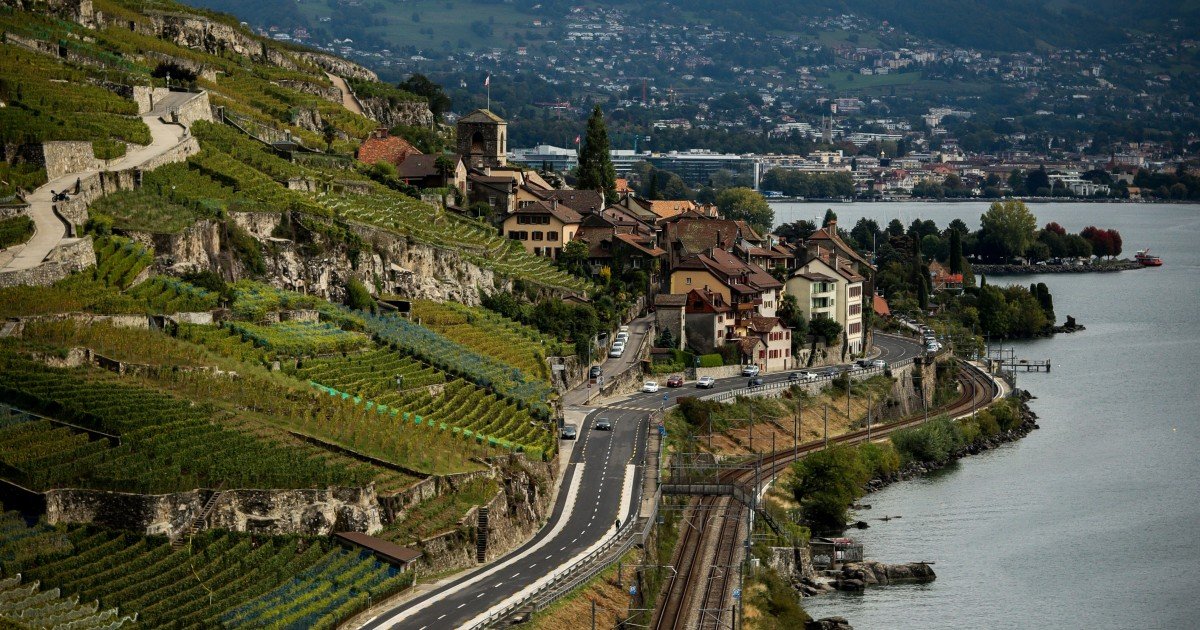
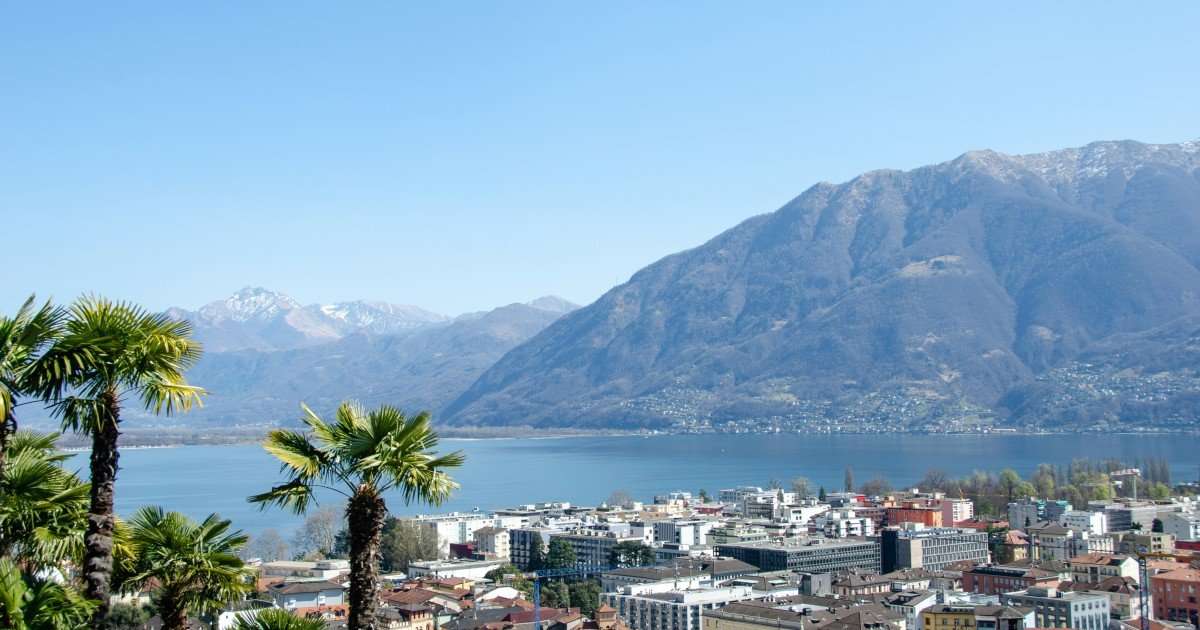
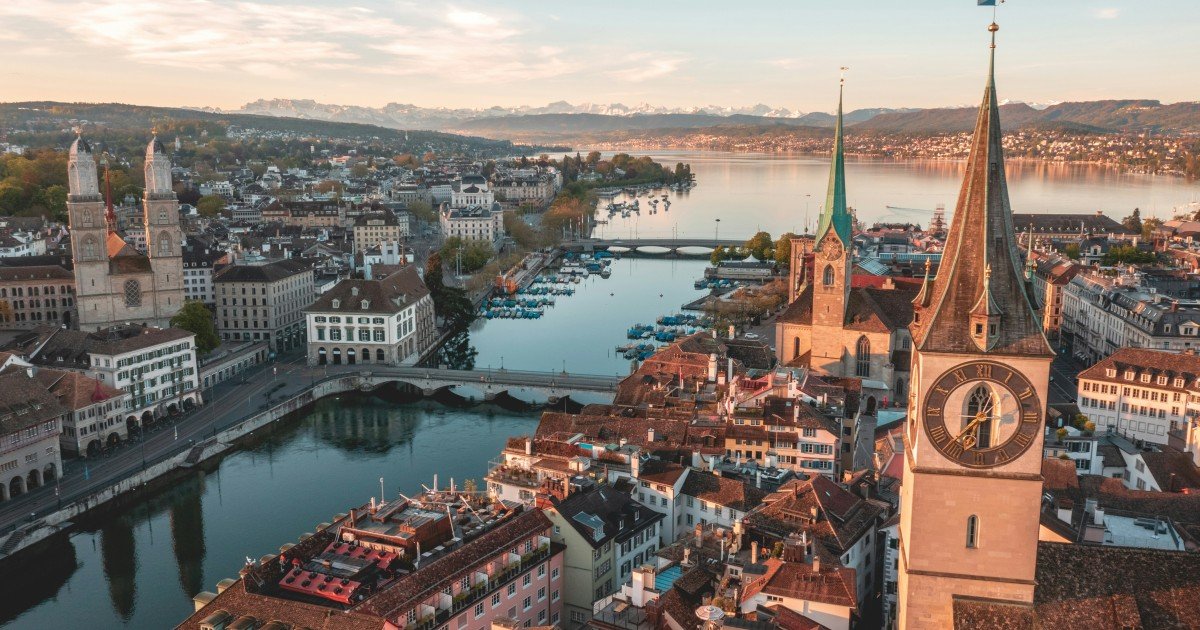
1. Switzerland: High Taxes for Premium Tourism
Switzerland is known for luxury travel, scenic landscapes, and high-quality services, but these come with significant taxes:
- Accommodation tax: 3–5% per night, depending on the city or canton.
- City tax: Some cities impose extra levies for tourist visits.
- Airport and travel fees: Swiss airports include small charges for security and infrastructure.
Tip for Travelers: Budget for at least $20–$30 per night in taxes on top of accommodations.
2. Iceland: Eco-Tourism Leads to Taxes
Iceland attracts millions of tourists annually, and the country uses tourism taxes to manage its fragile environment:
- Tourist tax: Added to hotel stays, typically 2–5% per night.
- Environmental fees: Aimed at preserving national parks, glaciers, and volcanic areas.
- Airport departure fee: Included in most international flight tickets.
Tip for Travelers: Plan extra funds for eco-taxes to support sustainability programs while exploring Iceland’s natural beauty. Countries with the highest tourism taxes.
3. Italy: City-Specific Levies
Italy’s rich history and culture come with city-specific tourism taxes:
- Accommodation tax: $2–$7 per night in major cities such as Rome, Florence, and Venice.
- Tourist levies: Venice has additional entry fees for day-trippers to manage crowding.
- Cultural fees: Museums and heritage sites sometimes include extra charges.
Tip for Travelers: Check local city websites before travel, as fees vary significantly by location.
4. Japan: High Fees for Urban Tourism
Japan has become a popular destination for international travelers, and taxes help maintain infrastructure:
- Hotel tax: $1–$4 per night for city hotels.
- Local tourism tax: Added in cities like Kyoto for cultural site preservation.
- Transport fees: Public transport surcharges and airport levies contribute to travel taxes.
Tip for Travelers: Factor taxes into your budget for each city visited, especially in popular tourist hubs.
5. France: Luxury Tourism Taxes
France is a world leader in tourism, especially in Paris and the French Riviera:
- Accommodation tax: $1–$5 per night, depending on hotel rating.
- City taxes: Paris includes fees for staying in central locations.
- Attraction fees: Additional charges may apply for museums and cultural sites.
Tip for Travelers: Consider tax-inclusive accommodation options to simplify budgeting.
6. Singapore: Airport and Accommodation Fees
Singapore combines modern infrastructure with mandatory tourism taxes:
- Airport departure tax: Added to most international tickets.
- Accommodation tax: 7% of nightly hotel rates plus a small service fee.
- Tourism levy: Some attractions include minor eco-tourism charges.
Tip for Travelers: Factor these fees into trip costs to avoid surprises at checkout.
7. United Arab Emirates: Luxury Travel Fees
The UAE, particularly Dubai and Abu Dhabi, imposes tourism taxes mainly on hotels and flights:
- Hotel fees: Approximately $7–$10 per night, plus additional city fees.
- Airport departure charges: Included in ticket costs for international travelers.
- Event and attraction levies: Certain attractions or high-demand experiences may include extra fees.
Tip for Travelers: Luxury travel is common here, so budget for additional taxes when planning premium trips.
8. Spain: City and Eco-Taxes
Spain’s growing tourism industry uses taxes to support infrastructure and sustainability:
- Accommodation tax: $1–$4 per night, depending on city and hotel rating.
- Environmental tax: Island destinations like Mallorca and Ibiza levy eco-taxes to preserve natural habitats. Countries with the highest tourism taxes.
- Attraction fees: National parks and museums may charge additional fees.
Tip for Travelers: Coastal and island destinations may have higher taxes than mainland cities.
9. Greece: Island Tourism Fees
Greece’s island destinations have high seasonal taxes to manage tourist influx:
- Hotel taxes: $1–$4 per night in popular islands like Santorini and Mykonos.
- Departure or environmental fees: Help protect the natural beauty and infrastructure of island destinations.
- Attraction levies: Some historic sites include minor fees.
Tip for Travelers: Factor taxes into peak-season travel budgets to avoid unexpected expenses.
10. Thailand: Eco and Tourist Taxes
Thailand attracts millions of tourists to its beaches and cultural sites:
- Accommodation tax: $1–$3 per night for hotels and resorts.
- Environmental fees: Eco-taxes support marine parks and conservation projects.
- Departure taxes: Added to international tickets in some airports.
Tip for Travelers: Budget extra for eco-taxes if visiting popular islands or national parks.
Tips to Manage Tourism Taxes
Even in countries with high taxes, travelers can minimize costs:
- Plan ahead: Include taxes in your trip budget when booking hotels and flights.
- Use tax-inclusive accommodations: Some hotels include taxes in the nightly rate, making budgeting simpler.
- Travel off-season: Some cities reduce taxes during low tourist periods.
- Check city-specific rules: Taxes vary by city or region, not just the country.
- Consider alternative accommodations: Apartments or vacation rentals may have lower taxes than hotels.
Being informed about tourism taxes ensures smoother planning and avoids budget surprises.
High-Search FAQs
1. Which country has the highest tourism taxes?
Countries like Switzerland, Iceland, and Italy have high accommodation and city-specific tourism taxes.
2. Are tourism taxes included in hotel prices?
Sometimes yes, sometimes no. Always check if rates are tax-inclusive before booking.
3. Do eco-tourism taxes apply everywhere?
Eco-taxes are more common in environmentally sensitive destinations, islands, and national parks.
4. Can tourists avoid paying taxes?
Taxes are generally mandatory and unavoidable, but budgeting and choosing tax-inclusive options helps manage costs.
5. How much do tourism taxes add to a trip?
Depending on the country, taxes can add 5–15% to accommodation costs and $10–$50 per person in fees for flights or attractions.
6. Do all countries charge airport departure fees?
Many international airports include small taxes in ticket prices to support infrastructure and services.
7. Are taxes higher in luxury destinations?
Yes. Popular and high-end destinations tend to levy higher taxes to fund infrastructure and manage tourist inflow.
8. How can I plan my budget around tourism taxes?
Research taxes per destination, include them in hotel and flight costs, and choose tax-inclusive accommodations to simplify planning.
Conclusion
Tourism taxes are an important but often overlooked part of international travel costs. Countries like Switzerland, Iceland, Italy, and Greece levy higher fees to support infrastructure, sustainability, and city services. While these taxes may increase expenses, understanding them allows travelers to budget effectively, plan better, and enjoy trips without unexpected costs.
By considering accommodation taxes, airport fees, city levies, and eco-taxes, travelers can make informed choices, maximize their experiences, and explore even high-tax destinations with confidence. Proper planning ensures that tourism taxes enhance the travel experience rather than detract from it.



Leave a Reply