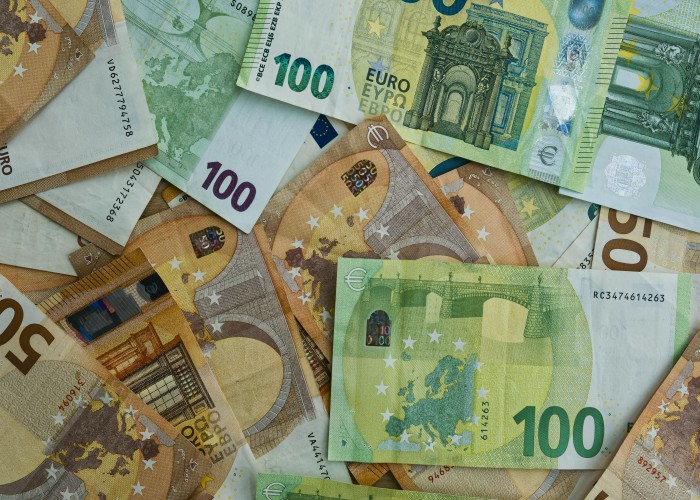
Traveling or conducting business internationally often requires handling large sums of money across multiple currencies. For high spenders, even small inefficiencies in currency exchange can result in significant losses. Whether you are a frequent traveler, business executive, or luxury shopper, understanding how to manage foreign currency is essential to maximizing your wealth and minimizing unnecessary fees. Currency exchange tips for high spenders.
This guide provides practical currency exchange tips for high spenders, helping you make smart financial decisions, avoid hidden charges, and optimize every international transaction.
Why Currency Exchange Matters for High Spenders
Even minor differences in exchange rates or fees can amount to hundreds or thousands of dollars when large sums are involved. Understanding currency exchange strategies ensures:
- Better control over spending abroad.
- Minimization of hidden fees and conversion losses.
- Greater predictability in budgeting for international trips or purchases.
- Maximized value for large transactions.
For high spenders, efficiency in currency exchange is not optional—it’s essential.
1. Understand Exchange Rates
Exchange rates fluctuate daily and affect the real cost of international transactions.
- Mid-market rates: This is the benchmark rate banks use to trade currencies with each other. High spenders should aim for rates as close to the mid-market rate as possible.
- Avoid dynamic currency conversion: Some merchants offer to charge in your home currency, but the rate is often worse than the market rate.
- Monitor trends: Track currency movements before major transactions to take advantage of favorable rates.
Knowing when and how to exchange large amounts can save significant sums.
2. Use Fee-Free Credit Cards and Premium Banking Services
High spenders benefit from financial products designed for international transactions:
- Travel credit cards: Look for cards that waive foreign transaction fees and offer competitive exchange rates.
- Premium banking accounts: Some private banks provide multi-currency accounts and preferential rates for large transactions.
- Corporate cards: For business travelers, corporate credit cards can consolidate transactions and reduce fees.
These tools reduce transaction costs while ensuring security and convenience.
3. Open a Multi-Currency Account
A multi-currency account allows you to hold, convert, and transfer multiple currencies efficiently.
- Minimize conversion losses: Convert currencies only when rates are favorable.
- Manage large transactions: Send or receive funds without multiple conversions.
- Business advantages: For international businesses, multi-currency accounts streamline payroll and supplier payments.
High spenders can save thousands over time by avoiding frequent exchanges at suboptimal rates. Currency exchange tips for high spenders.
4. Plan Transactions in Advance
Timing your exchanges can have a large financial impact:
- Avoid last-minute conversions: Airports and tourist areas often have the worst rates.
- Use limit orders: Some banks allow you to set a target rate and automatically convert once the market reaches it.
- Schedule major purchases strategically: Convert currency when rates are favorable rather than immediately before payment.
Strategic planning ensures high-value transactions achieve maximum efficiency.
5. Leverage Digital Currency Exchange Platforms
Digital platforms often offer better rates than traditional banks:
- Low fees: Online services often charge a fraction of traditional banking fees.
- Transparency: Mid-market rates are usually offered with clear fee structures.
- Speed and convenience: Transfers can often be executed in minutes or hours rather than days.
High spenders can combine digital platforms with banking services to optimize currency handling.
6. Avoid Airport and Tourist Exchange Counters
While convenient, these counters often carry high hidden costs:
- Poor exchange rates and high commissions.
- Hidden service fees that erode your funds.
- Limited transparency compared to banks or online platforms.
For large sums, always use banks, multi-currency accounts, or digital platforms rather than exchanging at airports.
7. Consolidate Transactions to Reduce Fees
Instead of making multiple small exchanges, high spenders should:
- Bundle transactions: Convert larger sums in one go to take advantage of volume benefits.
- Use one provider consistently: Banks or platforms may offer loyalty or tiered rates for high-volume clients.
- Avoid frequent small withdrawals abroad: ATMs often add fixed fees per transaction.
Consolidation minimizes both fixed and percentage-based fees. Currency exchange tips for high spenders.
8. Understand Local Banking Norms
Currency exchange practices vary across countries:
- European countries: Many accept major credit cards, but cash payments may still be preferred in smaller shops.
- Asia: Some countries favor cash transactions, but banks offer favorable rates for larger sums.
- Middle East: Luxury purchases are often subject to VAT refunds, which can offset some currency costs.
Awareness of local practices allows high spenders to optimize spending without unnecessary exchanges.
9. Take Advantage of Tax-Free Shopping
For high spenders shopping internationally, tax-free purchases can reduce overall costs:
- VAT refunds: Many countries refund a portion of the tax for foreign buyers.
- Proper documentation: Keep receipts and complete required forms to claim refunds at airports or online.
- Combine with currency exchange: Claiming tax refunds can offset minor conversion losses.
Efficient use of tax-free shopping programs maximizes value for high-end purchases.
10. Monitor Currency Markets for Favorable Rates
High spenders can benefit from market awareness:
- Track trends: Use financial apps or services to monitor exchange rate trends.
- Hedge for large transactions: Consider forward contracts or options for predictable costs.
- Avoid panic conversions: Wait for favorable rates when time permits.
Market awareness ensures transactions are executed at the most advantageous rates.
11. Use Cash Strategically
Even high spenders benefit from holding some local currency:
- Avoid small transaction fees: Many small vendors prefer cash.
- Emergency backup: Cash is useful if cards fail or digital platforms are unavailable.
- Optimize conversions: Withdraw larger amounts at once rather than multiple small withdrawals.
Cash, when managed smartly, complements digital and banking strategies.
12. Partner with Trusted Advisors for Large Transfers
For business or investment purposes, working with currency specialists ensures efficiency:
- Personalized advice: High-value clients receive guidance on timing and method of transactions.
- Reduced risk: Experts help mitigate exchange rate fluctuations.
- Optimized transfers: Large sums are moved using the best rates and minimal fees.
High spenders handling substantial international funds often benefit from professional support.
High-Search FAQs
1. What’s the best currency exchange strategy for high spenders?
Use multi-currency accounts, fee-free cards, digital exchange platforms, and plan transactions in advance to minimize costs.
2. How can I avoid hidden currency exchange fees?
Avoid airport and tourist counters, consolidate exchanges, and use reputable banks or digital platforms.
3. Are digital currency exchange services reliable for large sums?
Yes. Many online platforms offer transparent rates, low fees, and faster transfers than traditional banks.
4. Should I monitor currency markets before exchanging money?
Absolutely. Monitoring rates and timing conversions strategically can save significant money on large transactions.
5. How can high spenders manage tax-free shopping abroad?
Keep receipts, complete refund forms, and combine tax refunds with currency exchange strategies to maximize value.
6. Is it better to use cash or cards for high-value international spending?
Use a mix: cards for security and convenience, cash for small vendors or emergencies. Consolidate withdrawals to reduce fees.
7. Can forward contracts help high spenders save money?
Yes. Forward contracts lock in favorable rates for future transactions, reducing uncertainty and potential losses.
8. What are multi-currency accounts, and are they useful?
Multi-currency accounts hold, convert, and transfer multiple currencies efficiently, minimizing conversion losses for large transactions.
Conclusion
Currency exchange is a critical consideration for high spenders traveling, shopping, or conducting business internationally. Small inefficiencies in rates and fees can quickly add up, making strategic planning essential.
By understanding exchange rates, leveraging fee-free cards, using multi-currency accounts, monitoring the market, and consolidating transactions, high spenders can save thousands of dollars while optimizing every transaction. Strategic cash management, tax-free shopping, and trusted financial advisors further enhance efficiency and security.
For high-value travelers or international spenders, mastering currency exchange is not just a convenience—it’s a financial necessity. With careful planning and informed strategies, you can maximize every dollar, euro, or pound while enjoying the global lifestyle you deserve.






Leave a Reply