Overview
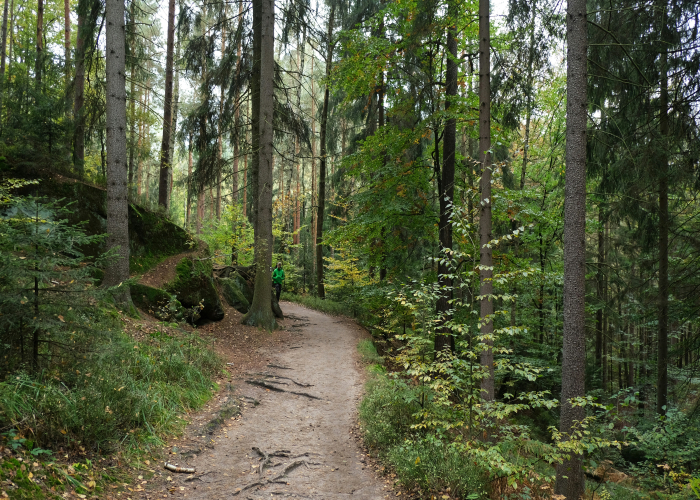
The Six Foot Track is one of New South Wales’ most historic and scenic long-distance trails, stretching about 45 kilometers from Katoomba to the Jenolan Caves in the Blue Mountains region. Originally built in the 1880s as a bridle path for horses and travelers heading to the Jenolan Caves, the track remains a living piece of Australia’s colonial history. Six Foot Track historic hike & horse trail, NSW, Tour & Trek.
Today, it’s a popular route for hikers, trekkers, and horseback riders who want to experience a blend of rugged mountain terrain, tranquil river crossings, and forested valleys. The walk traverses some of the most iconic natural landmarks in the Blue Mountains, offering glimpses of sandstone cliffs, open farmland, and remote wilderness that feels worlds away from the city.
The Six Foot Track stands out not only for its beauty but also for its accessibility and variety. Whether you’re walking a short section or completing the full three-day trek, it’s a journey that offers both challenge and reward.
Best Time to Visit
The track is open year-round, but some seasons offer a more comfortable experience depending on your preference.
- September to November (Spring): Wildflowers bloom, temperatures are mild, and conditions are ideal for hiking.
- December to February (Summer): Warm weather, but trails can be hot—start early in the morning.
- March to May (Autumn): Cooler air, golden foliage, and stable conditions make for pleasant trekking.
- June to August (Winter): Crisp mornings and chilly nights—carry warm gear if camping.
Avoid heavy rain periods, as the Coxs River crossings may rise and become impassable. Always check local weather and trail conditions before setting out.
How to Reach
By Road:
- From Sydney, it’s about a 2-hour drive (120 km) to Katoomba, the starting point. Follow the Great Western Highway to the Blue Mountains region.
- The track ends at Jenolan Caves, around 30 km southwest of Katoomba. Many trekkers arrange vehicle transfers or shuttle services between trailheads.
By Train:
Regular trains run from Sydney Central Station to Katoomba Station (approx. 2 hours). From there, it’s a short taxi or bus ride to the Explorers Tree, the official trailhead.
By Air:
The nearest airport is Sydney Kingsford Smith Airport (SYD). From the airport, travelers can connect to trains or hire cars to reach Katoomba.
Entry Fees and Permits
The Six Foot Track itself is free to access, but certain areas within Blue Mountains National Park and Jenolan Karst Conservation Reserve may require entry or parking fees:
- National Park entry: Approx. AUD 8 per vehicle per day (subject to change).
- Camping: Some campsites, such as Coxs River and Black Range, may require online booking and a small camping fee.
Always confirm current rates and permits before your trip, especially if planning to stay overnight. Six Foot Track historic hike & horse trail, NSW, Tour & Trek.
Food Availability and Meal Options
There are no food outlets or shops along the Six Foot Track, so hikers must carry their own food and supplies. However, Katoomba and Jenolan Caves offer several options before and after the trek.
Pre-trek supplies:
- Stock up in Katoomba, which has supermarkets, bakeries, and outdoor stores.
Recommended food for the trek:
- Dehydrated meals or instant noodles
- Energy bars, nuts, and dried fruits
- Fresh fruit for the first day
- Rehydration salts or electrolyte tablets
- Instant coffee or tea bags
Carry at least 2–3 liters of water per person per day, and use purification tablets if refilling from natural sources like rivers or creeks.
Packing List and Essentials
The Six Foot Track includes steep climbs, river crossings, and changing weather conditions, so packing smartly is essential.
Essentials:
- Comfortable, waterproof hiking boots
- Lightweight, layered clothing
- Rain jacket or poncho
- Sun protection (hat, sunscreen, sunglasses)
- 40–50L backpack for multi-day trekking
- Refillable water bottles or hydration bladder
- Portable stove and cooking set
- Food for 2–3 days
- First aid kit and blister treatment
- Headlamp with spare batteries
- Map, compass, or GPS device
- Sleeping bag and lightweight tent
- Trekking poles for balance on uneven terrain
If you’re joining a guided or supported trek, check what’s provided before packing.
Safety Tips and Local Regulations
The Six Foot Track is well-maintained but can still pose challenges due to weather and terrain.
Safety Tips:
- Start early each day and plan for 6–8 hours of walking.
- Always check river conditions before crossing.
- Inform someone of your itinerary before you go.
- Be prepared for limited mobile phone reception.
- Carry a small emergency beacon or PLB if hiking solo.
- Watch out for leeches and snakes, especially in warmer months.
Local Regulations:
- Fires are prohibited during total fire bans.
- Use designated campsites and toilets.
- Carry out all rubbish.
- Pets are not allowed in national park sections.
Following Leave No Trace principles helps protect the natural environment for future visitors. Six Foot Track historic hike & horse trail, NSW, Tour & Trek.
Tips for Beginners or First-Time Visitors
If this is your first multi-day trek, the Six Foot Track is an excellent introduction to long-distance hiking in Australia.
- Plan your itinerary: Most people take 3 days, camping at Coxs River and Black Range.
- Pace yourself: There are steep climbs, especially between Megalong Valley and the Black Range.
- Stay hydrated: Refill at marked water sources and treat before drinking.
- Check trail markers: The route is well signposted, but fog or rain can obscure visibility.
- Use sturdy footwear: The trail can get muddy and slippery after rain.
- Train in advance: Build endurance through regular walking and hill workouts.
With moderate fitness and good planning, the track is achievable and rewarding for both solo travelers and small groups.
Local Customs and Cultural Etiquette
The Six Foot Track passes through lands traditionally cared for by the Gundungurra people, whose connection to the region stretches back thousands of years. Their culture is deeply tied to the natural features of the Blue Mountains and the Jenolan Karst region.
When visiting:
- Acknowledge Traditional Custodians of the land.
- Treat all cultural and natural sites with respect.
- Avoid disturbing wildlife or removing plants and rocks.
- Keep noise low to preserve the serenity of the area.
Respecting local heritage adds a meaningful dimension to your trek, helping preserve both the land and its stories.
Frequently Asked Questions (FAQs)
1. How long is the Six Foot Track?
The full track is about 45 km, usually completed in 3 days and 2 nights.
2. Where does it start and end?
It begins at Explorers Tree in Katoomba and finishes at Jenolan Caves.
3. What is the difficulty level?
It’s rated moderate to challenging, with some steep climbs and long descents.
4. Can beginners do it?
Yes, with proper preparation, fitness, and gear. It’s one of the best introductory long-distance hikes in NSW.
5. Are there toilets on the trail?
Yes, composting toilets are available at major campsites like Coxs River, Alum Creek, and Black Range.
6. Are there guided tours?
Yes, guided treks and supported tours are available, but independent hikers can also complete it safely.
7. Can I do it on horseback?
Yes, parts of the original Six Foot Track are still used as horse trails, especially between Megalong Valley and Coxs River.
8. Is camping allowed?
Yes, at designated campsites. Always book ahead if required.
9. What should I do in case of emergency?
Call 000 (Triple Zero) if in range, or carry a Personal Locator Beacon (PLB).
10. When is the Six Foot Track Marathon held?
Each March, the historic trail hosts the Six Foot Track Marathon, a 45 km endurance event for experienced runners.
Final Thoughts
The Six Foot Track offers a rare combination of history, adventure, and natural beauty. From the misty ridges of Katoomba to the limestone caverns of Jenolan, it’s a trek that traces both the footsteps of early explorers and the spirit of modern-day adventurers.






Leave a Reply