Overview
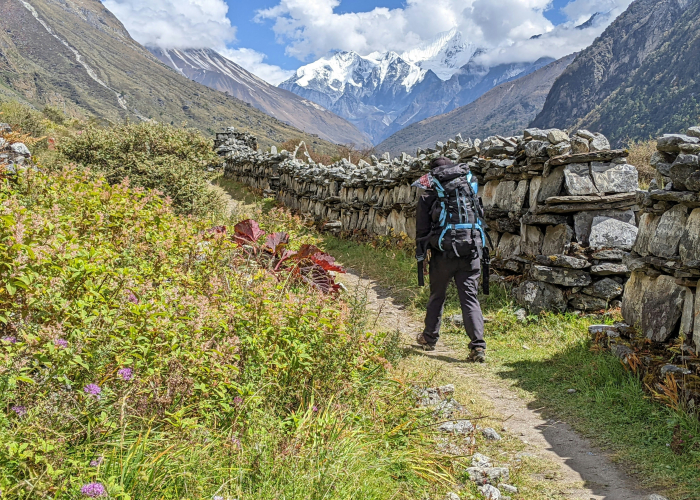
Long-distance walks are more than physical journeys—they’re immersive adventures that blend endurance, discovery, and connection with nature. From rugged mountain ranges to coastal trails, these treks offer some of the most spectacular landscapes on Earth. Whether it’s the Appalachian Trail in the USA, Camino de Santiago in Spain, Overland Track in Tasmania, or Tour du Mont Blanc in Europe, each walk tells a unique story of terrain, culture, and personal challenge. Iconic Long-Distance Walks, Tour & Trek.
For global travelers and outdoor enthusiasts, long-distance trekking provides a rare opportunity to slow down and experience destinations at their natural pace—step by step.
Best Time to Visit
The ideal season varies with each trail’s geography and climate:
- Europe (Camino de Santiago, Tour du Mont Blanc): Late spring to early autumn (May–September) offers clear skies and accessible mountain passes.
- Australia & New Zealand (Overland Track, Te Araroa): November to April brings mild weather and longer daylight hours.
- North America (Appalachian Trail, Pacific Crest Trail): April to October is ideal for most sections; southern areas can be hot in midsummer.
- Asia (Annapurna Circuit, Japan’s Nakasendo Trail): March–May and September–November are best for pleasant temperatures and visibility.
Always research local conditions, as weather and trail access can change quickly.
How to Reach
Reaching iconic walking destinations depends on location:
- Europe: Well-connected by train and regional airports. Trails often begin near major cities like Geneva (for Mont Blanc) or Paris (for Camino access).
- Australia: Domestic flights or road trips from Hobart, Launceston, or Melbourne reach famous tracks like the Overland or Great Ocean Walk.
- USA: Use major transport hubs—Atlanta for the Appalachian Trail or San Diego for the Pacific Crest Trail.
- Asia: Kathmandu (Nepal), Tokyo (Japan), and Leh (India) are key gateways to high-altitude or cultural walks.
Public transport or shuttle services often link towns, airports, and trailheads.
Entry Fees and Permits
Most long-distance walks require minimal fees but may need trail permits or park passes:
- Appalachian Trail (USA): No fee for most of the trail; camping in national parks requires permits (approx. USD 10–20).
- Camino de Santiago (Spain): Free to walk, but accommodation donations apply.
- Overland Track (Australia): Booking and permit fee around AUD 200–300 (subject to change).
- Tour du Mont Blanc (France/Italy/Switzerland): No entry fee, but huts and camping areas may charge small nightly fees.
Always check updated regulations before traveling, as policies may differ across borders and seasons. Iconic Long-Distance Walks, Tour & Trek.
Food Availability and Meal Options
- Europe: Mountain huts and hostels offer hearty local meals—soups, bread, pasta, and regional dishes.
- Australia: Carry your own supplies for remote sections; towns at trailheads provide basic groceries.
- USA: Hikers often resupply at towns every 4–7 days, mailing food boxes to post offices along the route.
- Asia: Tea houses or village guesthouses serve simple meals—rice, noodles, vegetables, and tea.
Pack lightweight, high-energy foods like nuts, protein bars, and instant meals for stretches without facilities.
Packing List and Essentials
Clothing:
- Quick-dry shirts, lightweight pants, and thermal layers
- Waterproof jacket and sturdy hiking boots
- Hat, gloves, and sunglasses for sun and wind protection
Gear:
- Backpack (40–60 L for multi-day treks)
- Sleeping bag (appropriate for the climate)
- Trekking poles for stability
- Refillable water bottle or hydration pack
- Headlamp, spare batteries, and first aid kit
Navigation & Safety:
- Trail map or GPS device
- Compass and whistle
- Portable charger or power bank
- Personal ID, travel insurance papers, and permits
Safety Tips and Local Regulations
- Plan your route carefully: Know daily distances, water points, and campsites.
- Acclimatize to altitude: High-altitude trails like those in the Himalayas require gradual ascent.
- Wildlife awareness: Store food securely and avoid approaching animals. Iconic Long-Distance Walks, Tour & Trek.
- Stay hydrated: Drink regularly and treat all water before consumption.
- Follow local rules: Respect signage, fire restrictions, and designated campsites.
- Emergency readiness: Carry a satellite phone or emergency beacon on remote routes.
Tips for Beginners or First-Time Trekkers
- Start with shorter sections of famous trails before committing to a full route.
- Train beforehand: Build stamina through regular hikes and backpacking practice.
- Break in your boots well before departure to prevent blisters.
- Keep a steady pace—consistency matters more than speed.
- Rest properly: Sleep and nutrition play key roles in endurance.
- Join a group or guided trek if you’re new to backcountry navigation.
Local Customs and Cultural Etiquette
- Europe: Greet fellow walkers with a friendly “Bonjour” or “Hola” on shared trails. Respect quiet hours in huts and avoid loud conversation at night.
- Asia: Remove shoes before entering homes or temples; dress modestly in rural villages.
- Australia and New Zealand: Acknowledge traditional landowners and follow cultural site protections.
- USA: Leave no trace—pack out all waste and avoid altering trail markers.
Understanding and respecting local customs enhances cultural connection and ensures responsible travel.
Iconic Long-Distance Walks Around the World
1. Camino de Santiago, Spain
- Length: 780 km (traditional route)
- Duration: 30–35 days
- Highlights: Medieval towns, vineyards, and centuries-old pilgrimage traditions.
2. Overland Track, Tasmania (Australia)
- Length: 65 km
- Duration: 6 days
- Highlights: Cradle Mountain vistas, alpine lakes, and rich Tasmanian wilderness.
3. Appalachian Trail, USA
- Length: 3,500 km (Georgia to Maine)
- Duration: 5–7 months (through-hike)
- Highlights: Forested mountains, wildlife, and small Appalachian towns.
4. Tour du Mont Blanc, Europe
- Length: 170 km
- Duration: 10–12 days
- Highlights: Panoramic alpine views through France, Italy, and Switzerland.
5. Annapurna Circuit, Nepal
- Length: 160–230 km (variable routes)
- Duration: 12–18 days
- Highlights: Himalayan peaks, Buddhist monasteries, and high-altitude passes.
6. Te Araroa Trail, New Zealand
- Length: 3,000 km (North to South Island)
- Duration: 3–5 months
- Highlights: Beaches, volcanoes, and remote forests across both islands.
Packing & Preparation Tips
- Footwear: Prioritize comfort and waterproofing.
- Nutrition: Plan calorie-dense meals for endurance.
- Gear Weight: Keep your backpack under 15 kg for long treks.
- Navigation: Download offline maps; batteries drain faster at altitude.
- Permits: Obtain all necessary passes before departure to avoid fines.
- Rest Days: Schedule recovery stops every 5–7 days to prevent fatigue.
Frequently Asked Questions (FAQs)
1. What defines a long-distance walk?
A trek typically exceeding 50 km, often completed over multiple days or weeks.
2. Do I need to be highly fit?
Moderate fitness helps; consistent training and endurance preparation are key.
3. Can beginners try long-distance walks?
Yes, start with shorter routes like the West Highland Way (Scotland) or Great Ocean Walk (Australia).
4. Are restrooms available on these trails?
Yes, in developed regions; remote sections may require portable hygiene kits.
5. What’s the average daily walking distance?
Typically 15–25 km per day, depending on terrain and weather.
6. Is camping mandatory?
Not always—many trails offer huts, hostels, or village lodgings.
7. Are permits required for every trail?
Only for national parks or protected areas; check regulations before starting.
8. What about altitude sickness?
It can occur above 2,500 meters—acclimatize gradually and descend if symptoms appear.
9. How can I stay safe from wildlife?
Follow food storage guidelines and keep a respectful distance from animals.
10. What’s the best long-distance walk for first-timers?
The Camino de Santiago and Overland Track are both beginner-friendly yet deeply rewarding.
Final Thoughts
Iconic long-distance walks connect people, landscapes, and stories across continents. Whether you’re crossing alpine passes, coastal cliffs, or ancient pilgrimage paths, every trail teaches endurance, mindfulness, and respect for nature. With thoughtful preparation, the right gear, and an open heart, these treks can be some of the most transformative experiences of your life—reminding us that the journey itself is the destination.





Leave a Reply