Overview
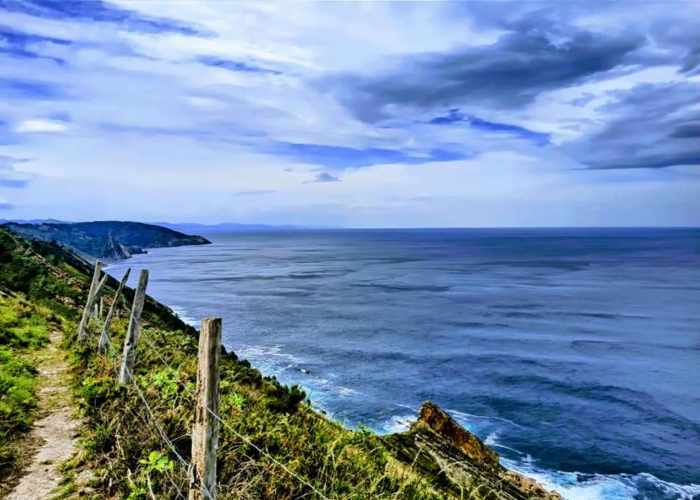
The Great Ocean Walk is a spectacular 104 km coastal trekking trail along Victoria’s south-west coastline, from Apollo Bay to the iconic Twelve Apostles. Famous for its rugged cliffs, pristine beaches, forests, and wildlife, it offers hikers a chance to experience the dramatic beauty of the Great Ocean Road region. Great Ocean Walk, VIC coastline (104 km), Tour & Trek.
The trail passes through national parks, including Port Campbell National Park, Great Otway National Park, and several Aboriginal cultural heritage sites. Along the route, hikers encounter koalas, kangaroos, wallabies, and a rich variety of birdlife, while enjoying views of rocky cliffs, waterfalls, and expansive ocean panoramas.
Best Time to Visit
- Spring (September–November): Mild temperatures, wildflowers in bloom, ideal for hiking.
- Summer (December–February): Warm weather, long daylight hours, perfect for multi-day treks.
- Autumn (March–May): Cooler temperatures, fewer crowds, and beautiful foliage.
- Winter (June–August): Cooler, wetter conditions; suitable for experienced hikers with proper gear.
How to Reach
By Air:
- Fly into Melbourne Airport; Apollo Bay is approximately 3 hours by car.
By Road:
- Accessible via the Great Ocean Road (B100), with parking and trail access at Apollo Bay, Lorne, and Twelve Apostles.
By Public Transport:
- Limited train and bus services; car hire is recommended for flexibility along the trail.
Entry Fees and Permits
- National Park entry fees: Approx AUD 10–15 per vehicle per day (subject to change).
- Camping permits required for overnight stays at designated campgrounds along the trail.
- No additional permits are required for day hikes on marked sections.
Food Availability and Meal Options
- Limited shops along the trail; hikers must carry their own meals for most sections.
- Recommended: lightweight, high-energy foods like dehydrated meals, energy bars, nuts, and dried fruits.
- Some sections near towns like Apollo Bay, Johanna, and Princetown provide opportunities to resupply.
- Water is scarce; carry enough water or purification systems for natural sources. Great Ocean Walk, VIC coastline (104 km), Tour & Trek.
Packing List and Essentials
Clothing & Footwear:
- Sturdy hiking boots or shoes with good grip
- Lightweight layers for varying temperatures
- Waterproof jacket for rain and wind
- Hat, sunglasses, and sunscreen
Hiking Gear:
- Backpack with hydration system
- Trekking poles for uneven terrain
- Trail map, compass, or GPS
- Tent, sleeping bag, and camping mat for overnight sections
Safety & Personal Items:
- First aid kit and insect repellent
- Headlamp or flashlight with extra batteries
- Mobile phone or emergency communication device
- Emergency blanket and whistle
Safety Tips and Local Regulations
- Stay on marked trails to protect fragile coastal ecosystems.
- Be cautious of slippery rocks and uneven surfaces along cliffs and beaches.
- Do not feed or disturb wildlife; maintain safe distances.
- Observe fire restrictions; use camping stoves in designated areas.
- Leave no trace: carry out all rubbish and avoid damaging vegetation.
- Check weather and tidal conditions, especially near beaches and cliff edges.
Tips for Beginners or First-Time Visitors
- Break the trail into short sections, allowing 3–5 days to complete the entire route.
- Start with day hikes in easier sections, such as Apollo Bay to Johanna Beach.
- Carry a lightweight backpack to avoid fatigue.
- Hike with a companion or group for safety and support.
- Plan water, food, and overnight stops in advance.
Local Customs and Cultural Etiquette
- The trail passes through Aboriginal heritage sites; respect cultural areas and rock art.
- Avoid removing plants, rocks, or historical artifacts. Great Ocean Walk, VIC coastline (104 km), Tour & Trek.
- Keep noise levels low to respect wildlife and other hikers.
- Follow all park signage and camping regulations.
Highlights and Sections of the Trail
1. Apollo Bay to Johanna Beach
- Distance: 20 km
- Duration: 1–2 days
- Difficulty: Moderate
- Highlights: Rainforest, waterfalls, coastal views
2. Johanna Beach to Princetown
- Distance: 25 km
- Duration: 1–2 days
- Difficulty: Moderate
- Highlights: Remote beaches, cliff-top walks, wildlife spotting
3. Princetown to Twelve Apostles
- Distance: 25 km
- Duration: 1–2 days
- Difficulty: Moderate
- Highlights: Iconic rock formations, ocean vistas, great photography opportunities
4. Overnight Campgrounds
- Johanna, Blanket Bay, Princetown
- Facilities: Toilets, picnic tables, and basic shelters
Frequently Asked Questions (FAQs)
1. How long is the Great Ocean Walk?
- Total length is 104 km, typically completed in 5–7 days.
2. What is the difficulty level?
- Moderate; requires basic fitness and some multi-day trekking experience.
3. Are toilets available along the trail?
- Basic facilities exist at designated campgrounds and near town sections.
4. Can beginners attempt the full walk?
- Recommended to break it into sections; the full trek is better suited for prepared hikers.
5. Do I need a guide?
- Not required, but guides or organized groups can enhance safety and navigation.
6. What wildlife might I see?
- Koalas, kangaroos, wallabies, echidnas, seabirds, and occasionally whales offshore.
7. Is camping allowed?
- Yes, only at designated campgrounds with required permits.
8. Can I hike in winter?
- Yes, but be prepared for cooler, wetter conditions and shorter daylight hours.
9. How much water should I carry?
- At least 2–3 liters per person per day, plus purification supplies for natural sources.
10. Are dogs allowed?
- No, pets are prohibited within national park boundaries.
Final Thoughts
The Great Ocean Walk is a breathtaking journey along Victoria’s rugged coastline, offering dramatic scenery, abundant wildlife, and a unique connection to nature and cultural heritage. Proper preparation, adherence to park regulations, and respect for the environment ensure a safe, memorable, and rewarding trekking experience.






Leave a Reply